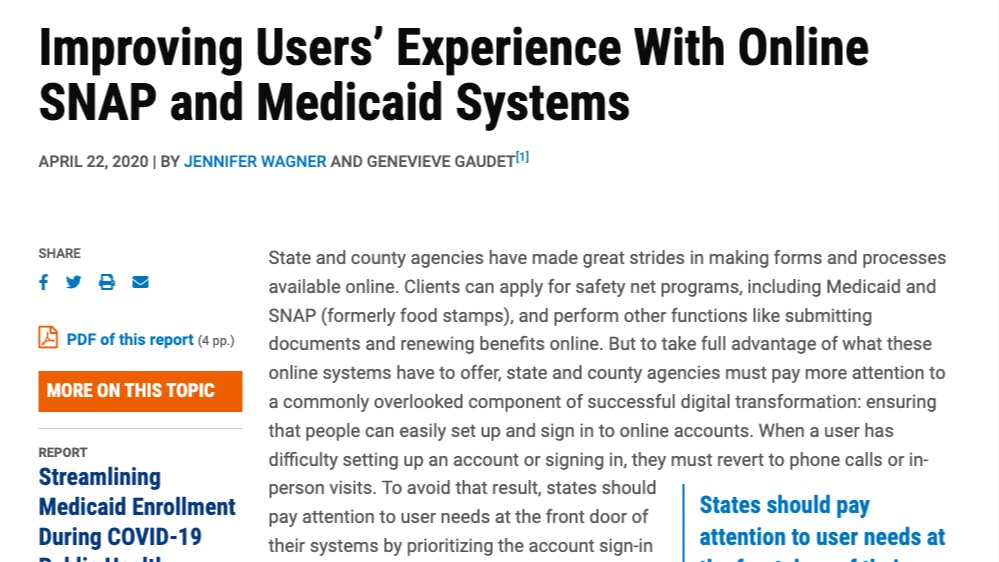
This presentation explores the balance between security and user experience in digital benefit account creation and authentication, highlighting insights from a forthcoming playbook focused on SNAP and Medicaid portals.
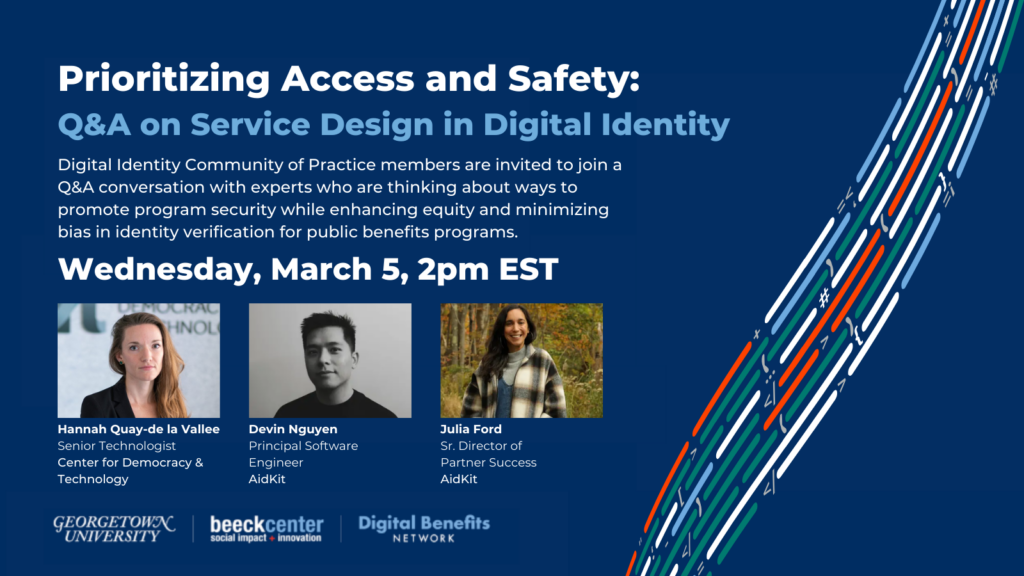
The Digital Benefit Network's Digital Identity Community of Practice held a session to hear considerations from civil rights technologists and human-centered design practitioners on ways to ensure program security while simultaneously promoting equity, enabling accessibility, and minimizing bias.
This report explores how state and local agencies can enhance customer service in health and human services by implementing technologies such as web-based tools, mobile applications, and call center innovations, aiming to streamline processes and improve client interactions.
The report examines how current remote identity proofing methods can create barriers to Medicaid enrollment and suggests improvements to ensure equitable access for all applicants.
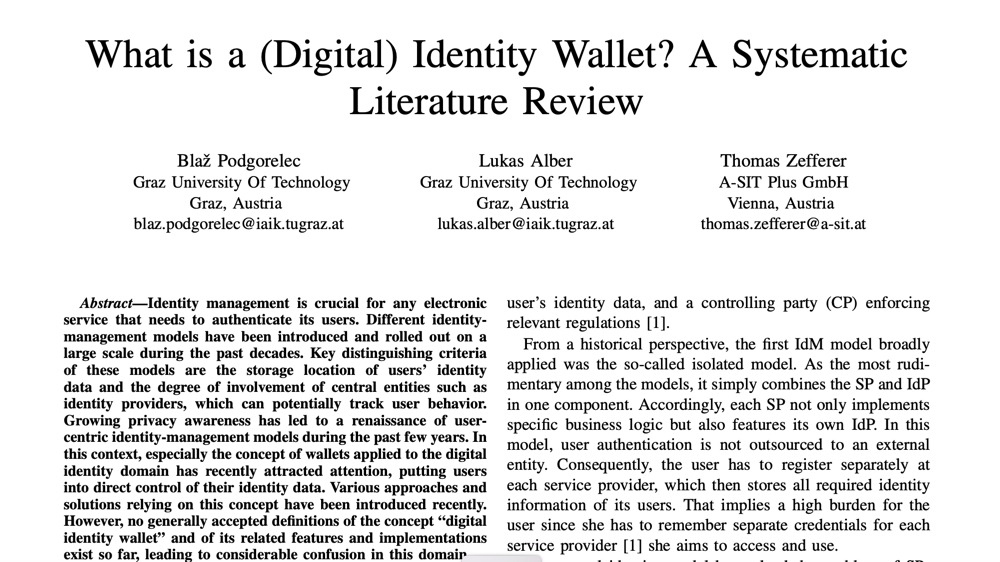
Annual Computers, Software, and Applications Conference (COMPSAC)
The US General Services Administration announces that it is seeking a limited number of state and local government partners to take advantage of login.gov to administer their federally funded programs.
This report provides specific actions the federal government could take to reduce identity fraud and establish a whole-of-government victim redress approach.
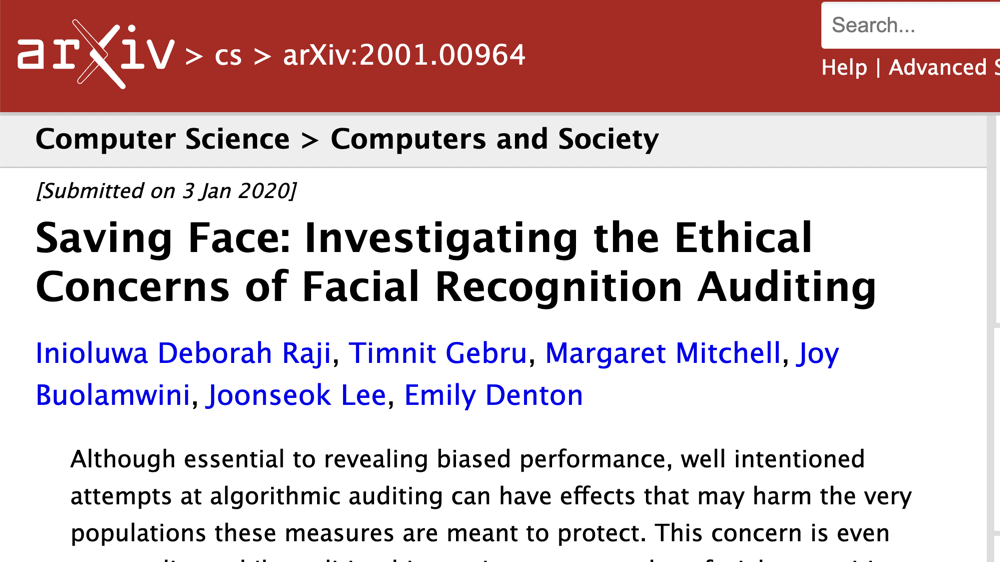
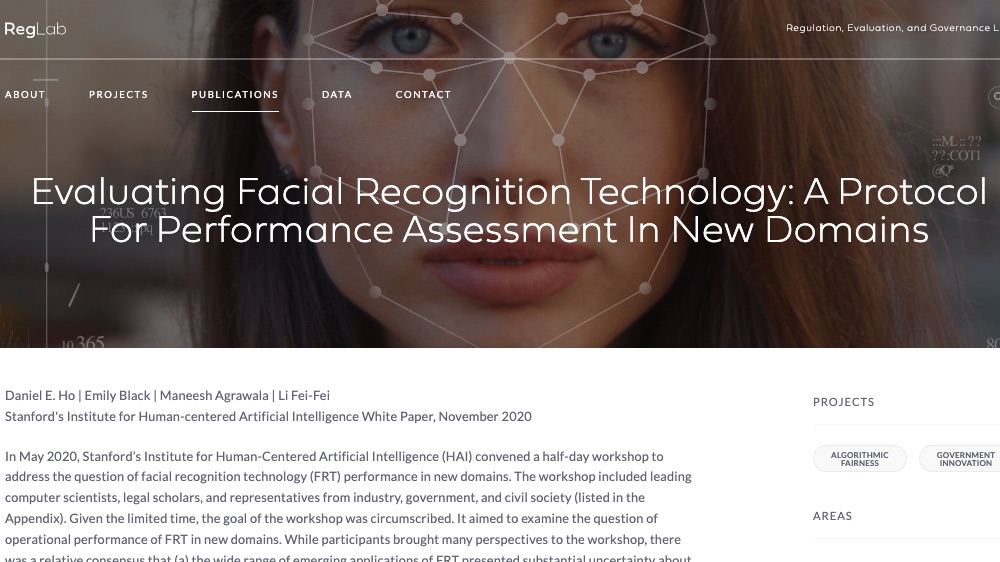
In May 2020, Stanford's HAI hosted a workshop to discuss the performance of facial recognition technologies that included leading computer scientists, legal scholars, and representatives from industry, government, and civil society. The white paper this workshop produced seeks to answer key questions in improving understandings of this rapidly changing space.
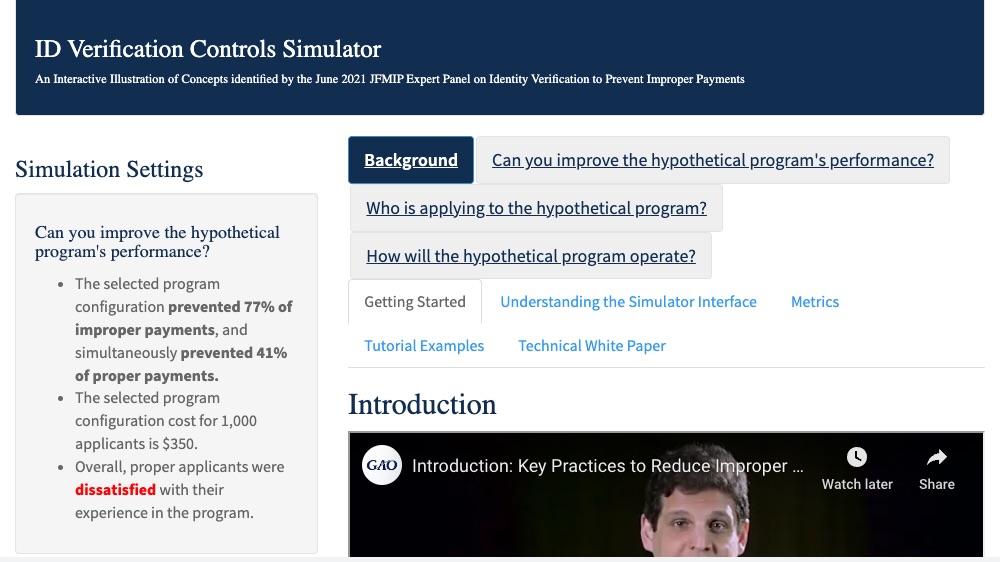
This simulator, created by the Joint Financial Management and Improvement Program (JFMIP), allows users to model program performance for a hypothetical government program, based on different identity verification decisions. The simulator illustrates concepts from the JFMIP report on payment integrity.
Joint Financial Management and Improvement Program (JFMIP)