The AI Insights publication series from the UK Government’s Government Digital Service (GDS) provides technical guidance to help public sector organisations understand, implement, and manage artificial intelligence systems safely and effectively.
This report documents the key lessons learned from the UK Universal Credit Programme between 2010 and 2025, reflecting on the program’s management, implementation, and development over its lifecycle.
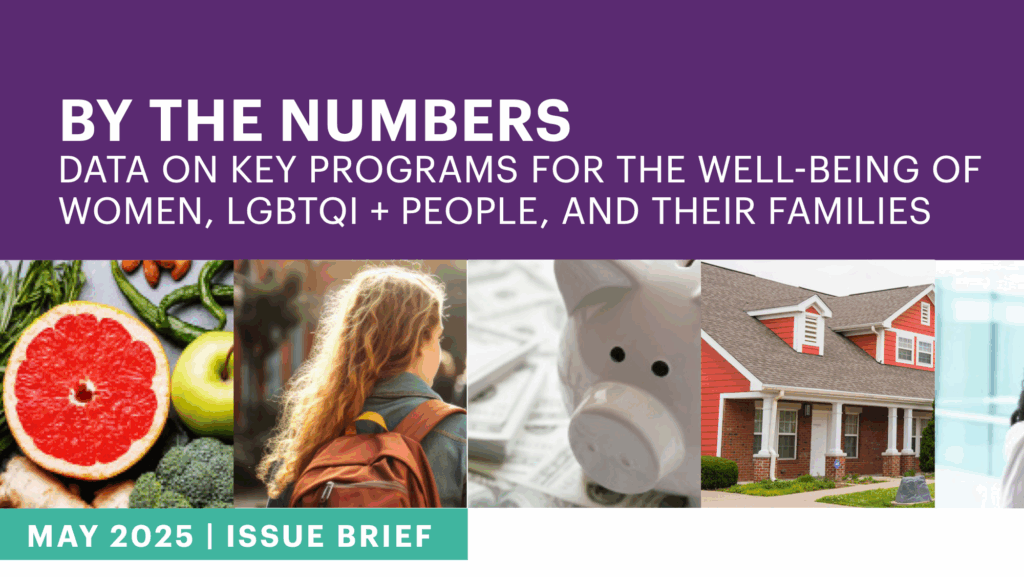
A data report providing updated statistics on key federal programs that support the well-being of women, LGBTQI+ individuals, and their families, highlighting trends, coverage gaps, and areas for policy improvement.
A practical how-to guide explaining how agencies can use a streamlined small-business contracting pathway to quickly procure digital services and pilot modern delivery approaches.
A research report examining how privacy and security risks are unevenly experienced across socioeconomic, racial, and ethnic groups, and how digital inequality shapes people’s exposure to harm and access to protective resources.
This article examines the matrix of vulnerabilities that low-income populations face from the widespread collection of big data and predictive analytics.
This article investigates how users' "metamemory"—specifically their anxiety regarding their own memory capabilities—drives insecure password behaviors.
A statewide report outlining the roadmap, governance framework, and implementation plan for responsible generative AI adoption across Washington State government.
This is a practical, plain-language screening tool designed to help SNAP clients determine if they qualify for exemptions from the program's work requirements.