These fact sheets provide detailed, state-specific data illustrating SNAP's role in reducing hunger and bolstering local economies across the United States
This report analyzes how proposed state cost-sharing requirements for SNAP would impact benefit access and poverty during a recession, projecting significant risks to low-income households if states are unable to maintain SNAP funding.
This case study details the development of a document extraction prototype to streamline benefits application processing through automated data capture and classification.
This report presents findings and recommendations from a user experience study based on interviews with 156 participants enrolled in Medicaid and SNAP.
This report outlines strategies states can adopt to improve access to SNAP, Medicaid, and WIC programs by leveraging policy options, data coordination, and streamlined service delivery.
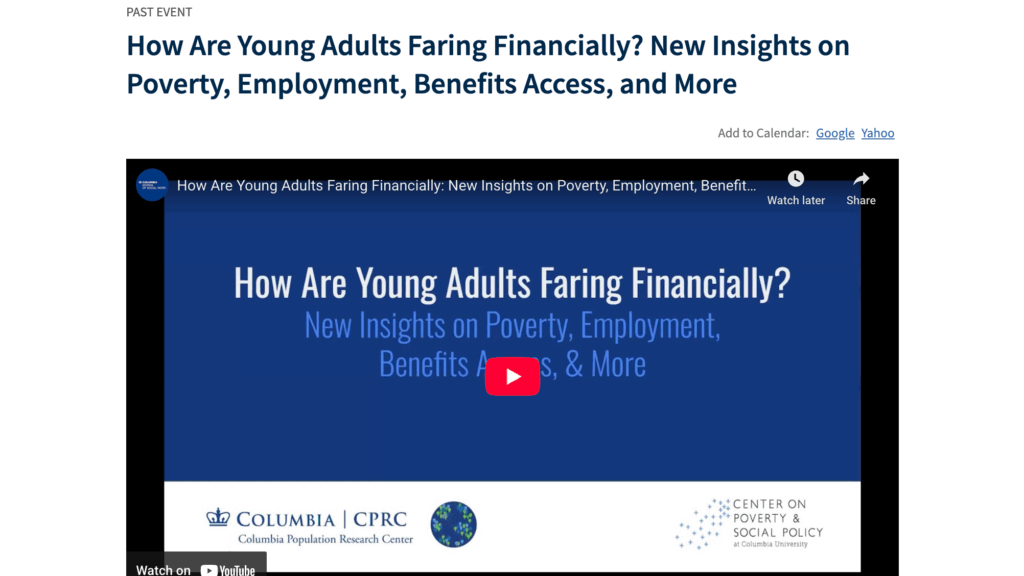
A webinar presenting fresh data on how young adults aged 22 are faring in terms of poverty, employment, education, living arrangements, and access to public benefits.
Led by the Digital Benefits Network in partnership with Public Policy Lab, the Digital Doorways research project amplifies the lived experiences of beneficiaries to provides new insights into people’s experiences with digital identity processes and technology in public benefits. This executive summary gives an overview of the project’s findings.
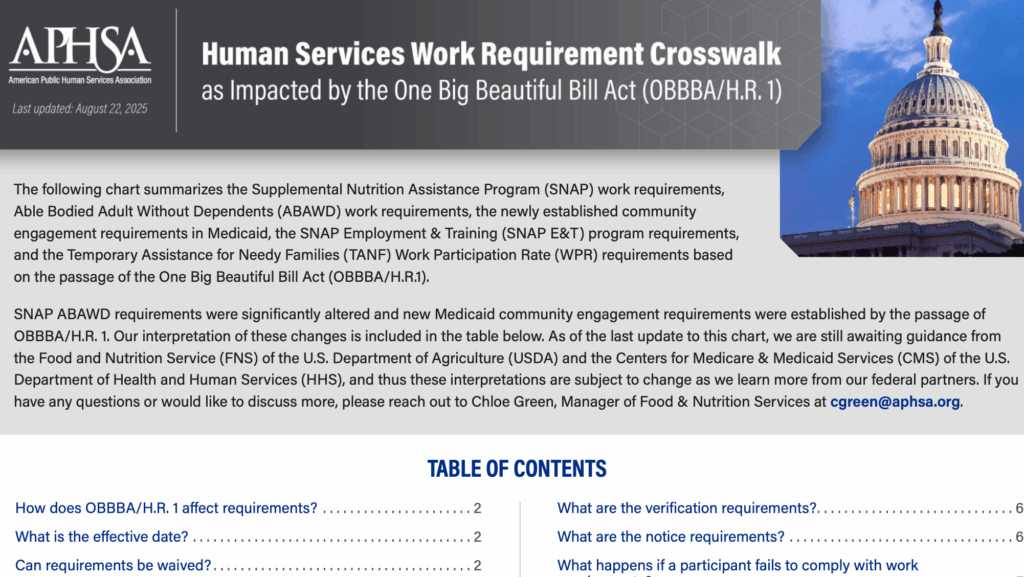
This crosswalk compares provisions in H.R. 1 with existing human services policies, focusing on how proposed federal work requirements could affect programs like TANF, SNAP, and Medicaid.
American Public Human Services Association (APHSA)
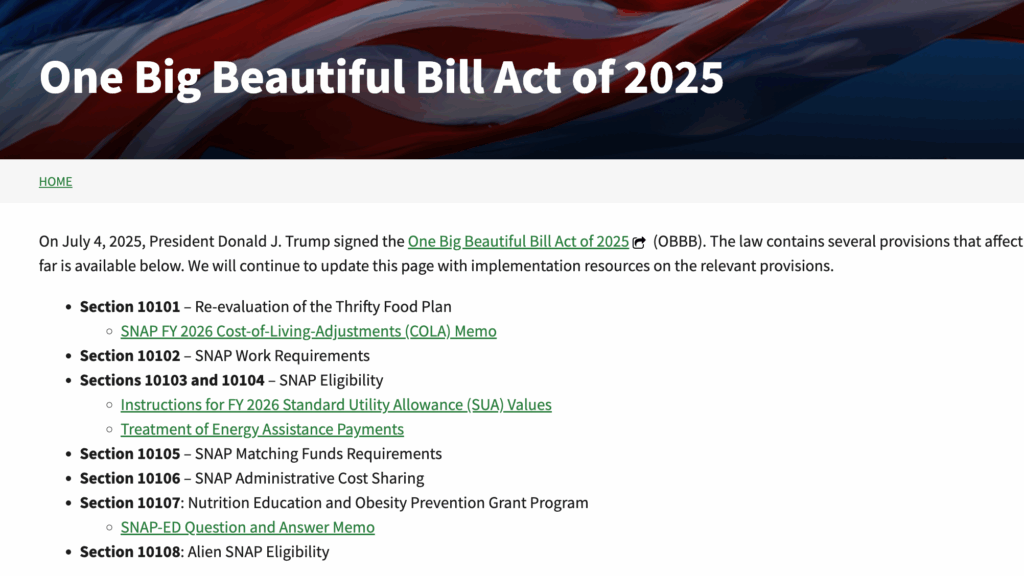
This webpage provides state agency resources and policy memos detailing how the One Big Beautiful Bill Act (H.R. 1) of 2025 affects SNAP implementation.
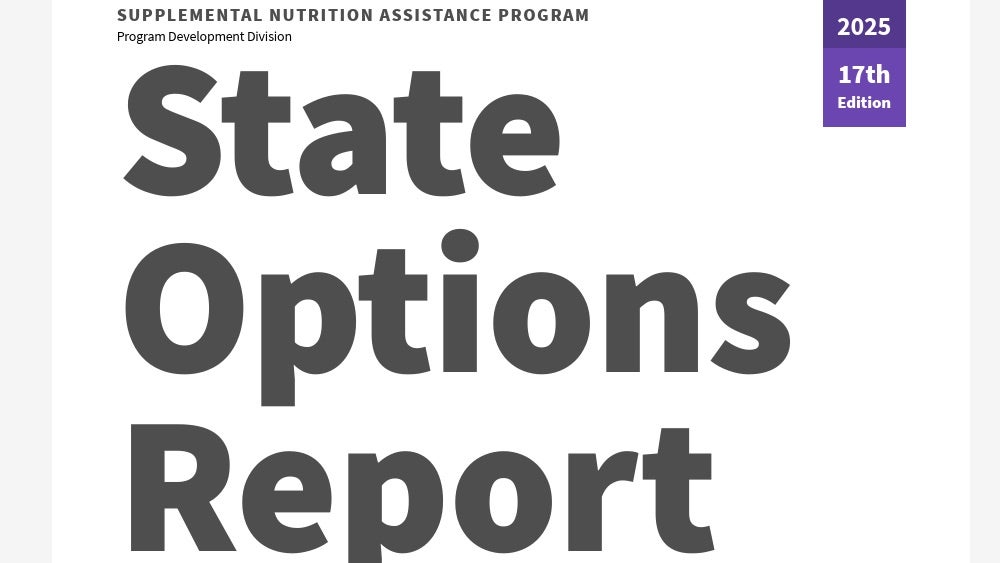
This report catalogs the policy choices, demonstration projects, and waivers each state uses to administer SNAP, highlighting how states adapt federal rules to local needs.