The article examines the effects of Arkansas’s Medicaid work requirements, finding substantial coverage losses and no significant increase in employment, compounded by widespread confusion among beneficiaries about the policy.
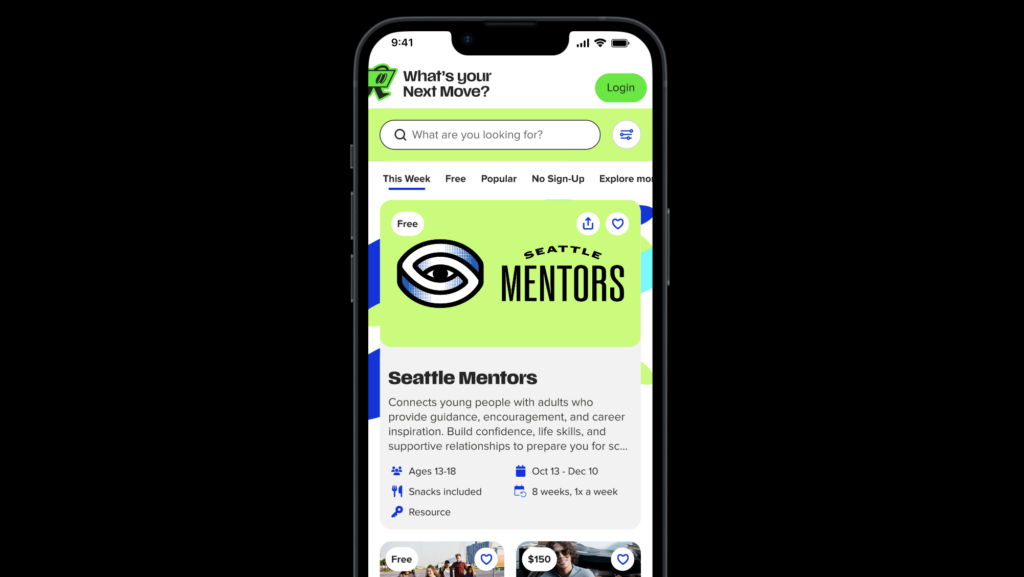
An interactive prototype that illustrates a user interface concept for the Seattle Next Move service, showcasing screen flows and interactions for mobile/web user journeys.
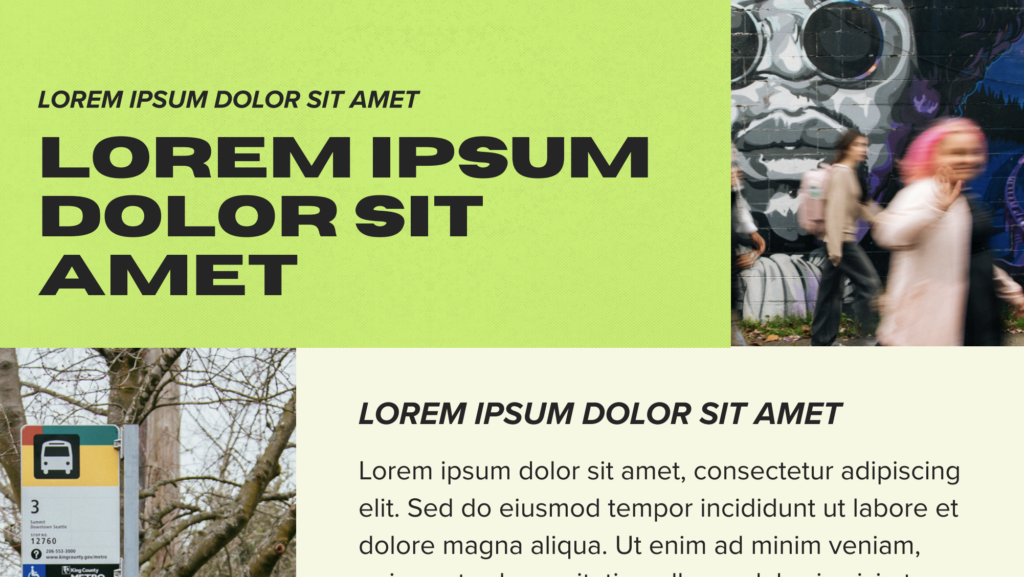
A reusable UI design template showcasing key interface patterns, components, and layout structures for the Seattle Next Move digital service to support consistent, user-centered design across screens.
A comprehensive report outlining a student-led strategy to improve access to mental health supports through prevention, early intervention, and treatment across schools and community partners.
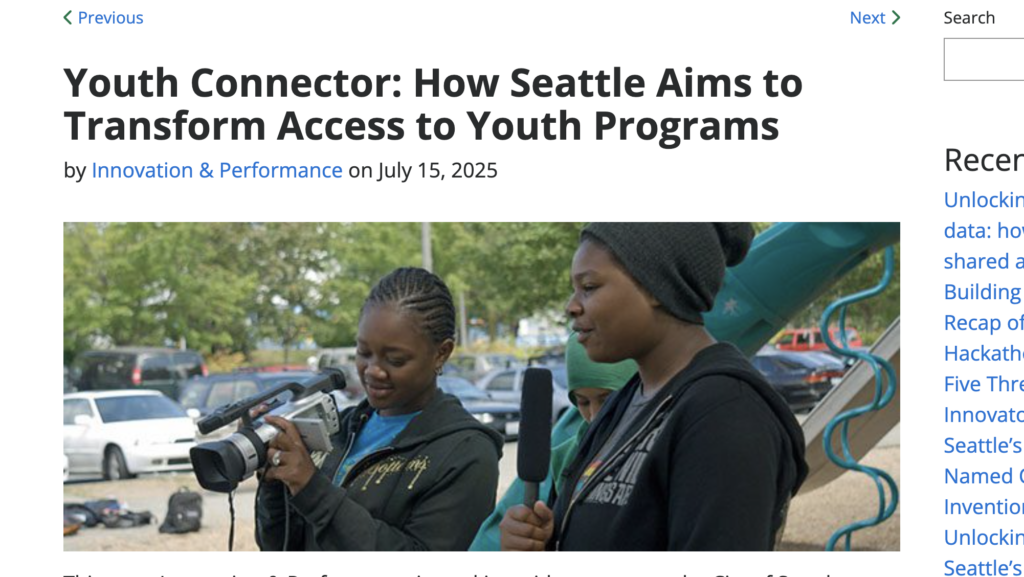
A blog post describing Seattle’s Youth Connector initiative, a city effort to make it easier for young people to discover, access, and connect with youth programs and supports that promote mental health, enrichment, and opportunity.
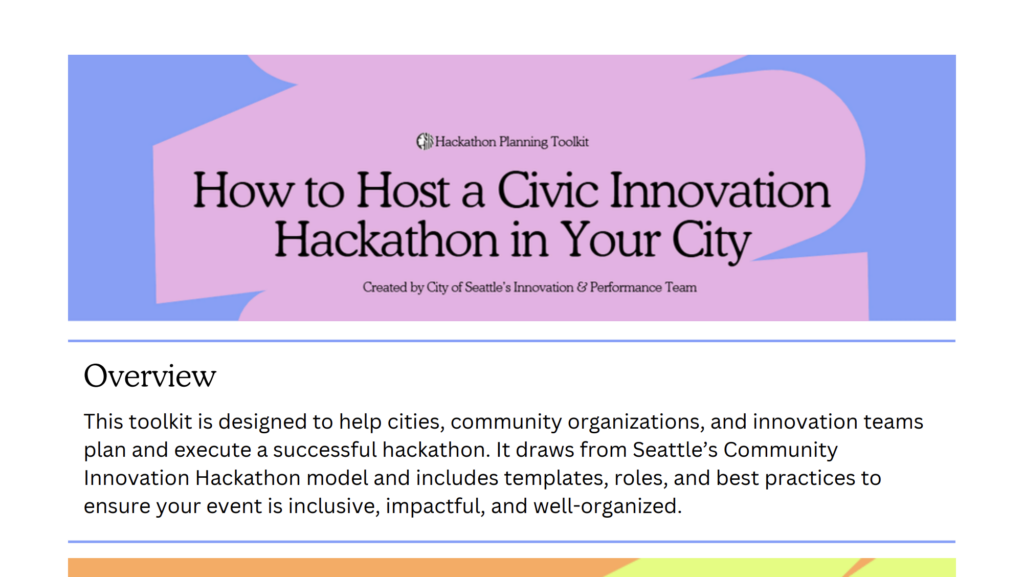
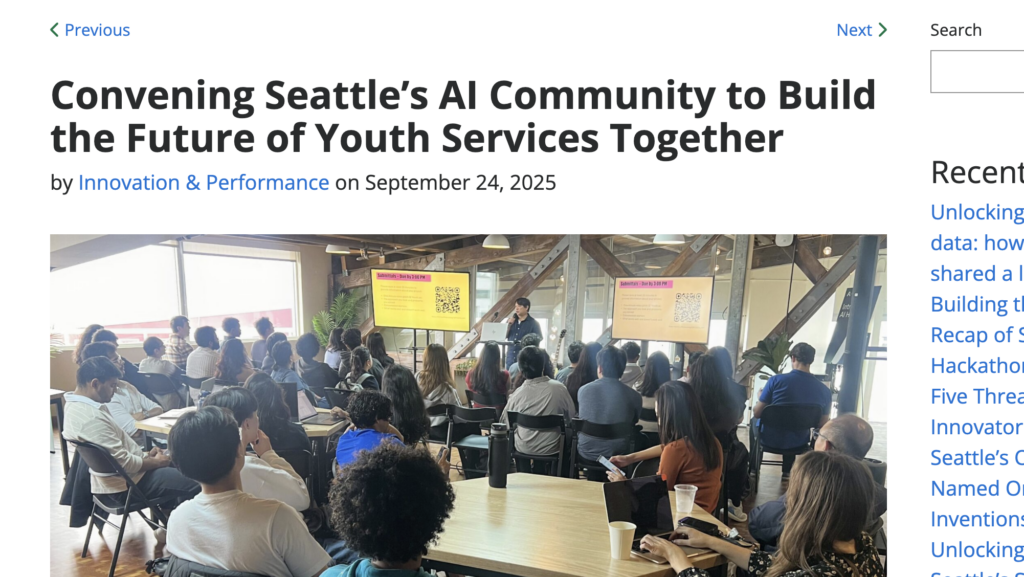
A recap of a community innovation hackathon in Seattle where technologists and students used AI to prototype solutions that help youth discover and access local programs and services.
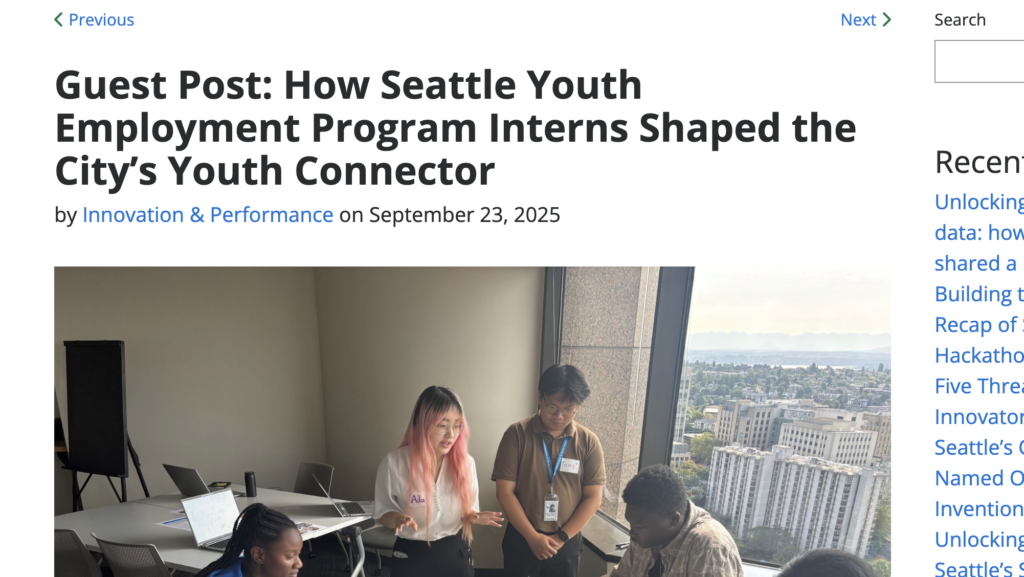
A blog post highlighting how youth employment interns contributed to shaping and co-designing the Youth Connector project by leading research, feedback sessions, and design testing to ensure the platform reflects youth needs.
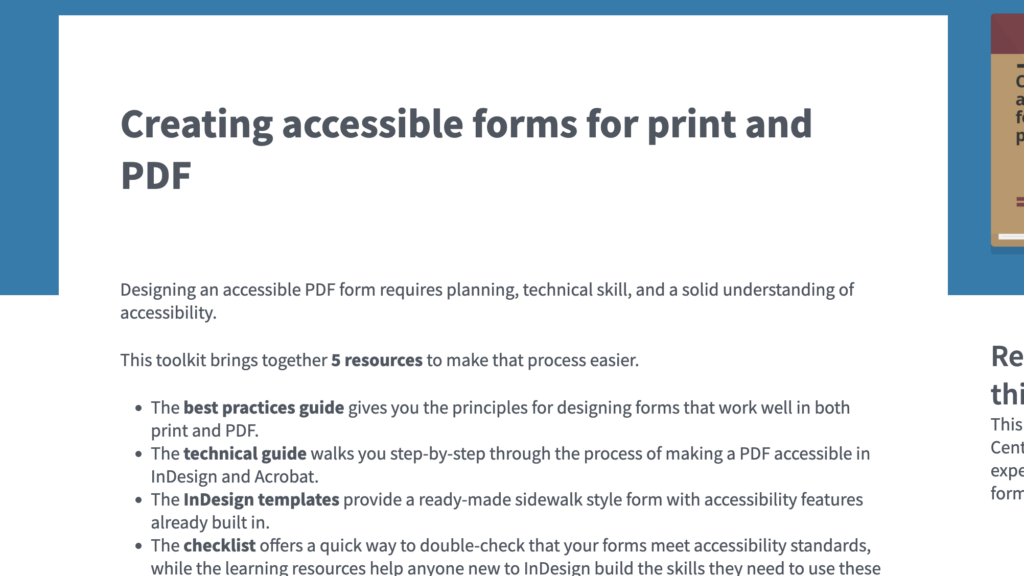
A practical toolkit that guides teams through designing and building accessible forms in print and PDF formats that are usable by people with disabilities and meet accessibility standards.
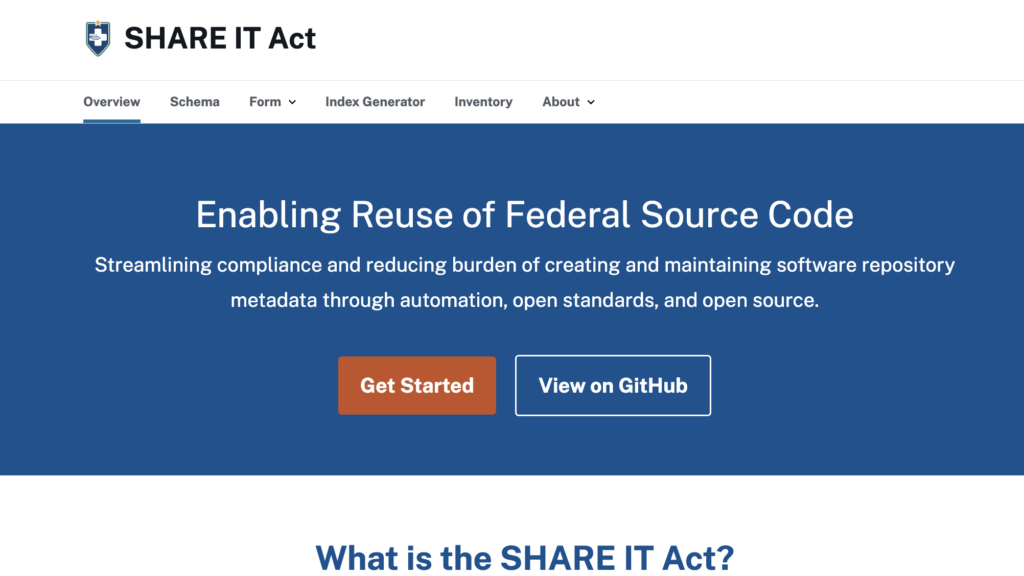
A public web guide designed to help federal agencies understand and implement the SHARE IT Act’s code-sharing requirements, with documentation, tools, and procedural resources for compliance.
U.S. Department of Health and Human Services (HHS)