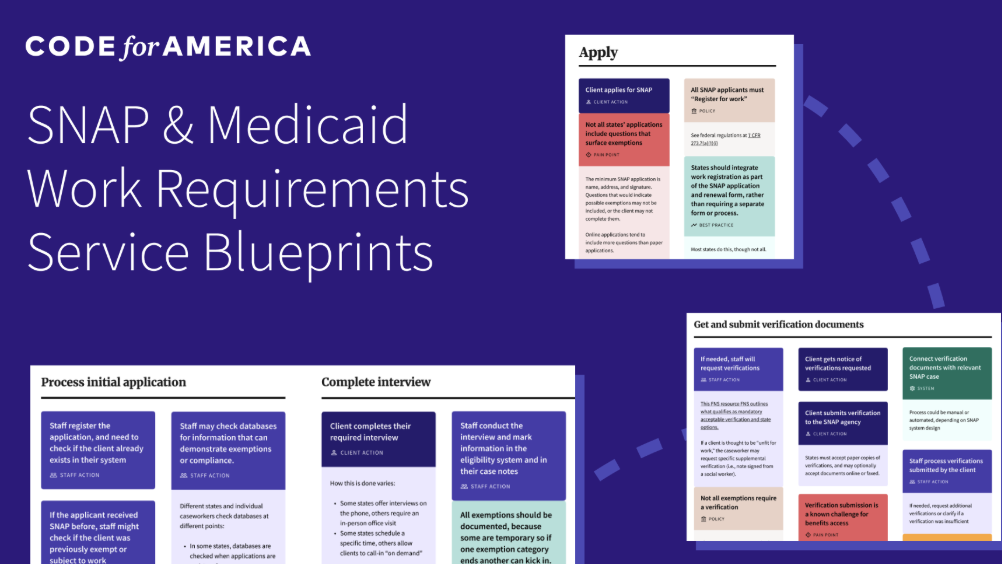
This file contains two, state-agnostic service blueprints that visualize how the new work requirements policy passed as part of H.R. 1 impacts the process of applying for, determining, and maintaining eligibility for SNAP and Medicaid benefits.
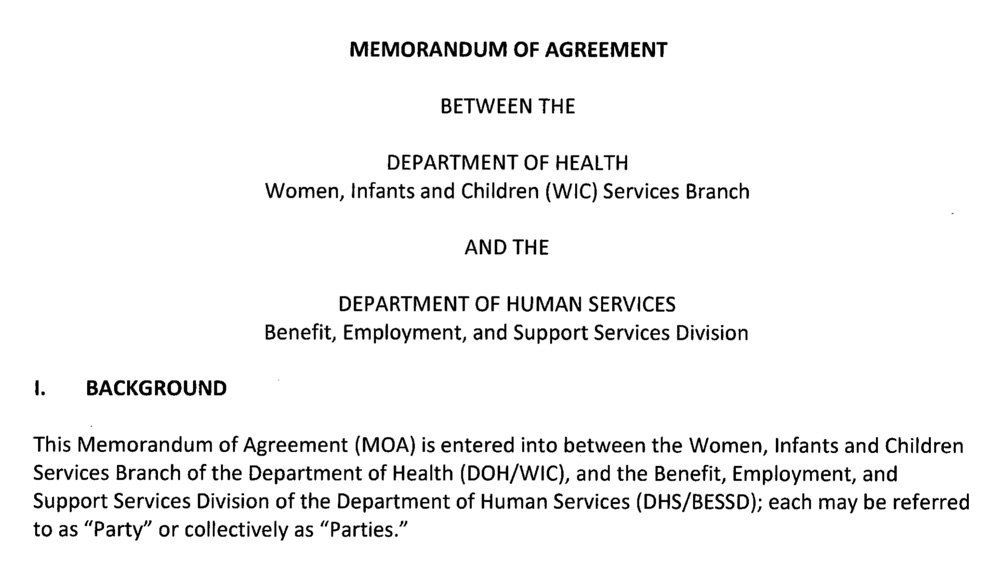
This MOA outlines Hawai'i's legal data sharing agreement between the Women, Infants and Children Services Branch of the Department of Health (DOH/WIC), and the Benefit, Employment and Support Services Division of the Department of Human Services (DHS/BESSD) to exchange SNAP and WIC data.
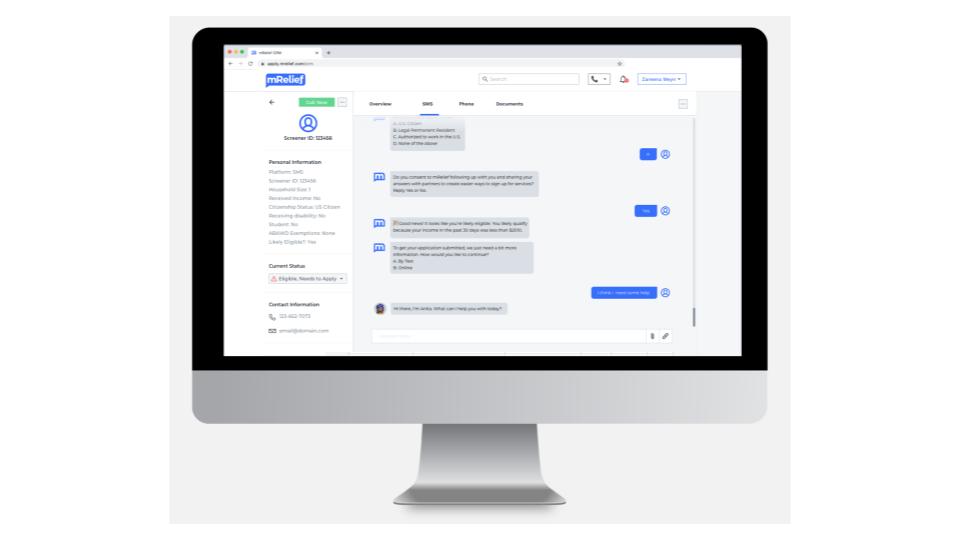
mRelief launches Johnnie, a platform that centers client dignity and enables client management from anywhere. Features include client communication mechanisms, assistance for document submission, keeping track of enrollment process, and tracking enrollment metrics.
The NYC Benefits Screening API provides machine-readable calculations and criteria for benefits screening that power the ACCESS NYC screening questionnaire.
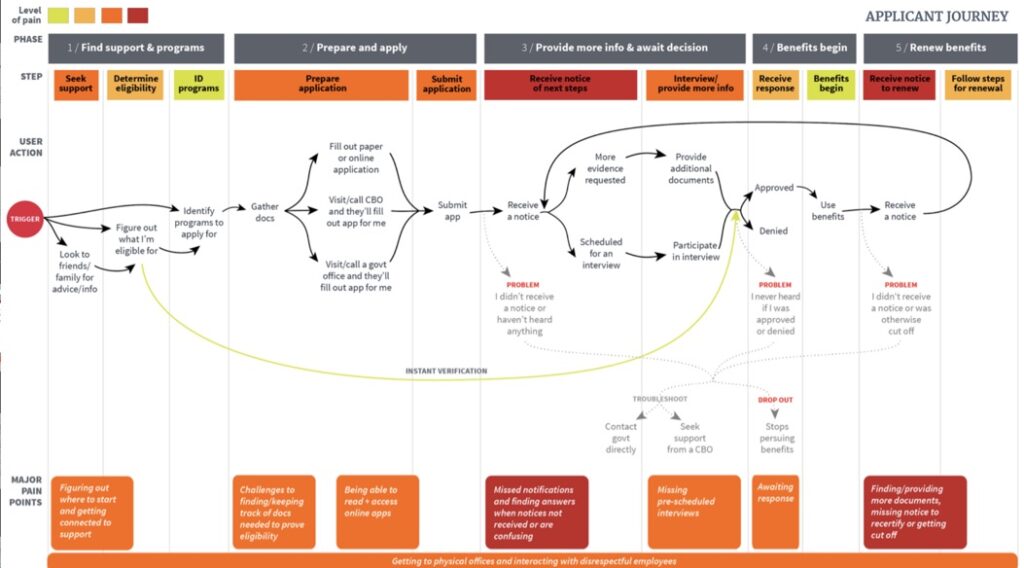
Applicants to federal aid programs face numerous barriers in accessing benefits they are eligible for. The Centers for Medicaid and Medicare conducted an extensive qualitative user research study to better understand applicant experience in enrolling in public assistance programs. Based on the results, the study emphasizes the need for simplified, streamlined and less burdensome application processes.
Oklahoma Human Services (OKDHS) modernized their service delivery by reducing their real estate footprint, designing trauma-informed and user-friendly spaces, and expanding an embedded worker program to improve accessibility and client experience. Through their "Service First" strategy, OKDHS aims to create more equitable and compassionate interactions, reaching vulnerable populations while addressing high occupancy costs.
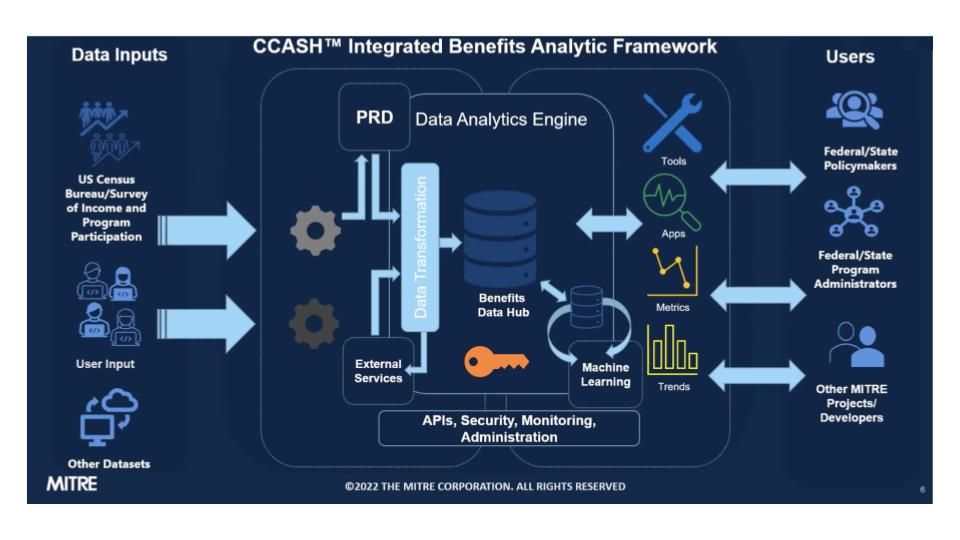
MITRE developed the Comprehensive Careers and Supports for Households (CCASH™) tool to help individuals understand and manage federal benefits and employment services, transitioning from a consumer-focused tool to a policy analytics system. By integrating data from sources like the U.S. Census and the Policy Rules Database, MITRE created a model that allows users to analyze and compare benefits eligibility across states, supporting evidence-based policymaking.
In this interview, Code for America staff members share how client success, data science, and qualitative research teams work together to consider the responsible deployment of artificial intelligence (AI) in responding to clients who seek assistance with three products.
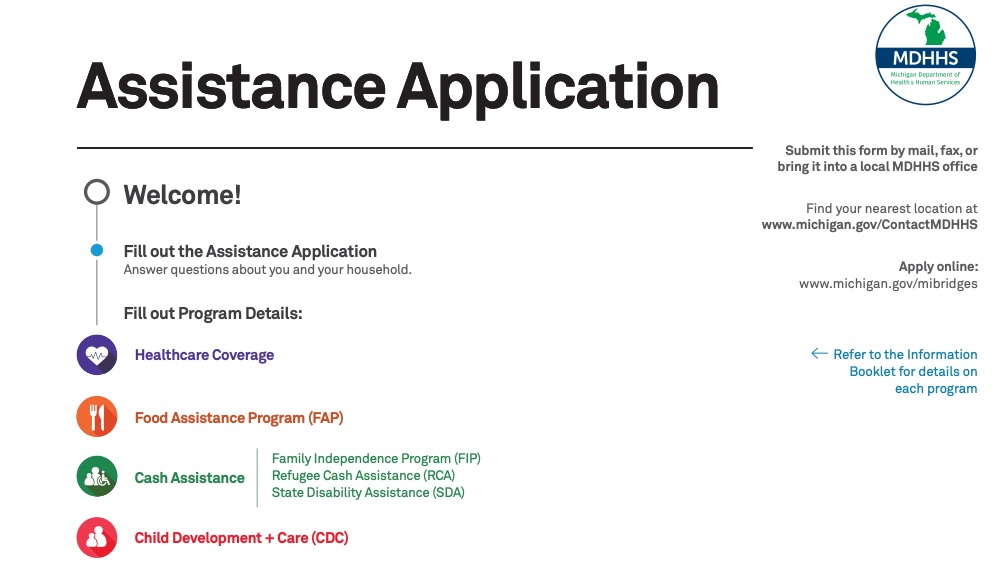
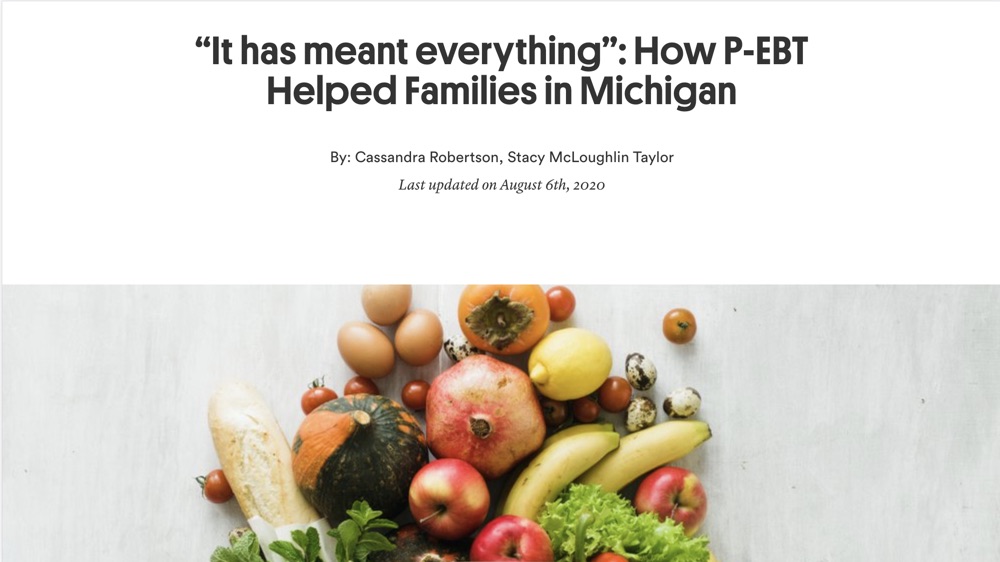
This report explores Michigan’s implementation of the Pandemic Electronic Benefit Transfer (P-EBT) program. Drawing on interviews from individuals within the Michigan Department of Health and Human Services and input from SNAP participants via surveys distributed using the Fresh EBT app, this report provides insights into the strategies that enabled Michigan to roll out an entirely new program quickly and effectively.