A practical toolkit that helps human services agencies coordinate programs and benefits to better support whole families through aligned policies, processes, and service delivery.
In December 2024, the Digital Benefits Network released an updated open dataset on authentication and identity proofing requirements across various public benefits applications to highlight best practices and areas for improvement in identity management.
CMS has identified a number of immediate and longer-term strategies that states can implement to improve application processing timeframes and address application backlogs.
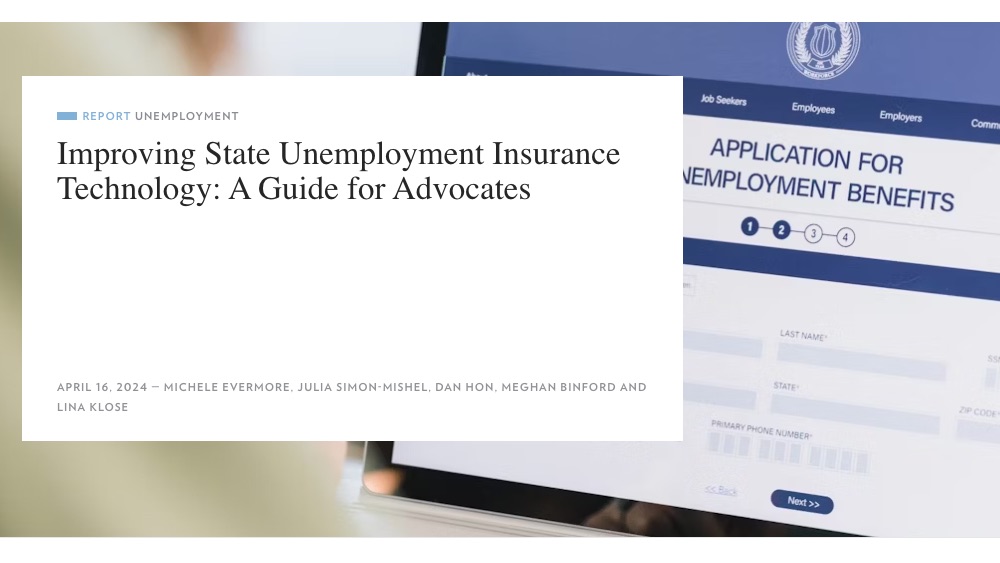
This guide is intended to provide everything else, with a focus on the basics of UI technology projects, guidance on standards for equitable uses of technology, and strategies for how to have a positive impact on these projects.
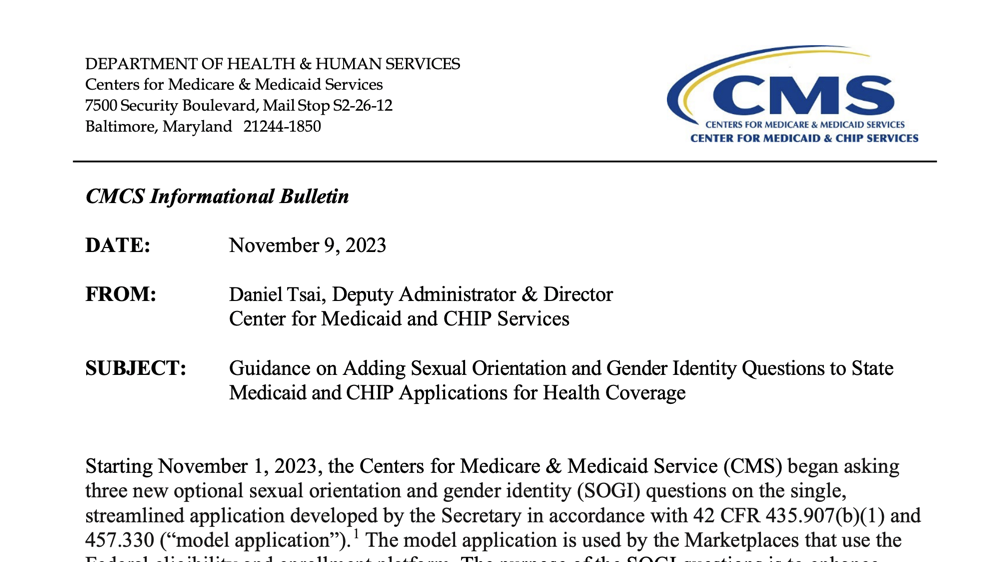
Starting November 1, 2023, the Centers for Medicare & Medicaid Service (CMS) began asking three new optional sexual orientation and gender identity (SOGI) questions on the single, streamlined application developed by the Secretary. This guidance gives instructs states on the process for modifying SOGI questions in their applications.
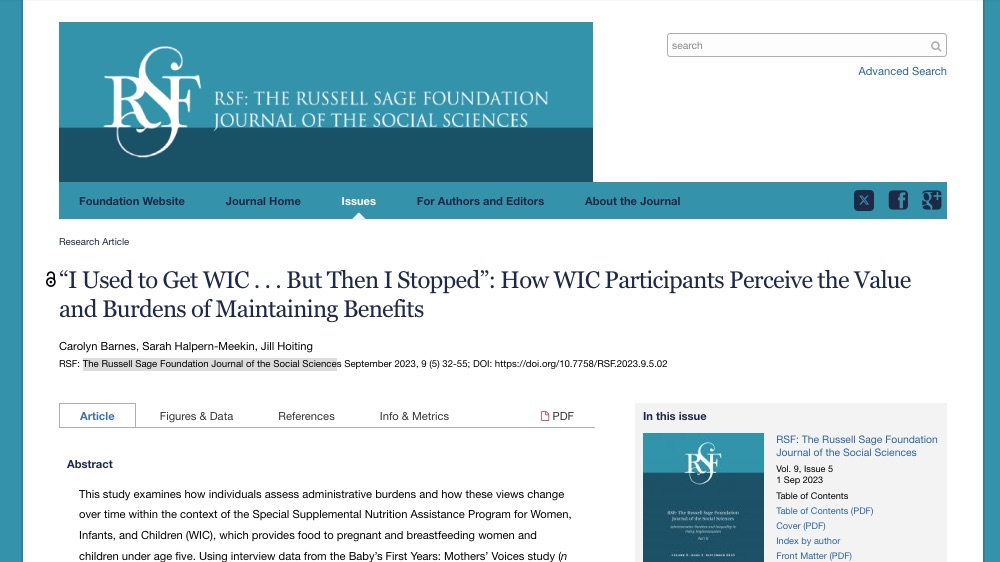
This study examines how individuals assess administrative burdens and how these views change over time within the context of the Special Supplemental Nutrition Assistance Program for Women, Infants, and Children (WIC).
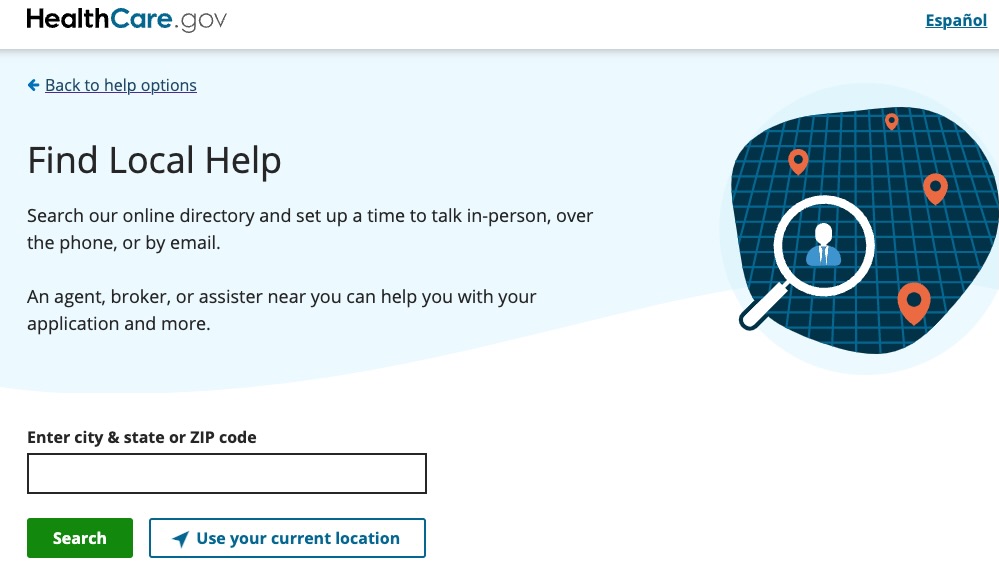
When people hit the moment in the HealthCare.gov sign-up process where they need in-person help, they’re likely frustrated and at risk of abandoning the process altogether. To help, Ad Hoc designers on the Centers for Medicare & Medicaid Services (CMS) Find Local Help team extensively researched user pain points and used human-centered design to create a tool that respects the stress users may experience and delivers the information they need as quickly and simply as possible.
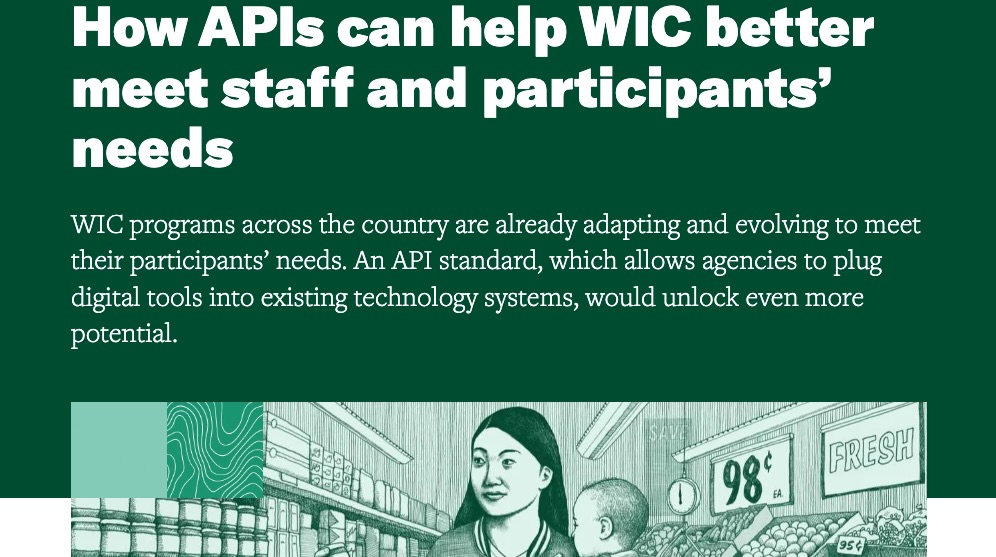
Implementing an API standard for WIC Management Information Systems (MIS) would enable seamless integration of digital tools, enhancing service delivery and accessibility for participants and staff.
This report explores how state and local agencies can enhance customer service in health and human services by implementing technologies such as web-based tools, mobile applications, and call center innovations, aiming to streamline processes and improve client interactions.
In response to the COVID-19 crisis, the federal government authorized a new emergency program, Pandemic EBT (P-EBT), to replace school meals with money for groceries while schools are closed. Code for America describes its efforts to launch an accessible, online P-EBT application under an accelerated timeline due to to immense demand caused by the pandemic.