This case study describes Nava's with the state of Montana’s Special Supplemental Nutrition Program for Women, Infants, and Children (WIC) agency to build an eligibility screener tool.
This article explores innovative strategies to improve access to public benefits by reducing administrative barriers and leveraging technology for a more user-friendly experience.
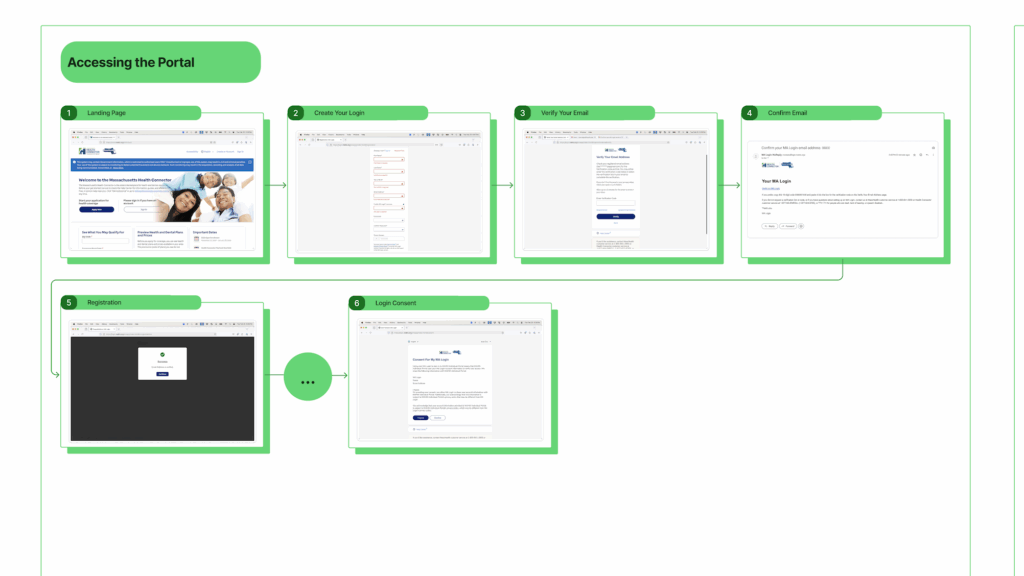
Created for use in the Digital Doorways research project, this design stimuli shows the steps of submitting an application, sharing personal information, and verifying identity for Massachusetts' online application for Medicaid.
This fact sheet outlines the key principles for designing an effective Child Tax Credit that reduces child poverty, supports working families, promotes racial and economic equity, and delivers long-term benefits for children and the economy.
This report examines the extent to which proposed options included in the Student Food Security Act, Let Students Eat proposal, and the EATS Act impact specific demographics of students, either by increasing access or by streamlining the process for qualifying students to demonstrate eligibility.
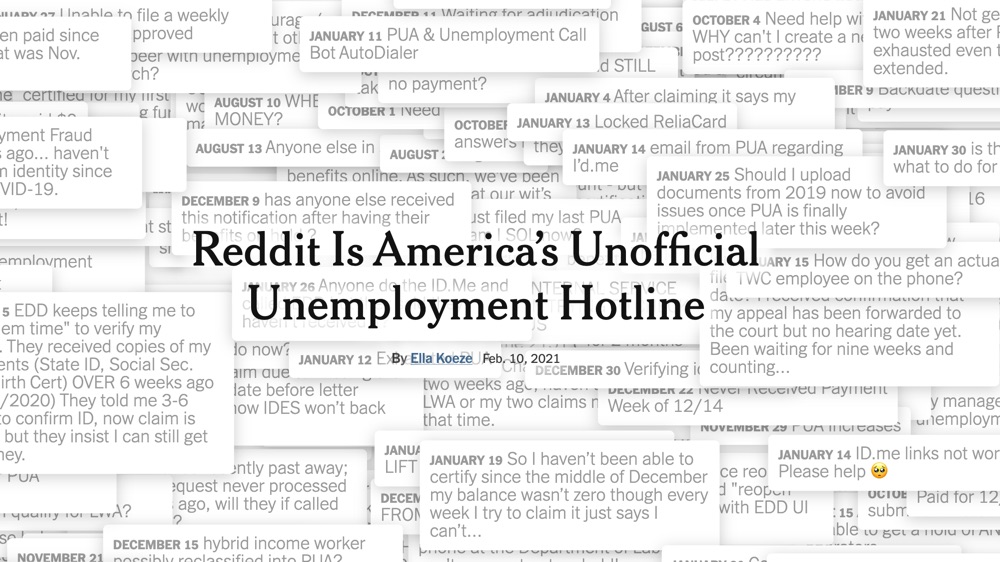
Reddit's unemployment forums have become vital support networks during the pandemic, offering advice, emotional support, and a sense of community to those navigating job loss and financial hardship.
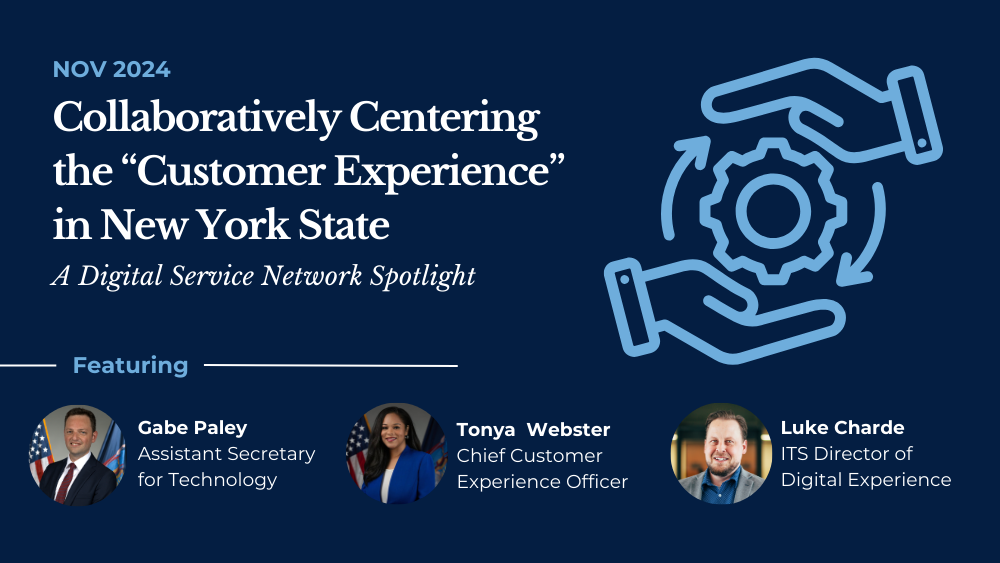
The Digital Service Network (DSN) spoke with three staff members from the New York State Executive Chamber—Gabe Paley, Tonya Webster, and, Luke Charde to learn more about the state's efforts to improve residents’ experiences accessing government programs.