The Urban Institute's report outlines actionable approaches for state governments and organizations to enhance the accessibility and retention of public benefit programs, focusing on service delivery, policy reforms, and technological advancements.
This resource outlines strategies for cross-enrollment outreach, which can break down silos between programs and reach applicants who may be eligible for under-enrolled benefits programs.
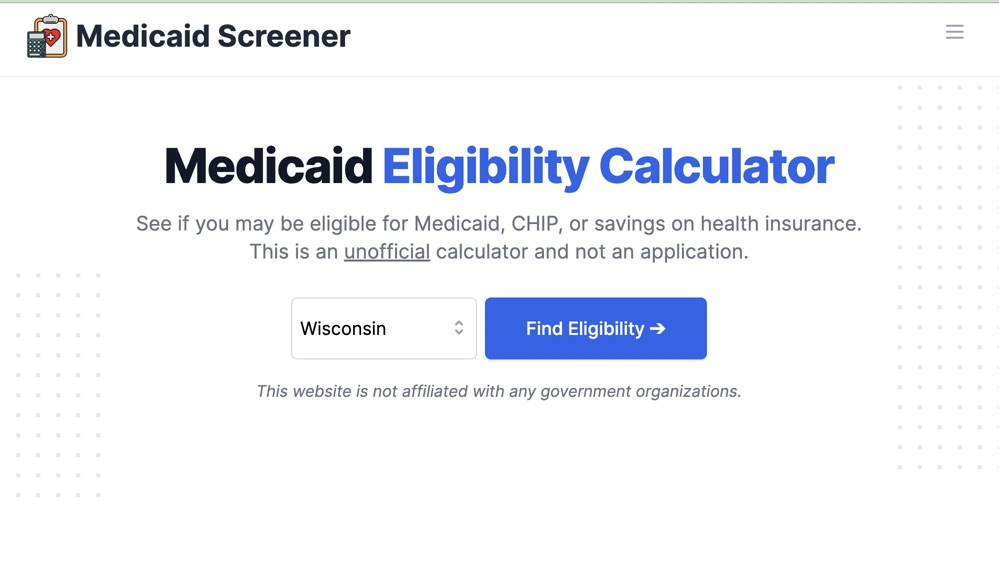
Unofficial calculator allowing users to see if they may be eligible for Medicaid, CHIP, or savings on health insurance. The calculator can be embedded on other websites.
The NYC Benefits Screening API provides machine-readable calculations and criteria for benefits screening that power the ACCESS NYC screening questionnaire.
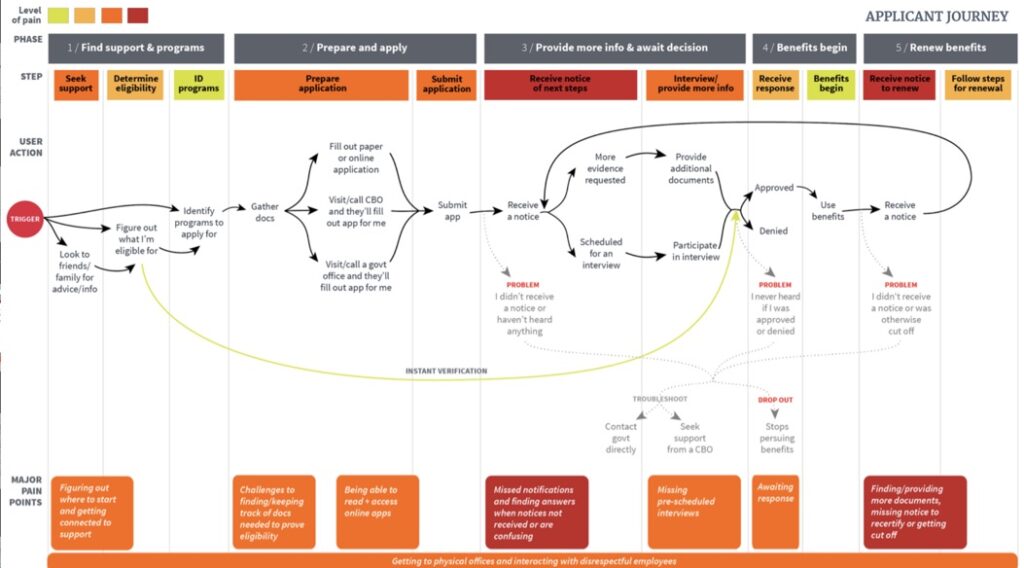
Applicants to federal aid programs face numerous barriers in accessing benefits they are eligible for. The Centers for Medicaid and Medicare conducted an extensive qualitative user research study to better understand applicant experience in enrolling in public assistance programs. Based on the results, the study emphasizes the need for simplified, streamlined and less burdensome application processes.
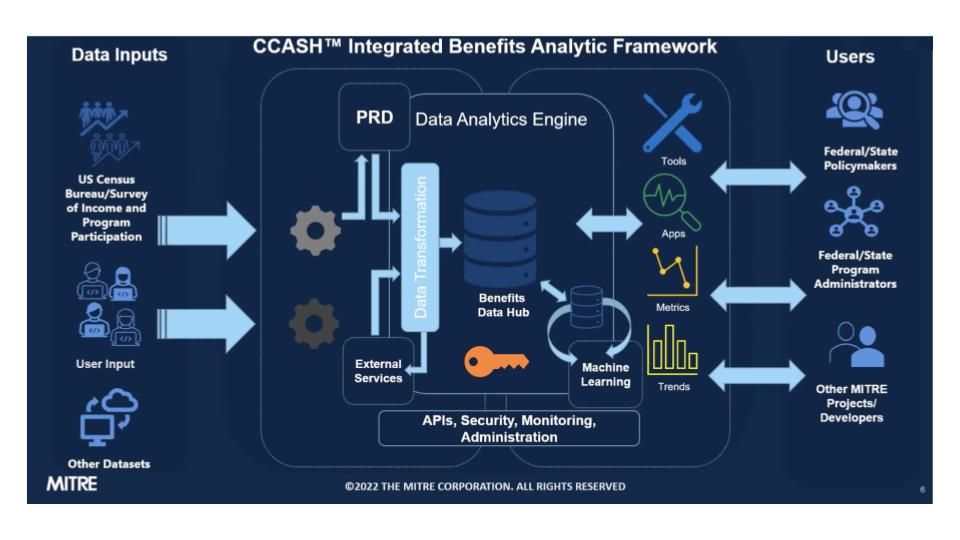
MITRE developed the Comprehensive Careers and Supports for Households (CCASH™) tool to help individuals understand and manage federal benefits and employment services, transitioning from a consumer-focused tool to a policy analytics system. By integrating data from sources like the U.S. Census and the Policy Rules Database, MITRE created a model that allows users to analyze and compare benefits eligibility across states, supporting evidence-based policymaking.
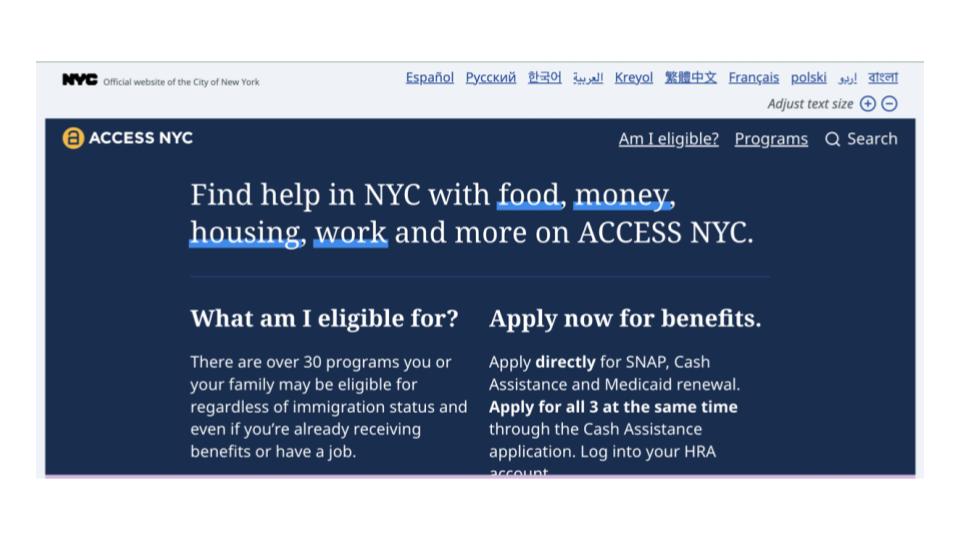
The NYC Mayor’s Office for Economic Opportunity (NYC Opportunity) developed the NYC Benefits Platform, including ACCESS NYC, to help residents easily discover and check eligibility for over 80 social programs.
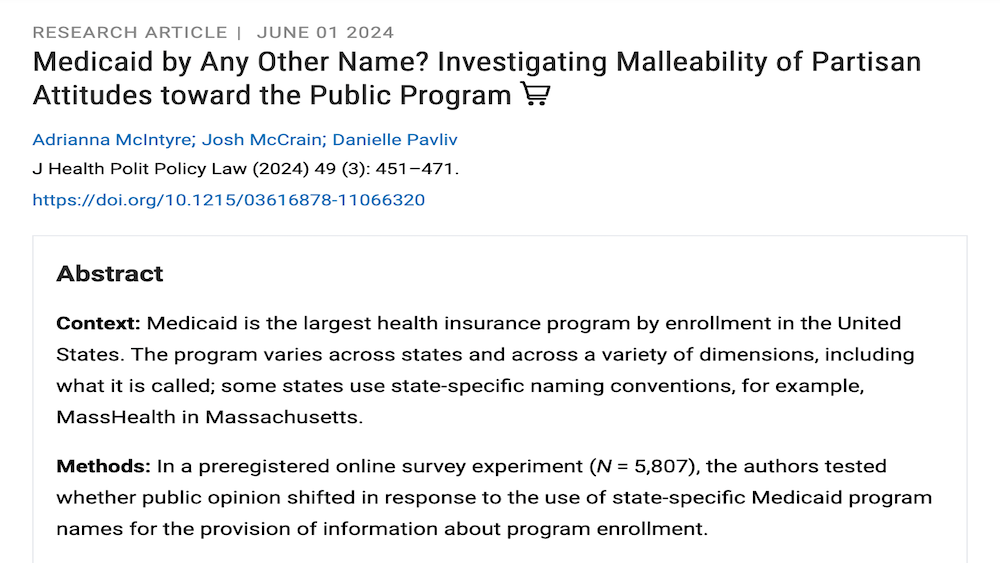
This study found that using state-specific names for Medicaid programs increased confusion and reduced both positive and negative opinions about the program.
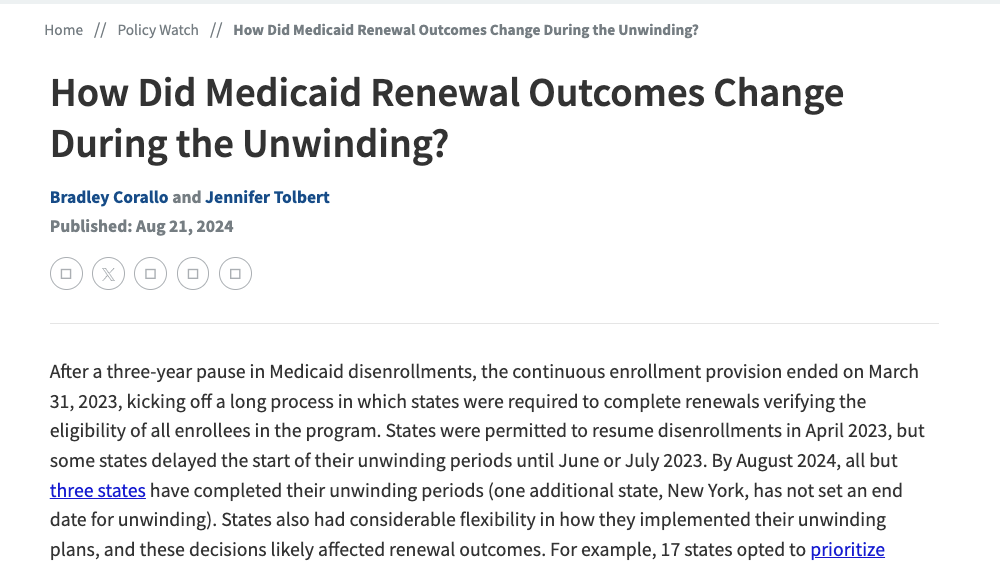
Post-Medicaid continuous enrollment's end in March 2023, states faced renewal challenges through August 2024, seeing improved auto-renewals but persistent procedural disenrollments despite outreach and intervention.
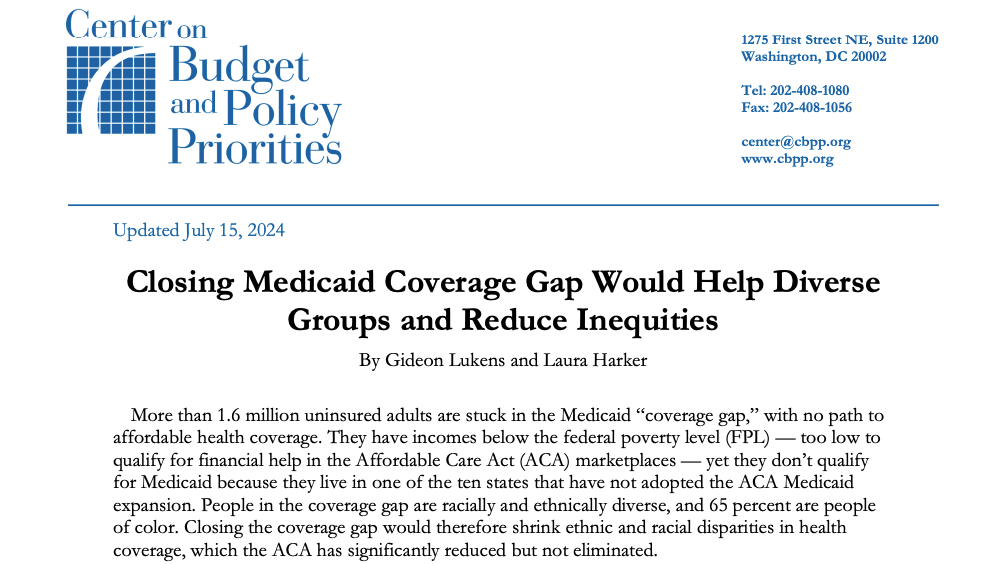
Closing the Medicaid coverage gap could significantly reduce healthcare disparities as 65% of those affected are people of color, specifically impacting low-wage workers and caregivers who often experience economic and health vulnerabilities.
This report outlines state Medicaid program priorities, including expanding access to services, addressing health disparities, and implementing cost-containment measures amid post-pandemic uncertainties.