This FormFest profile highlights Riverside County’s pilot of AI-powered interviews that streamline benefit applications, reducing bureaucratic burden on families in crisis while freeing caseworkers to focus on human connection.
This report explains how states can continue to voluntarily implement key Medicaid and CHIP eligibility and enrollment improvements—originally required by two federal rules—despite a ten-year moratorium enacted in July 2025 that blocks their mandatory enforcement
This report provides supplemental estimates on how Public Law 119-21—tied to H.R. 1—will affect SNAP participation, benefits, and state administrative costs over 2025–2034.
This report provides an initial fiscal analysis of how H.R. 1 (the “One Big Beautiful Bill”) will affect the state’s federally funded programs across agencies, estimating multi-billion-dollar reductions in SNAP, Medicaid, education, and infrastructure revenues.
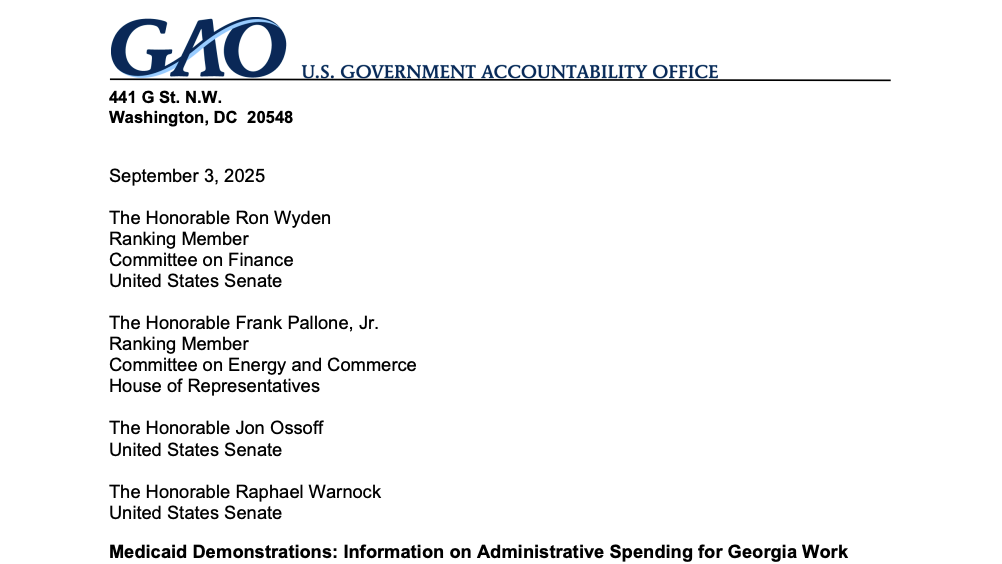
This report examines Georgia’s Medicaid demonstration testing work requirements—the only such active program in the nation—and provides detailed findings on administrative costs, implementation challenges, and federal oversight weaknesses.
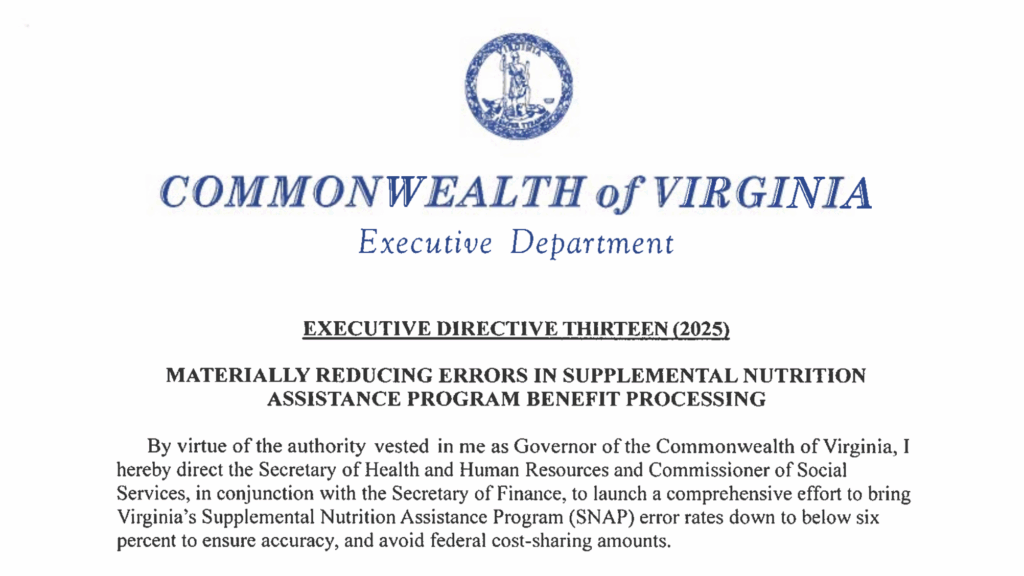
A directive issued by the Commonwealth of Virginia to materially reduce the error rate in Supplemental Nutrition Assistance Program (SNAP) benefit processing among local social services offices.
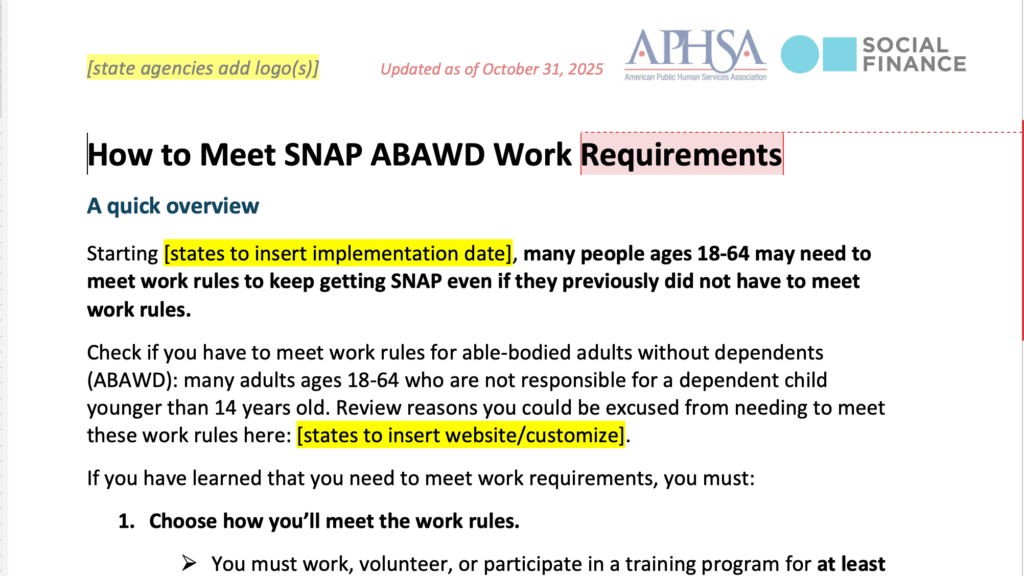
This document provides a template for SNAP agencies to use to communicate how they can meet able-bodied adults without dependents (ABAWD) work requirements.
American Public Human Services Association (APHSA)
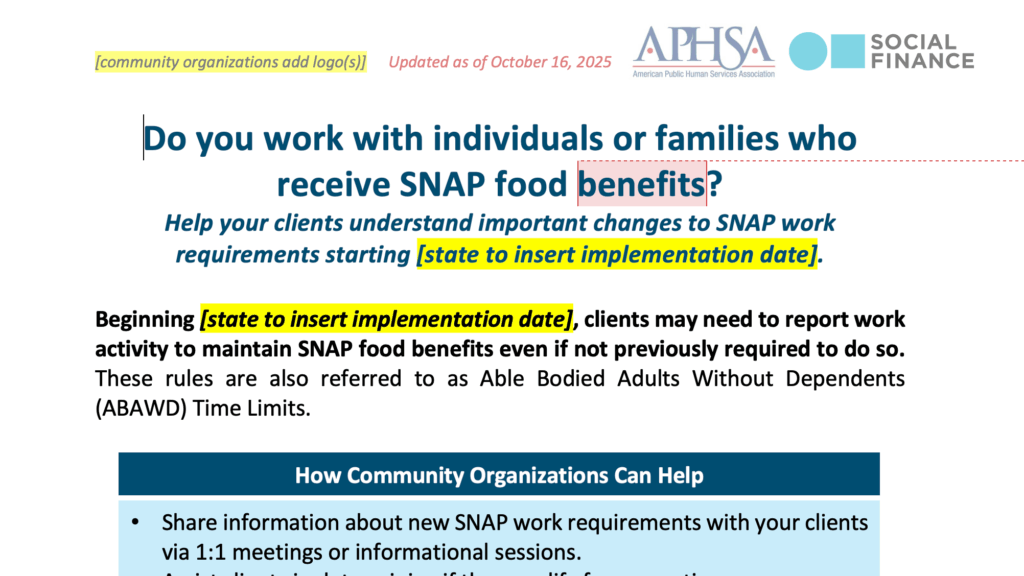
This document is a template for creating a community-based organization (CBO)-facing flyer that explains HR1 work requirements changes and how CBOs can help spread the work and screen SNAP participants and applicants.
American Public Human Services Association (APHSA)
This site contains resources explaining the 2025 Working Families Tax Cut Act (WFTC) — formally Public Law 119-21, which changes eligibility, financing, and community-engagement requirements for Medicaid and Children’s Health Insurance Program (CHIP).
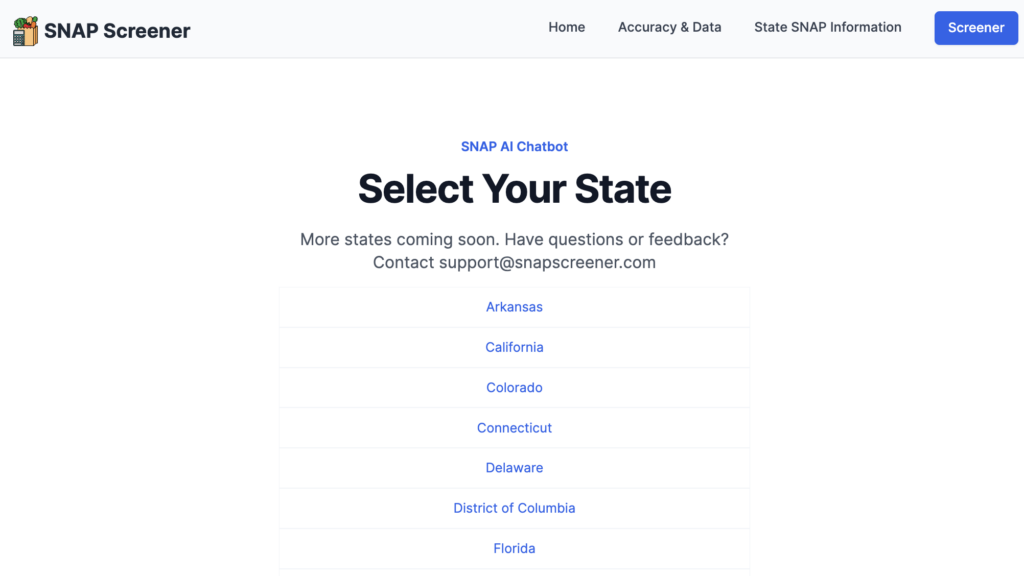
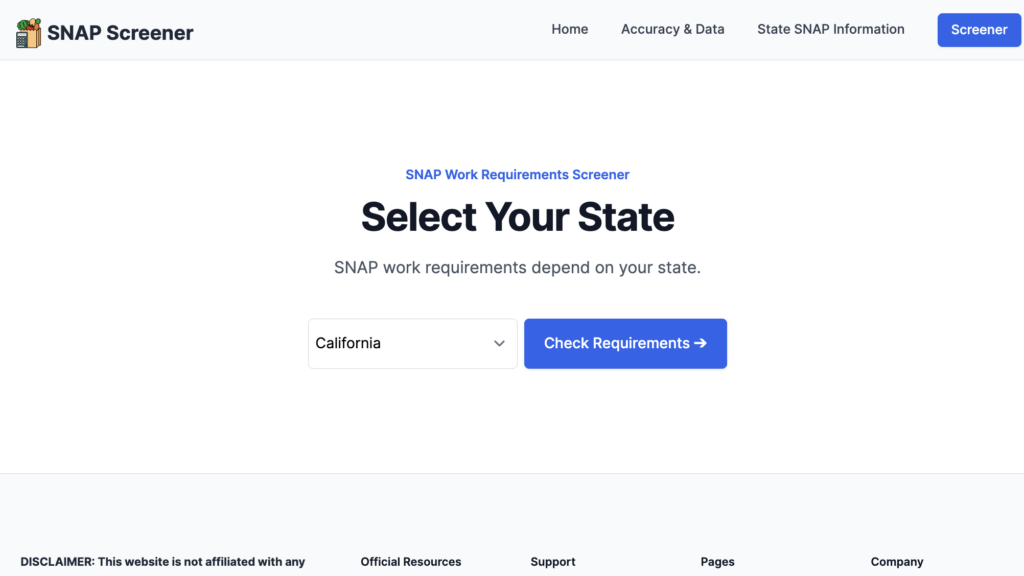
An interactive chatbot that helps SNAP participants and the public ask questions and receive guidance about SNAP work and community engagement requirements in conversational form.
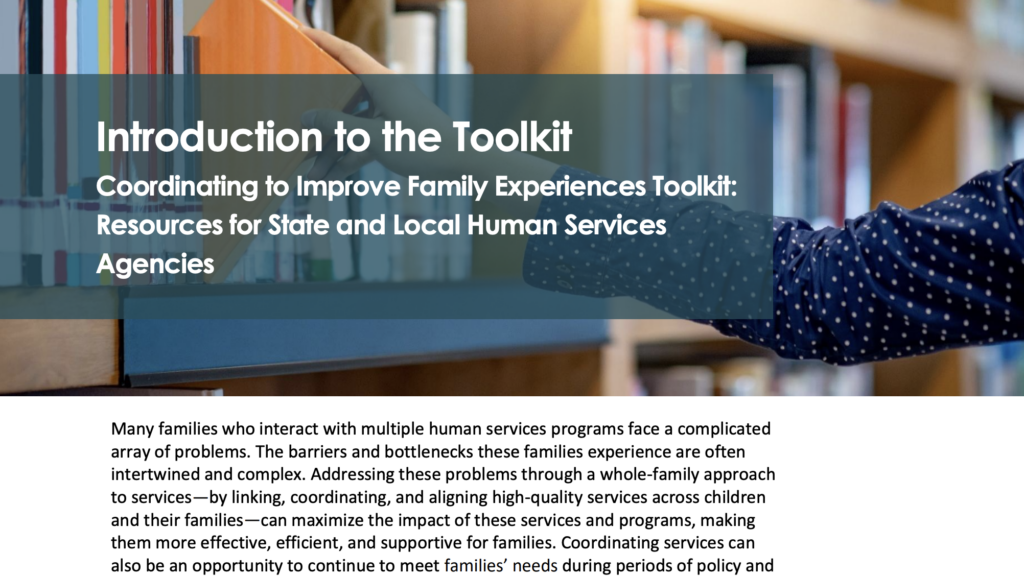
A practical toolkit that helps human services agencies coordinate programs and benefits to better support whole families through aligned policies, processes, and service delivery.