The National Health Law Program released an updated Guide to Modified Adjusted Gross Income, including sections on ACA tax filing and reporting, clarification on commonly asked questions about Social Security Income, and updated IRS tax filing thresholds.
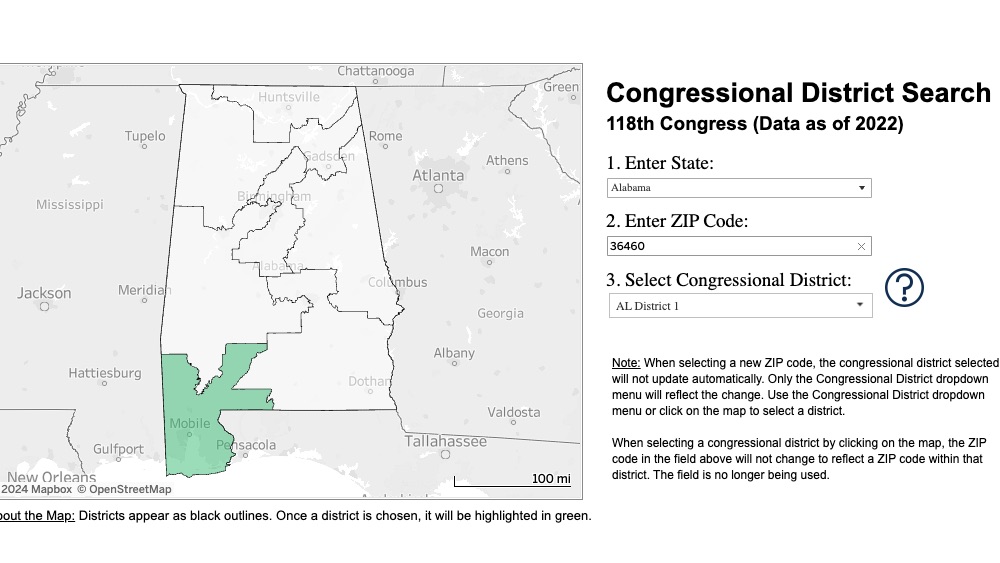
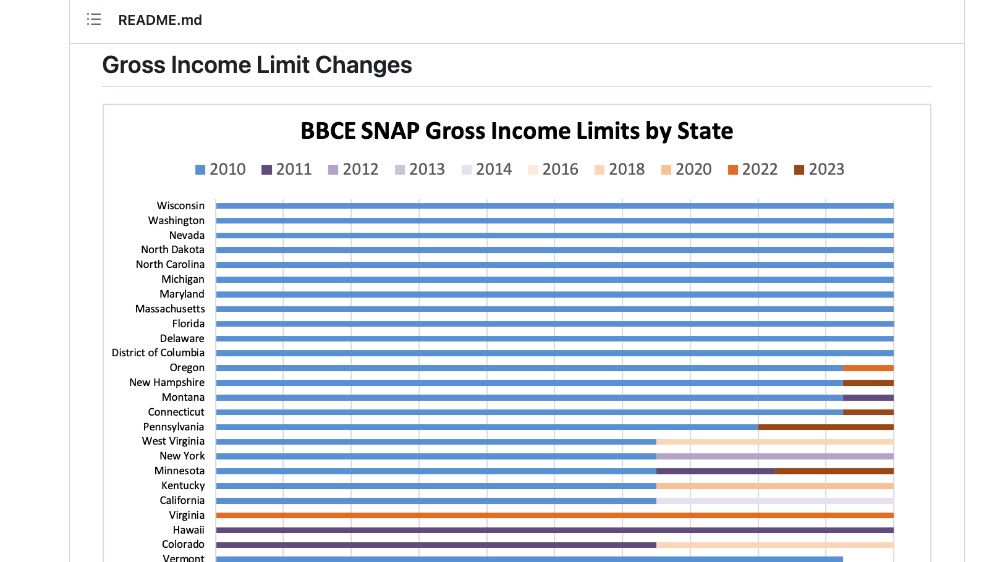
This interactive dashboard allows users to explore Supplemental Nutrition Assistance Program (SNAP) participation and household characteristics by U.S. congressional district using American Community Survey data.
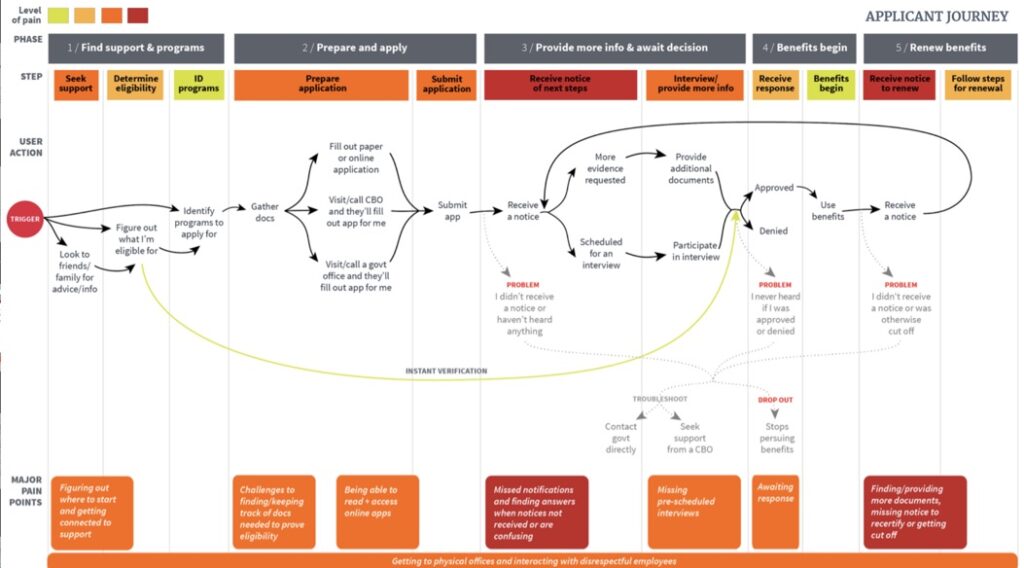
Applicants to federal aid programs face numerous barriers in accessing benefits they are eligible for. The Centers for Medicaid and Medicare conducted an extensive qualitative user research study to better understand applicant experience in enrolling in public assistance programs. Based on the results, the study emphasizes the need for simplified, streamlined and less burdensome application processes.
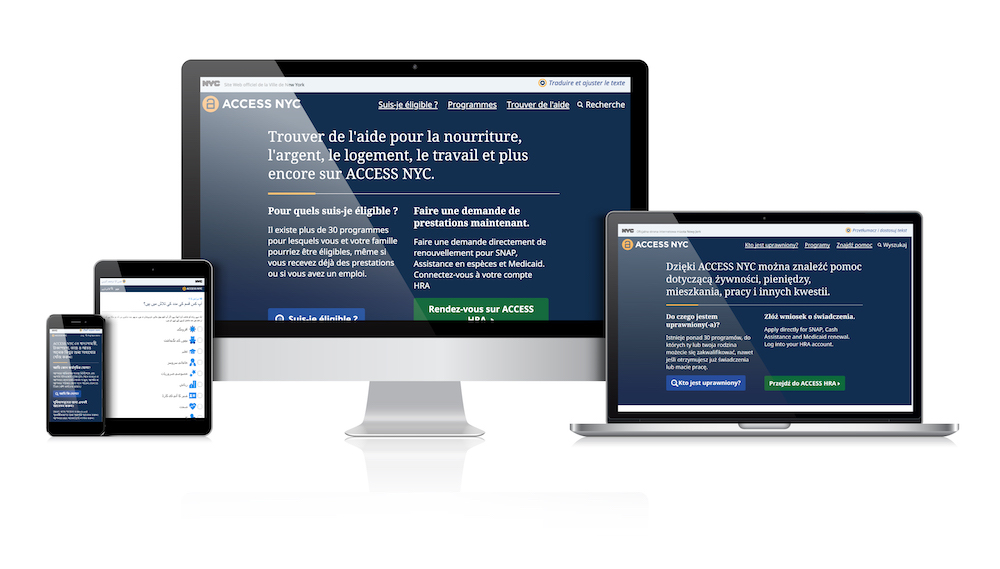
ACCESS NYC is an online public screening tool that residents can use to determine the City, State, and Federal health and human service benefit programs for which they are eligible.
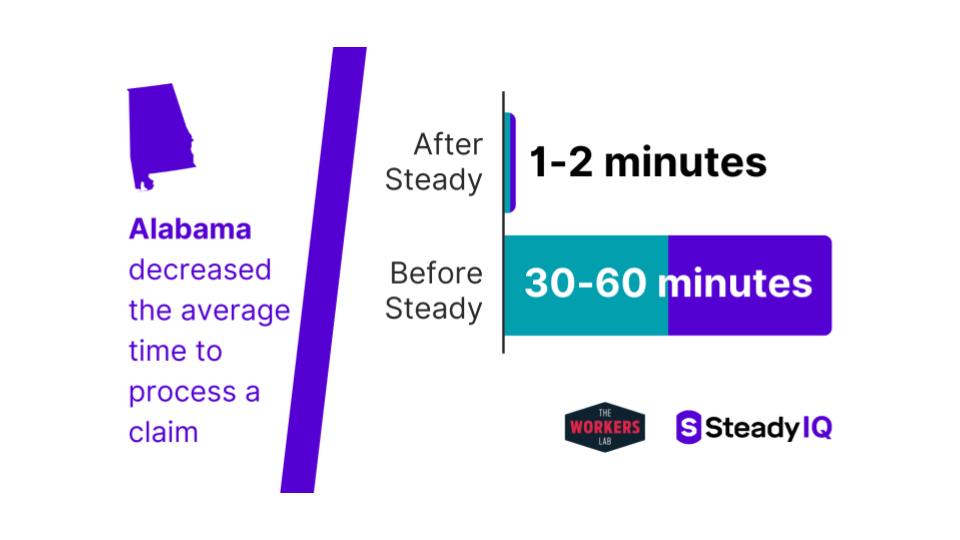
In response to COVID-19, the Workers Lab and Steady developed the "Income Passport" to streamline gig workers' unemployment benefit applications by pulling income data directly from gig platforms and financial accounts. This tool reduced manual verification time, helped prevent fraud, and improved workers' access to full benefits, with successful tests in Alabama and Louisiana demonstrating significant time savings and improved service delivery.
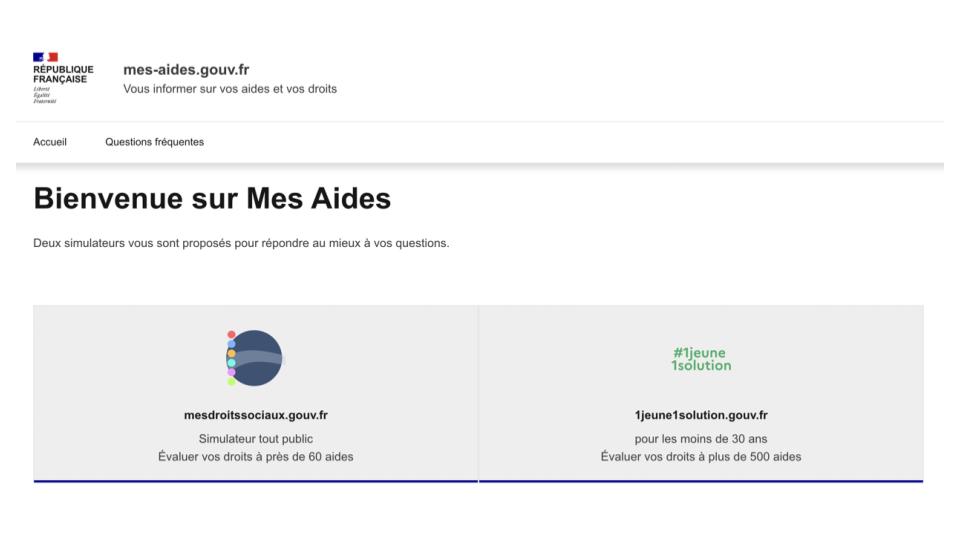
beta.gouv.fr, a French government incubator, developed Mes Aides, an online benefits simulator launched in 2014 to help residents assess their eligibility for various social programs, addressing the issue of unclaimed benefits. The tool, built with open-source technology, enabled users to quickly estimate their potential benefits but was later integrated into a broader platform in 2020 following internal government disputes over authority.
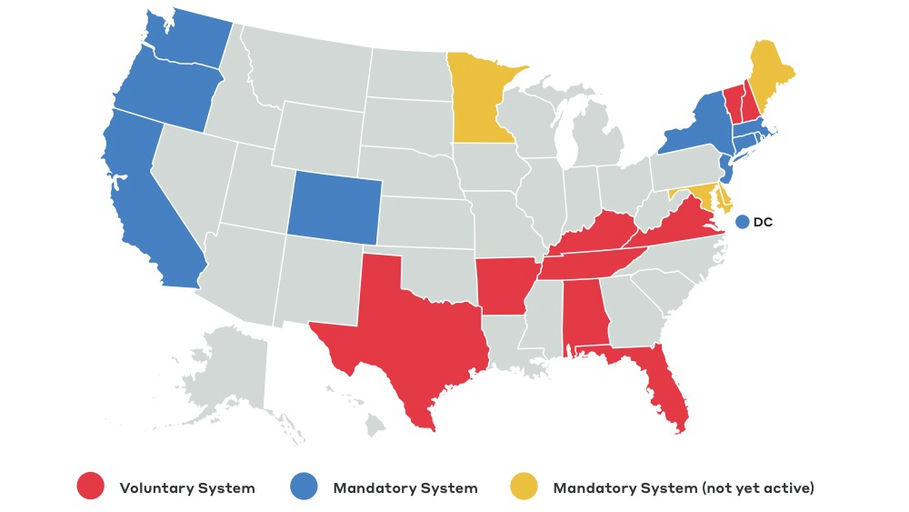
While millions of workers have gained access to PFML, the lack of uniformity in mandatory PFML programs created a growing patchwork of state laws, differing on nearly 30 policy components across four key areas: substantive benefits, financing, eligibility, and administrative requirements.