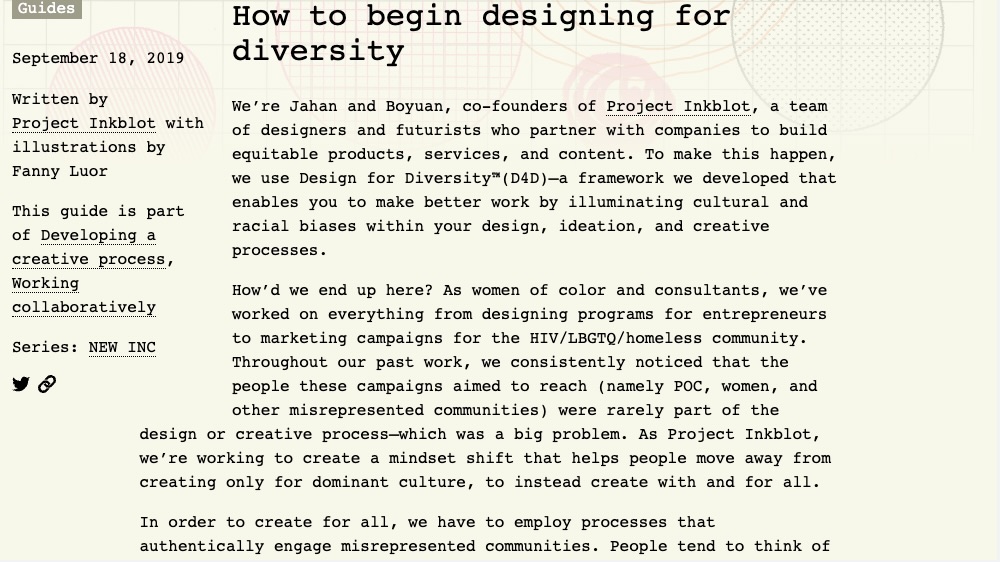
In order to create for all, we have to employ processes that authentically engage misrepresented communities. People tend to think of diversity, equity, and inclusion (DEI) efforts in terms of implicit bias workshops, employee resource groups, and hiring processes. These efforts are all important, but it is also necessary to focus on DEI as it relates to the creation of products, services, and content, and use a design-thinking approach to tackle these tricky issues.
This paper examines three key questions in participatory HCI: who initiates, directs, and benefits from user participation; in what forms it occurs; and how control is shared with users, while addressing conceptual, ethical, and pragmatic challenges, and suggesting future research directions.
This paper analyzes the unique challenges of conducting participatory design in large-scale public projects, focusing on stakeholder management, fostering engagement, and integrating participatory methods into institutional transformation.
This guide by Cyd Harrell serves as a comprehensive manual for technologists aiming to engage effectively in public sector projects, offering practical advice on navigating government partnerships and driving impactful change.
The pandemic has shown how difficult it can be for the US to succeed with major technology projects. Various leading design thinkers discuss strategies for building more efficient and effective government technology.
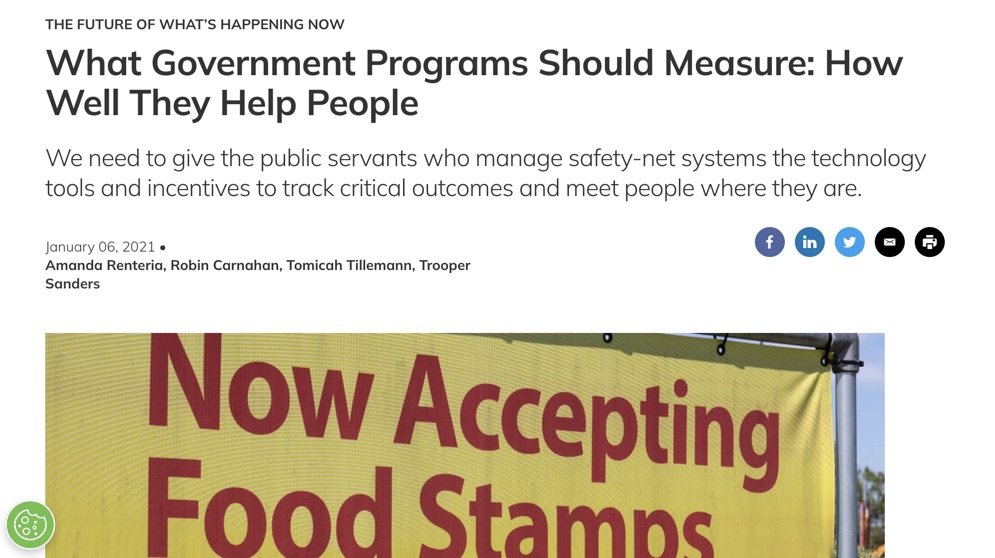
It is necessary give the public servants who manage safety-net systems the technology tools and incentives to track critical outcomes and meet people where they are.
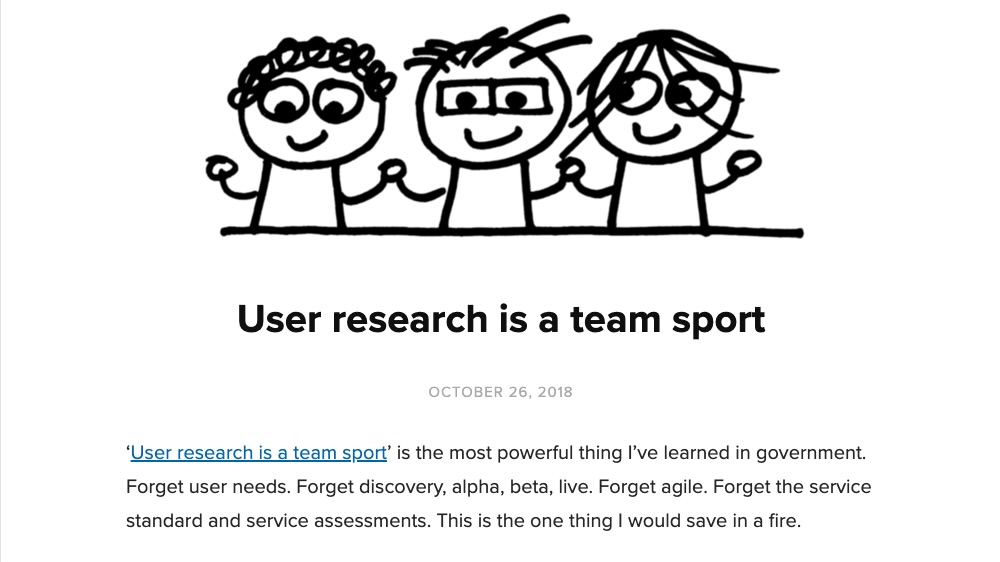
User research requires working as a team, since it necessitates running sessions with participants, observing and moderating research sessions, analyzing and synthesizing results, as well as communicating results effectively.
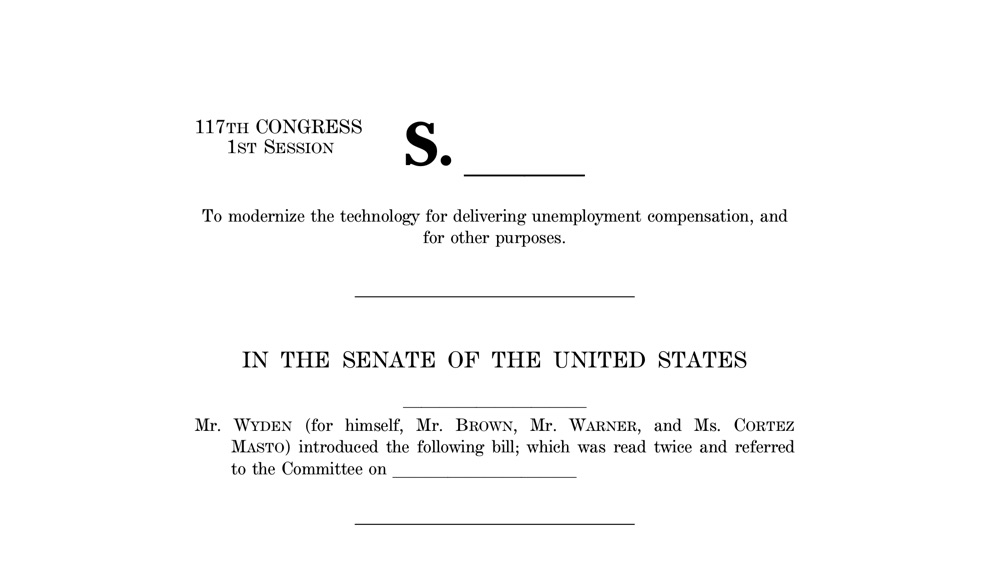
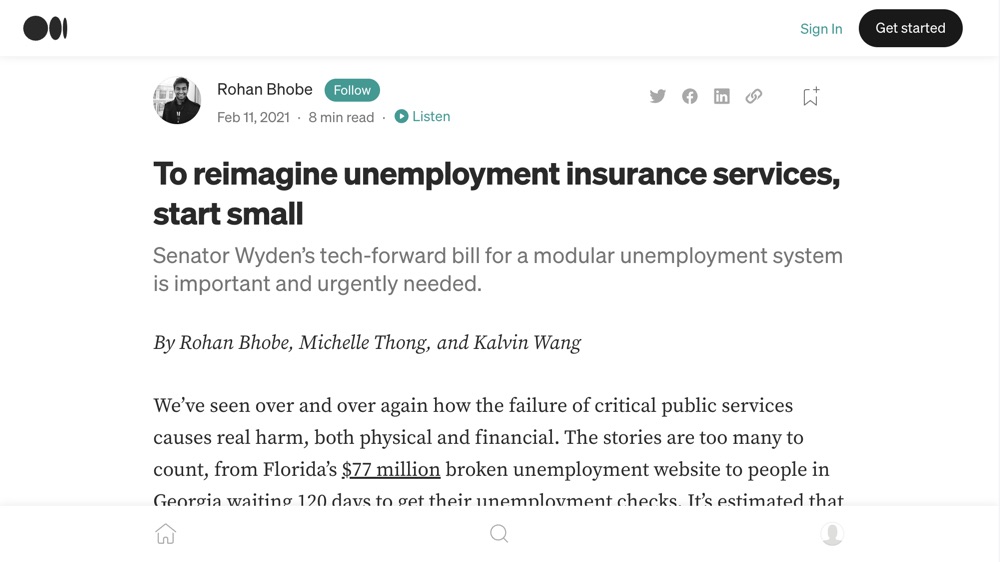
Building modular, open-source, human-centered software is necessary to create equitable government services fit for the digital age. Nava emphasizes addressing large scale digital service challenges by building and releasing small, modular software components that are loosely-coupled by well-defined APIs. This enables agencies to quickly and conistently deliver services that help people immediately, whilst also building a flexible foundation for long-term technical evolution.