This memorandum provides guidance to help agencies advance digital accessibility by maintaining an accessible Federal technology environment, promoting accessible digital experiences, and continuing the implementation of accessibility standards.
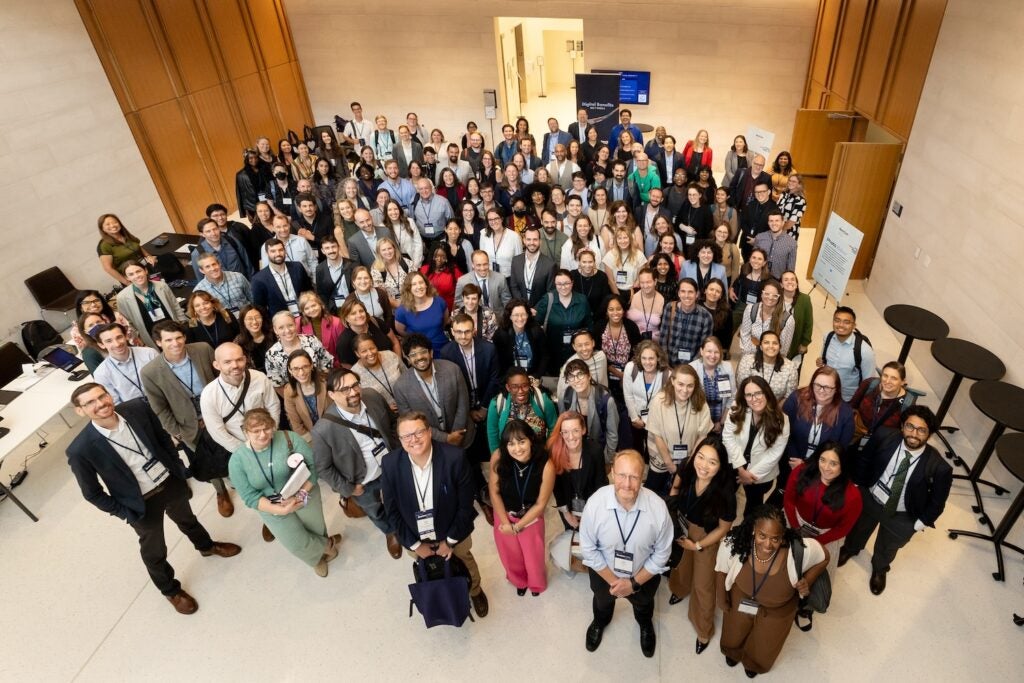
A recap of the two-day conference focused on charting the course to excellence in digital benefits delivery hosted at Georgetown University and online.
The Digital Benefits Network at the Beeck Center for Social Impact + Innovation at Georgetown University and Public Policy Lab co-hosted a webinar presenting breaking research on beneficiary experiences with digital identity processes in public benefits.
An introduction to digital accessibility, emphasizing the importance of designing digital content to be usable by individuals with various disabilities, and guidelines and assistive technologies that support inclusive digital interactions.
This guide discusses general characteristics shared by organizations that have successfully created accessible content, and includes case studies that showcase characteristics of successful accessible content teams.
Best practices for procuring and developing accessible tools that utilize artificial intelligence (AI) and how to ensure that they are in compliance with the Web Content Accessibility Guidelines (WCAG) 2.1 Level A and Level AA.
The Commonwealth of Massachusetts Executive Office of Technology Services and Security (EOTSS)