This blog post describes the launch of NJ.gov/disabilities, an accessible, co-created online hub that centralizes information and services for individuals with disabilities.
A policy directive that establishes standards and guidance for federal executive agencies to manage, secure, and deliver public websites and digital services that are user-centered, accessible, and data-driven.
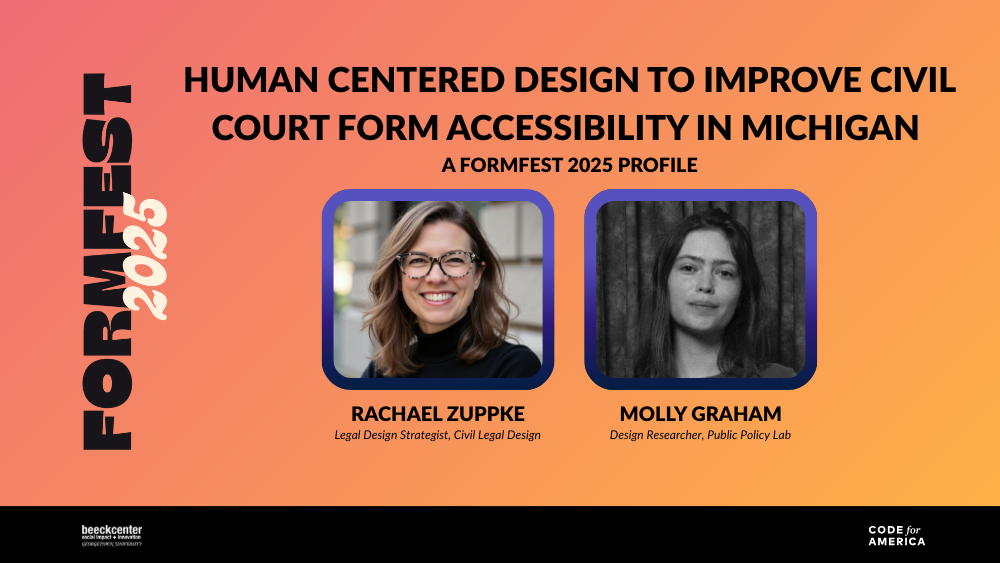
This FormFest profile highlights Rachael Zuppke and Molly Graham’s work to redesign Michigan’s civil court forms using human-centered design, making them more accessible for people who must represent themselves in critical cases like eviction, family law, and guardianship.
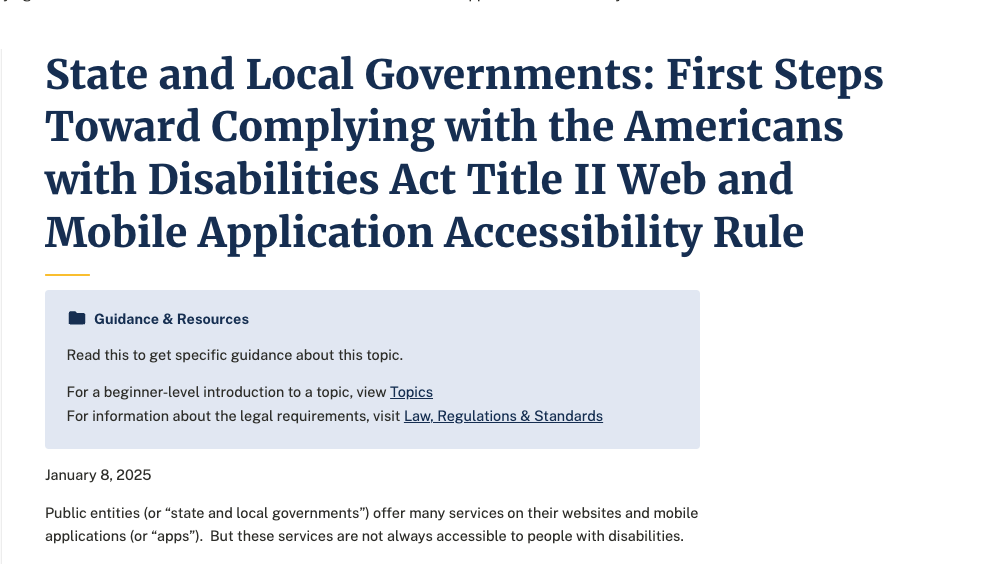
A guidance resource for state and local governments outlining first-step actions to prepare for compliance with the new web and mobile accessibility rule under Americans with Disabilities Act (ADA).
The Technology Code of Practice is a set of government guidelines for designing, building, and buying digital services and technology to ensure they are efficient, accessible, and cost-effective in the UK.
The Digital Benefit Network's Digital Identity Community of Practice held a session to hear considerations from civil rights technologists and human-centered design practitioners on ways to ensure program security while simultaneously promoting equity, enabling accessibility, and minimizing bias.
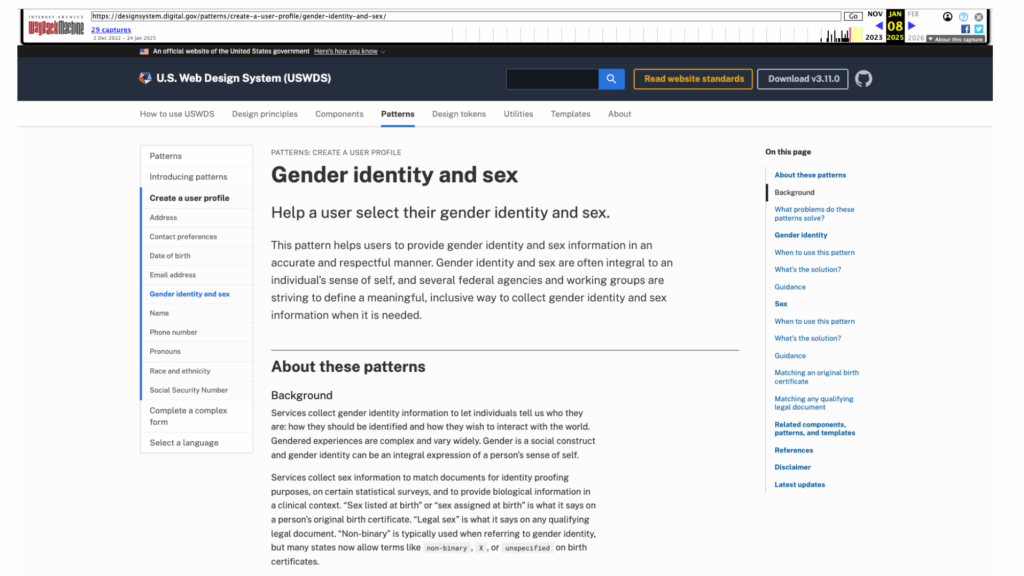
When creating a user profile, this U.S. Web Design System pattern helps users to provide gender identity and sex information in an accurate and respectful manner.
This roadmap outlines NYC’s strategy to achieve digital equity by expanding broadband access, improving digital literacy, and fostering cross-agency coordination.
This article shares insights from Minnesota-based focus groups, revealing that low-income women navigating unemployment insurance often face confusion and uncertainty around eligibility, complex administrative processes, and additional challenges related to childcare, housing stability, and mistrust of benefit systems.
A comprehensive survey-based analysis of Boston residents’ access to internet, devices, and digital skills, with a focus on equity across priority populations including low-income households, seniors, immigrants, and formerly incarcerated individuals.