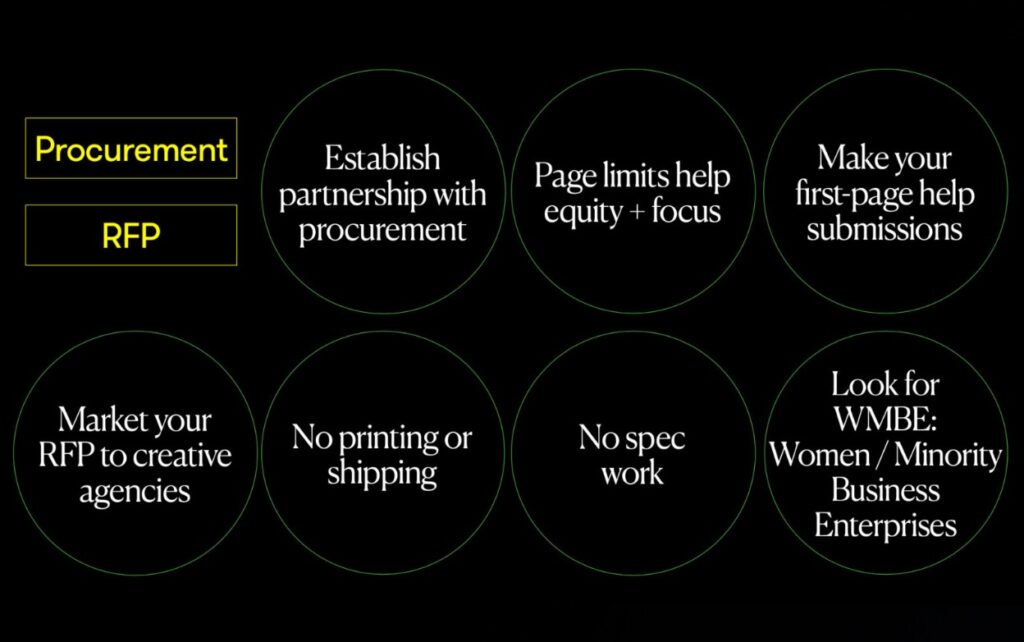
A statement of objectives that defines best practices and contract requirements for building modern, user-centered, secure, and agile digital services in government.
A research report examining how privacy and security risks are unevenly experienced across socioeconomic, racial, and ethnic groups, and how digital inequality shapes people’s exposure to harm and access to protective resources.
This session from FormFest 2024 focused on how to help people get the assistance they need from the U.S. Department of Health and Human Services’ work on the Low Income Home Energy Assistance Program (LIHEAP) and the Maryland Social Services Administration’s work to improve welfare support for kinship caregivers.
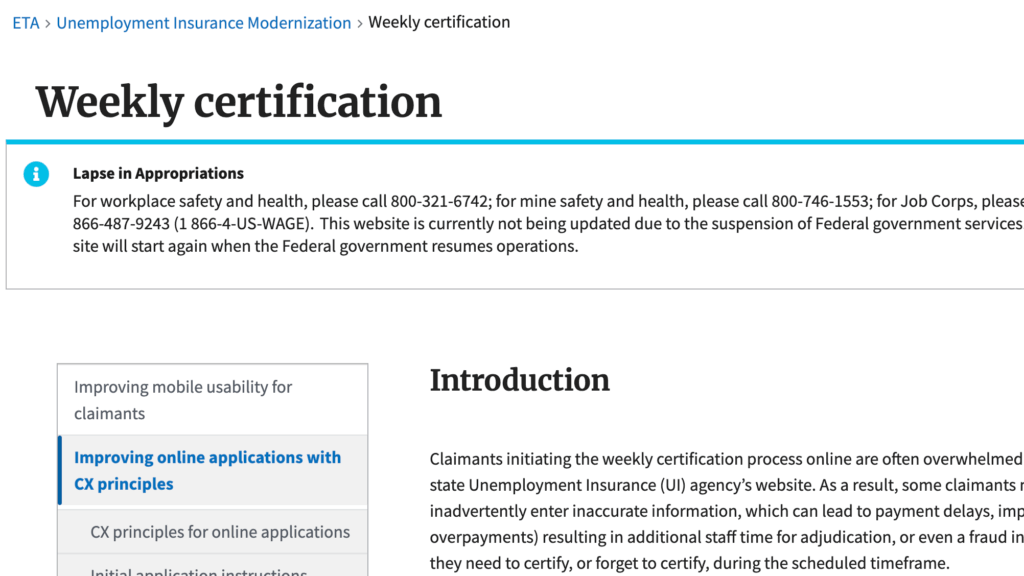
This resource provides guidance and best practices for the weekly or bi-weekly certification process that claimants must complete to maintain eligibility for unemployment insurance (UI) benefits.
The U.S. Department of Health and Human Services (HHS) announced it is rescinding prior blanket waivers that allowed discrimination based on religion, sexual orientation, and gender identity in taxpayer-funded programs.
U.S. Department of Health and Human Services (HHS)
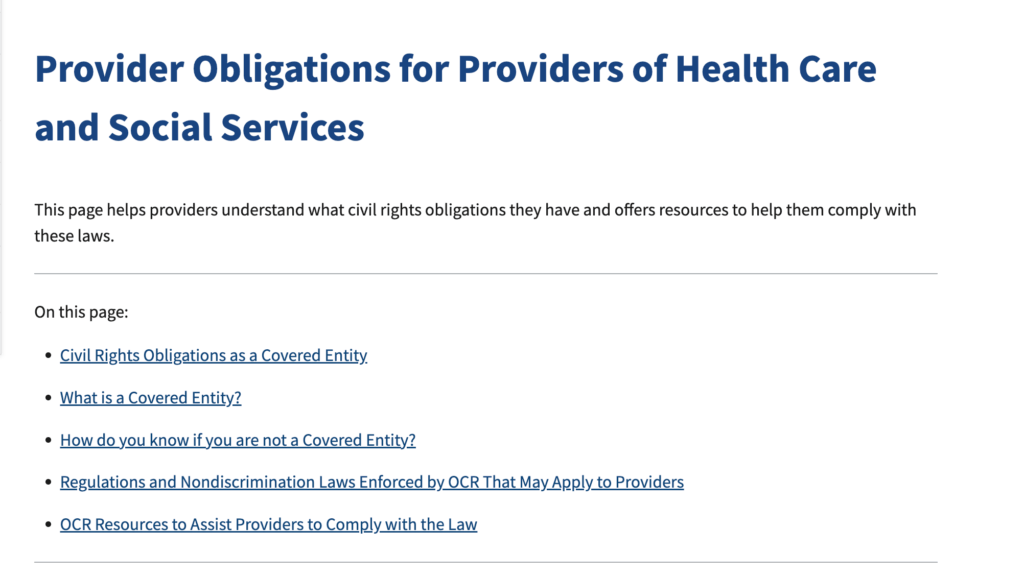
This web-page outlines the nondiscrimination and civil-rights obligations that health-care and social-services providers must meet if they receive HHS funding or act as covered entities.
U.S. Department of Health and Human Services (HHS)
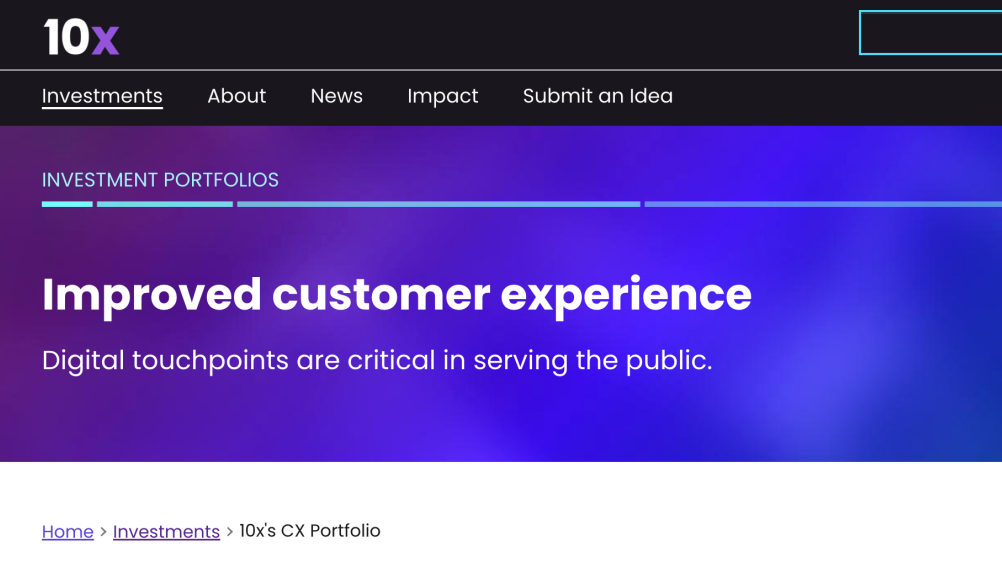
The portfolio page outlines federal projects focused on elevating how people interact with government services by prioritizing user needs, accessibility, equity, and consistency across agencies.
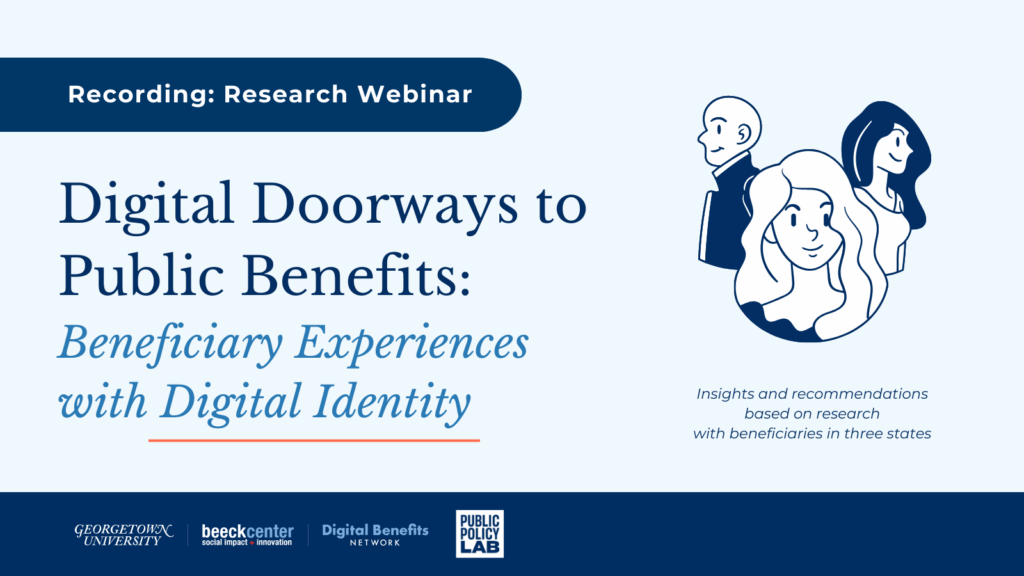
The Digital Benefits Network at the Beeck Center for Social Impact + Innovation at Georgetown University and Public Policy Lab co-hosted a webinar presenting breaking research on beneficiary experiences with digital identity processes in public benefits.
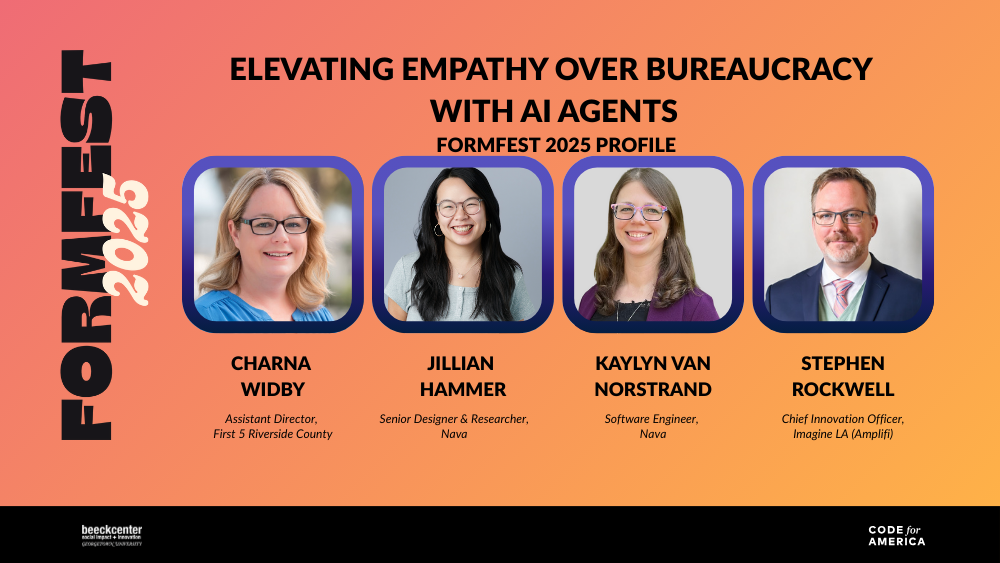
This FormFest profile highlights Riverside County’s pilot of AI-powered interviews that streamline benefit applications, reducing bureaucratic burden on families in crisis while freeing caseworkers to focus on human connection.
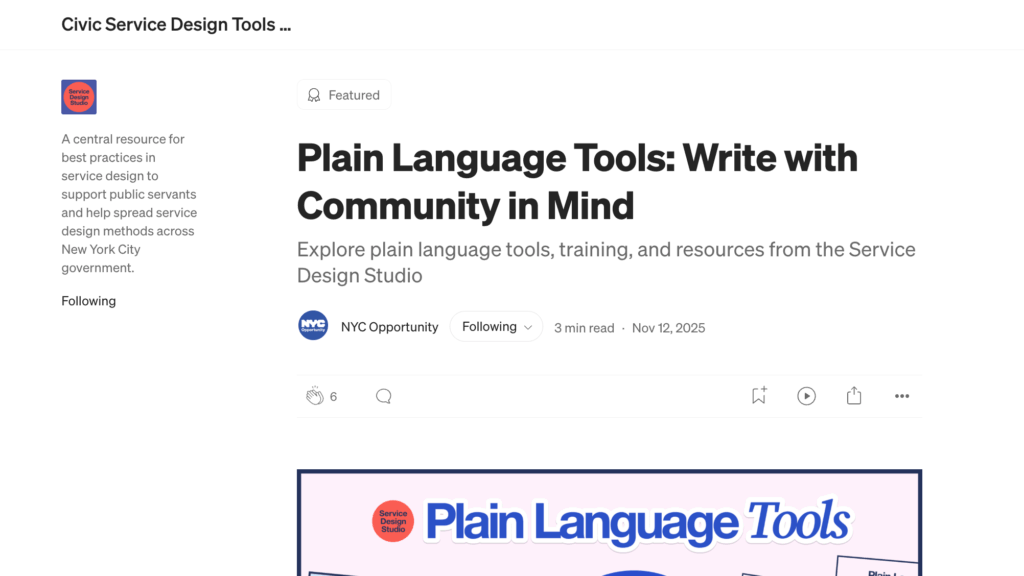
A curated toolkit of plain-language writing resources, training, and guidance aimed at helping government and public-service staff create accessible, easily understood communications.
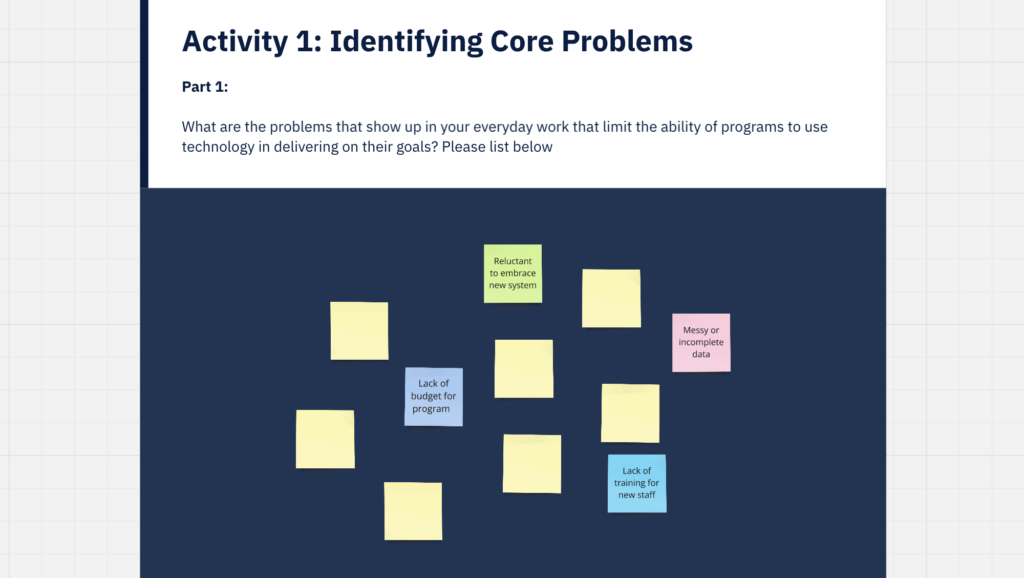
This workshop guide offers teams an opportunity to jointly work toward understanding core problems impacting digital delivery in their organization. The guide is structured in two parts: (1) a Miro template and (2) a Facilitation Guide.