This resource provides an overview of the Supplemental Nutrition Assistance Program Employment & Training (SNAP E&T) program, highlighting state implementation strategies, funding mechanisms, and policy opportunities to strengthen workforce participation among SNAP recipients.
American Public Human Services Association (APHSA)
In this webinar, a panel of experts discuss what states can do right now to improve EBT security, how to use data to analyze theft patterns, and how EBT payment technology needs to evolve to ensure efficiency, security, and dignity for beneficiaries.
This resource allows policymakers, employers, benefits providers, and researchers assess benefits performance for constituents and identify opportunities in market and policy innovation to ensure equitable benefits distribution.
This issue brief describes the Pennsylvania case study, outlines the historical context, and offers strategies and recommendations for successfully implementing Fast Track.
The report examines how current remote identity proofing methods can create barriers to Medicaid enrollment and suggests improvements to ensure equitable access for all applicants.
Annual Computers, Software, and Applications Conference (COMPSAC)
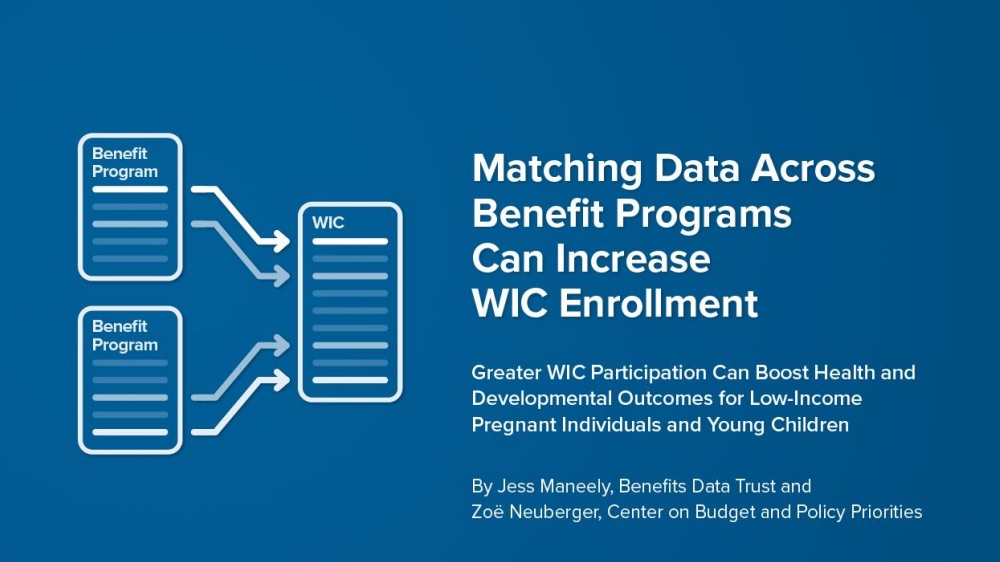
This case study highlights how states used data sharing and targeted outreach to boost WIC enrollment among Medicaid and SNAP participants, improving program reach and reducing disparities.
This technical guide provides a framework for state agencies to minimize procedural terminations and health coverage losses resulting from new Medicaid work reporting requirements.
An event recap from one of FormFest 2025’s breakout sessions featuring speakers from Code for America and Arizona’s Department of Economic Security (DES).
A public event that explored workers’ real-world experiences with unemployment insurance systems, focusing on barriers, inequities, and policy insights from their perspectives.
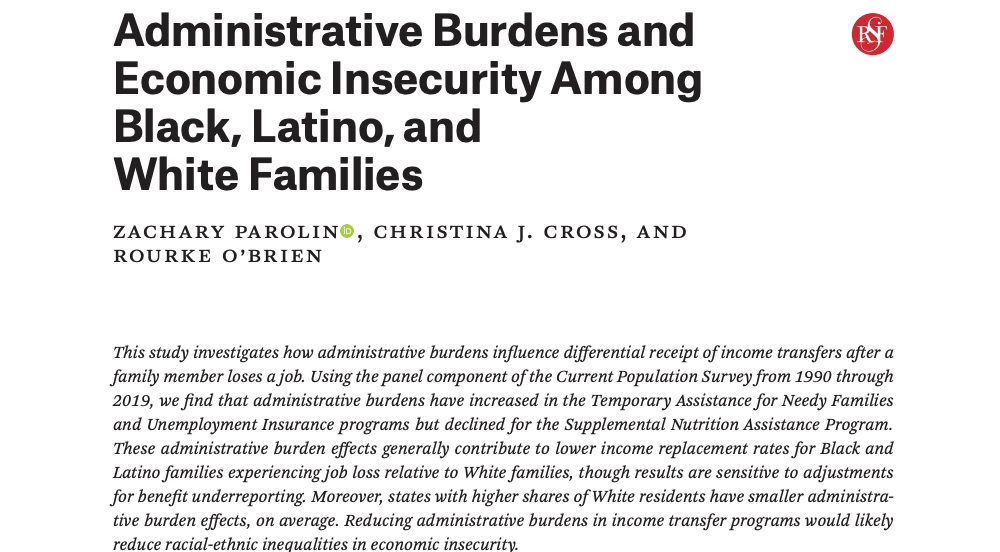
This study investigates how administrative burdens influence differential receipt of income transfers after a family member loses a job, looking at Unemployment Insurance, Temporary Assistance for Needy Families, and the Supplemental Nutrition Assistance Program.
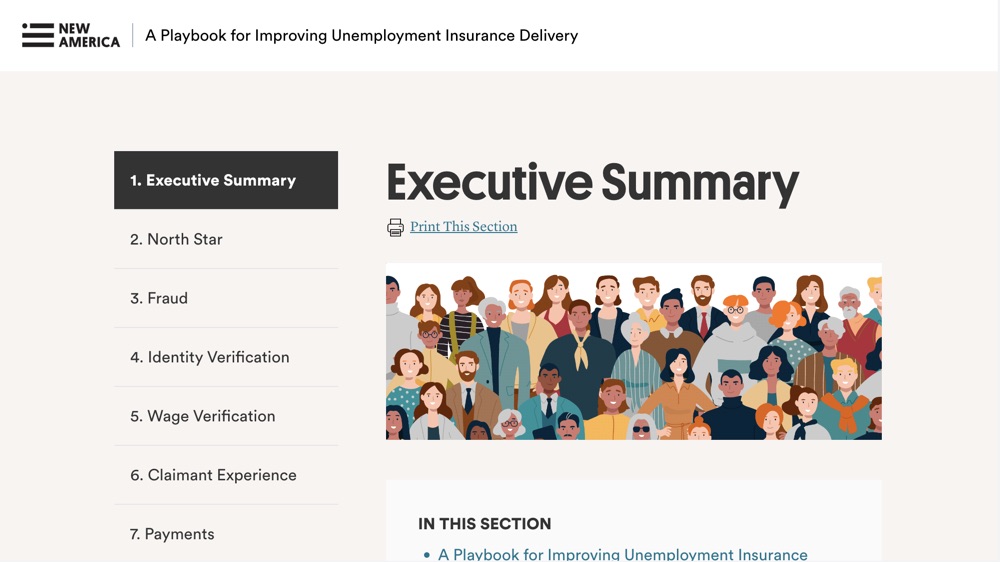
This playbook offers a comprehensive guide to enhancing unemployment benefits systems, focusing on claimant-centric approaches, equitable access, and actionable steps for state agencies.