An economic analysis estimating how recipients of emergency SNAP benefits during the pandemic allocated additional funds, primarily to food consumption.
Digital IDs can improve convenience, but they risk surveillance, data misuse, and exclusion if not designed with privacy, security, and accessibility safeguards.
Led by the Digital Benefits Network in partnership with Public Policy Lab, the Digital Doorways research project amplifies the lived experiences of beneficiaries to provides new insights into people’s experiences with digital identity processes and technology in public benefits. This executive summary gives an overview of the project’s findings.
This guide explains how states can implement new Medicaid work requirements introduced by H.R. 1, focusing on minimizing harm to eligible clients while preparing for compliance by 2027.
This crosswalk compares provisions in H.R. 1 with existing human services policies, focusing on how proposed federal work requirements could affect programs like TANF, SNAP, and Medicaid.
American Public Human Services Association (APHSA)
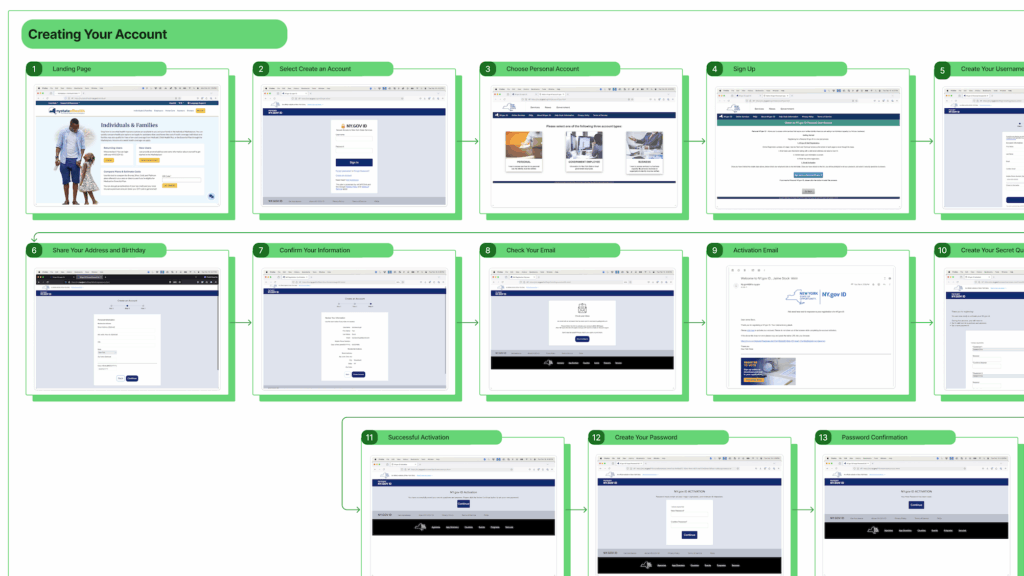
Created for use in the Digital Doorways research project, this design stimuli shows the steps of submitting an application, sharing personal information, and verifying identity for New York's online application for Medicaid.
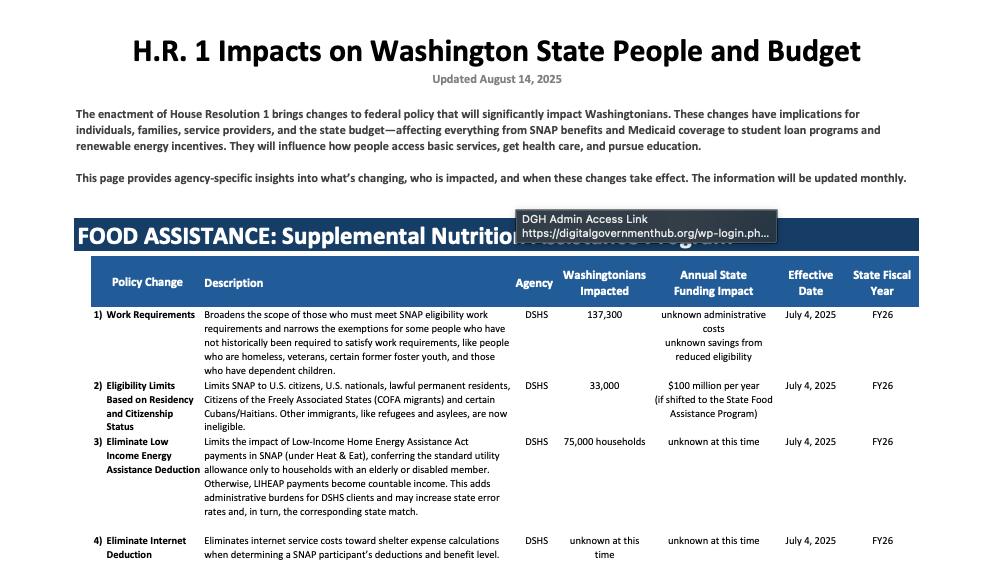
This analysis outlines how the federal H.R. 1 legislation will reshape funding, eligibility, and service delivery across key state programs—including SNAP, Medicaid, higher education, and energy—quantifying projected fiscal and human impacts across multiple agencies
Washington State Office of Financial Management (OFM)
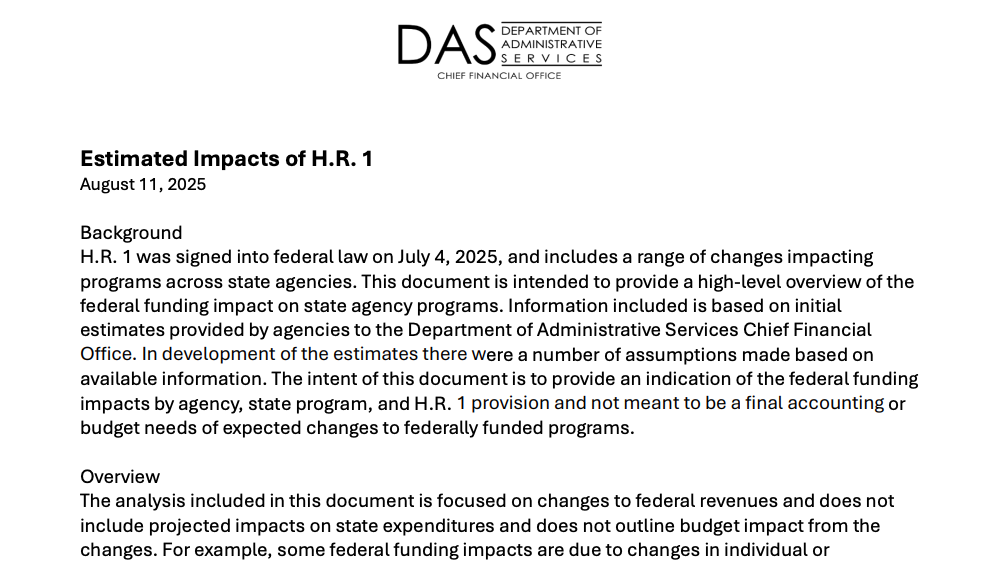
This report provides an initial fiscal analysis of how H.R. 1 (the “One Big Beautiful Bill”) will affect the state’s federally funded programs across agencies, estimating multi-billion-dollar reductions in SNAP, Medicaid, education, and infrastructure revenues.
A statewide framework defining six core digital skills standards to equip North Carolina residents with the competencies needed to participate safely, confidently, and effectively in an increasingly digital world.
North Carolina Department of Information Technology (NCDIT)
A comprehensive resource guide providing an overview of mobile driver’s licenses (mDLs) in the United States, including their implementation status, technical standards, and key privacy and accessibility considerations.