A case study explaining how a predictive, data-driven machine-learning model was developed to detect unauthorized cash benefit withdrawals more quickly and accurately in California.
The Massachusetts Digital Accessibility and Equity Strategic Plan is a three-year roadmap designed to ensure that all state digital services, websites, and IT products are fully accessible to residents and employees, particularly those with disabilities.
The Commonwealth of Massachusetts Executive Office of Technology Services and Security (EOTSS)
This toolkit provides guidance to help states implement Medicaid Advisory Committees (MACs) and Beneficiary Advisory Councils (BACs) in accordance with new federal requirements designed to strengthen beneficiary input in Medicaid program oversight.
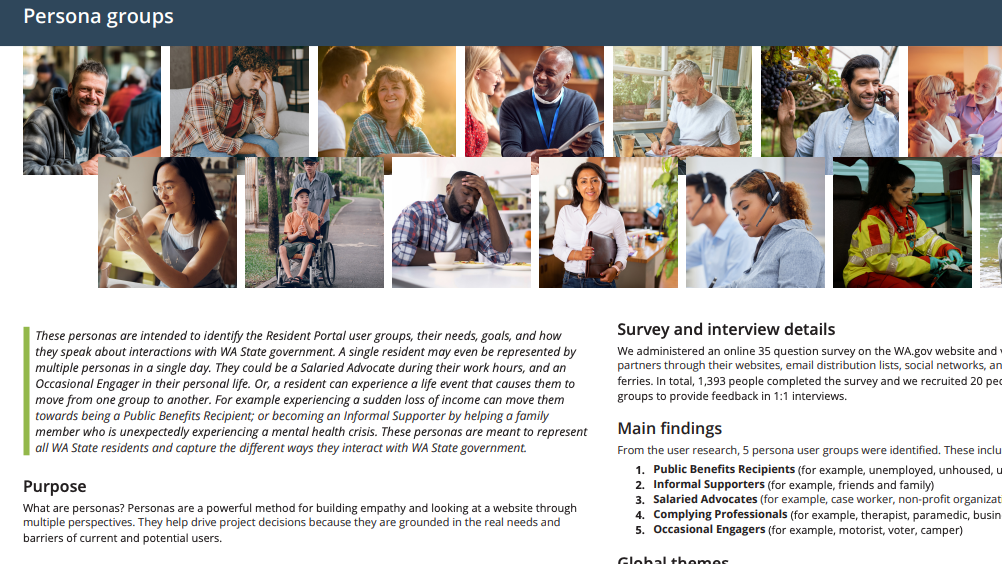
A user research–driven persona framework that identifies key resident groups interacting with government services and outlines their needs, behaviors, and pain points to inform digital service design.
This blog summarizes an event exploring how the City of Boston and Washington State are designing and implementing Single Sign-On (SSO) systems to simplify access to government services.
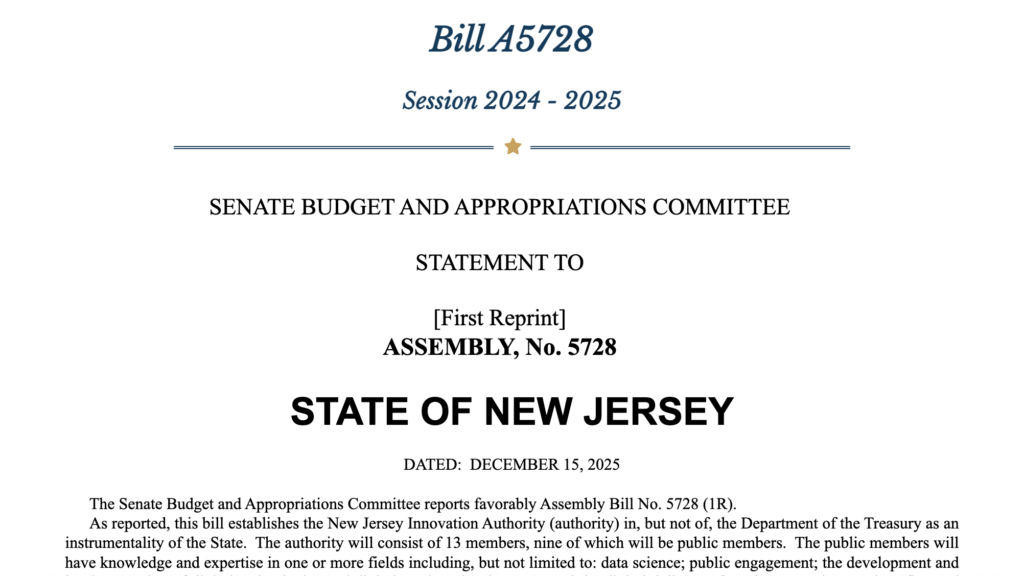
A New Jersey legislative bill establishing the New Jersey Innovation Authority to institutionalize digital modernization, service design, and technology innovation across state government.
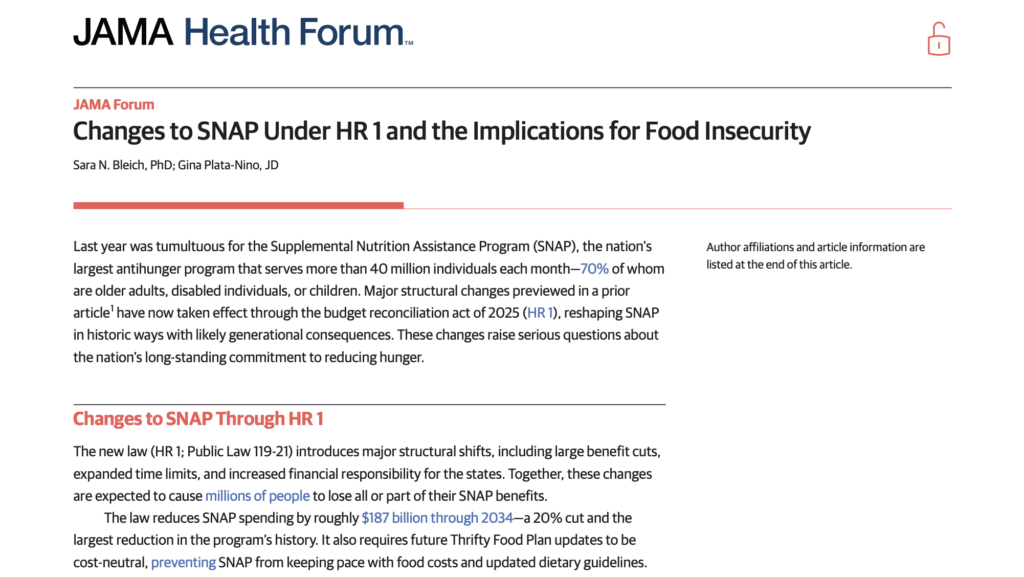
This article examines the historic structural changes to the Supplemental Nutrition Assistance Program (SNAP) enacted through H.R. 1 and their potential consequences for public health and food security.
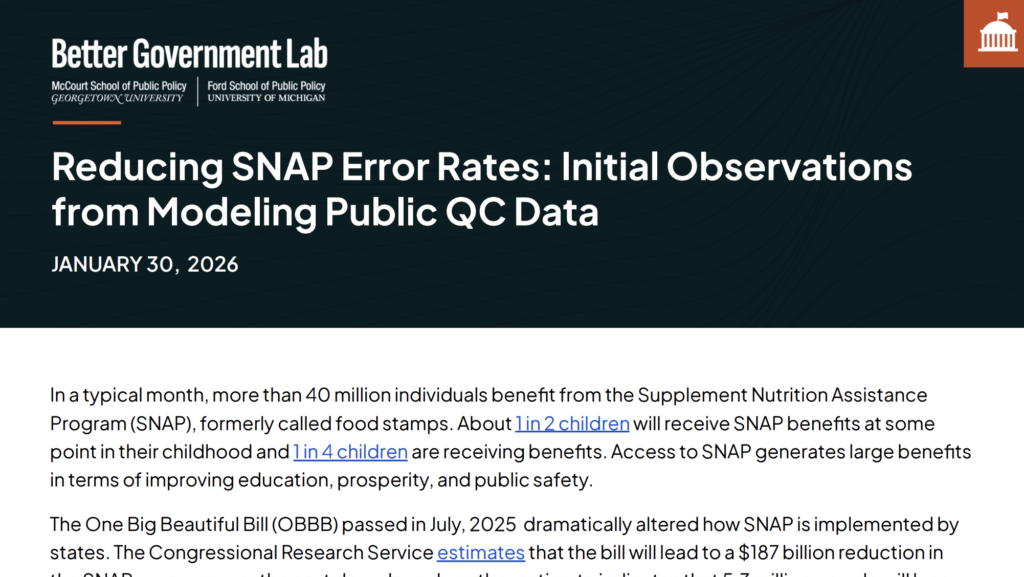
This technical brief uses predictive analytics to identify the primary drivers of SNAP payment error rates (PER) following the implementation of the One Big Beautiful Bill (OBBB).
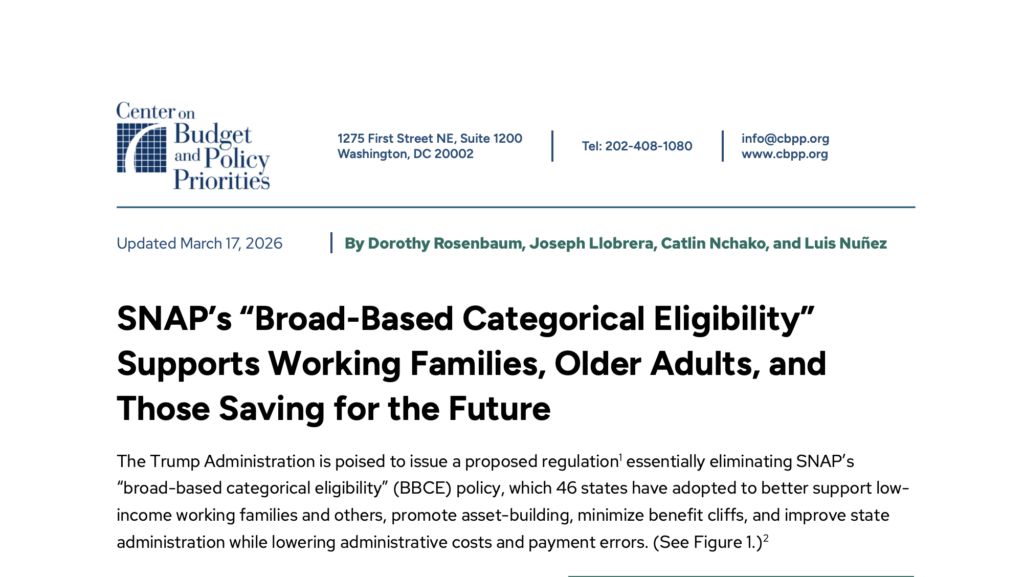
This report analyzes the critical role of SNAP’s "broad-based categorical eligibility" (BBCE) policy and the widespread consequences of its potential elimination by the Trump Administration.
This guide is a practical introduction to Digital Service Teams (DSTs) for state and local governments. It is designed to help leaders interested in standing up new government DSTs understand what they are, why they exist, and how they are structured, staffed, funded, and more.
This policy establishes a framework for ensuring the quality, accuracy, and reliability of government data to support effective decision-making, analytics, and artificial intelligence initiatives.