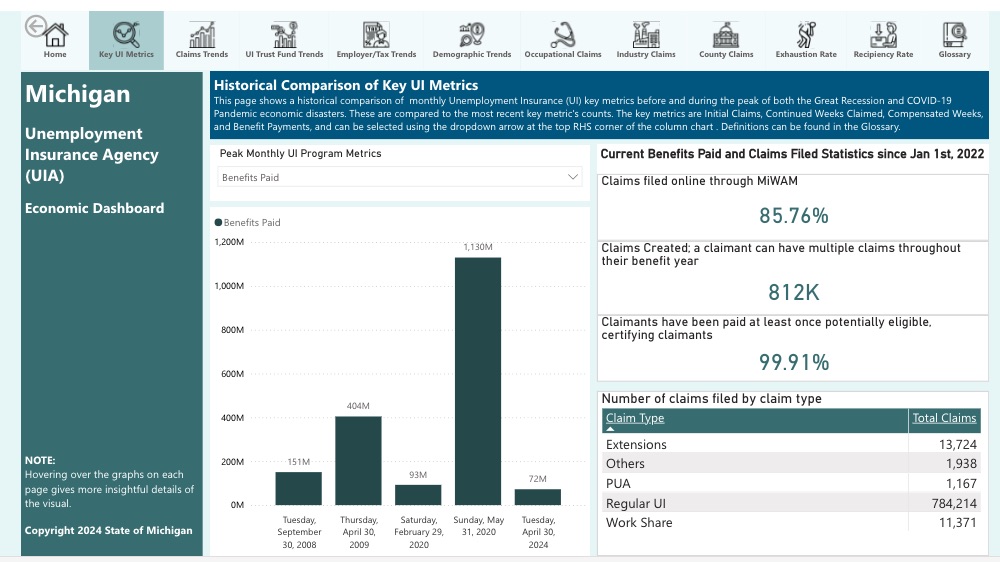
This dashboard provides a comprehensive view of underlying trends in unemployment across Michigan. It serves as an invaluable resource for understanding the impacts of unemployment on various industries, occupations, and communities. By providing detailed insights into sectors experiencing layoffs, claimant demographics, and the regions most affected, the dashboard equips us with the data needed to develop targeted solutions tailored to the needs of Michiganders.
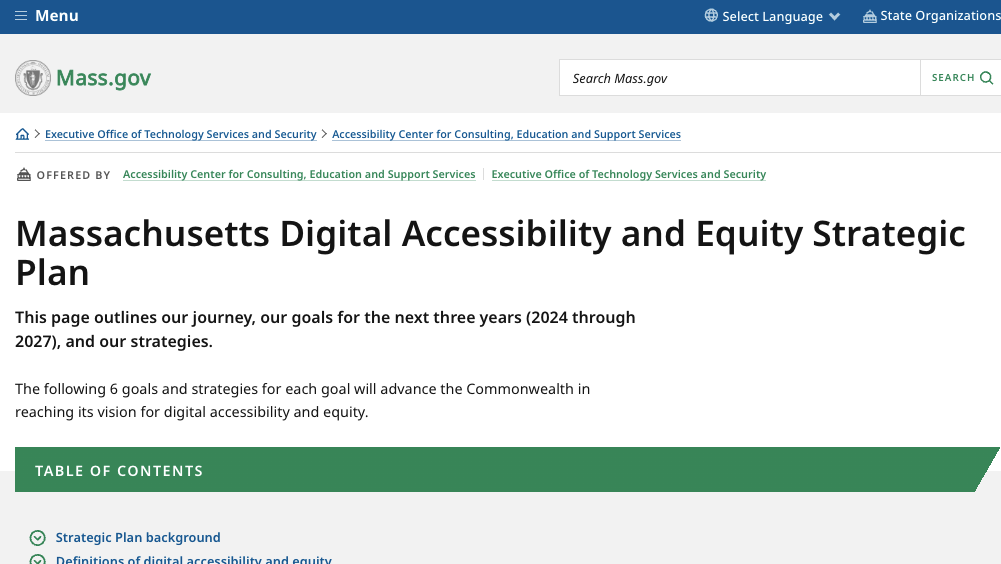
The Massachusetts Digital Accessibility and Equity Strategic Plan is a three-year roadmap designed to ensure that all state digital services, websites, and IT products are fully accessible to residents and employees, particularly those with disabilities.
The Commonwealth of Massachusetts Executive Office of Technology Services and Security (EOTSS)
A strategic roadmap outlining the vision, goals, and measurable success criteria for building a unified, resident-centered digital portal for Washington State services.
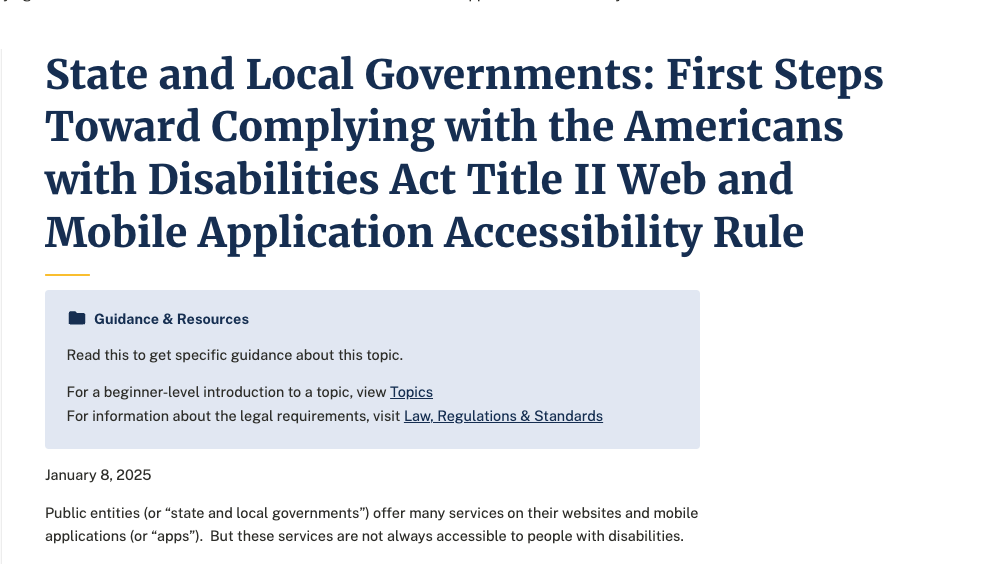
A guidance resource for state and local governments outlining first-step actions to prepare for compliance with the new web and mobile accessibility rule under Americans with Disabilities Act (ADA).
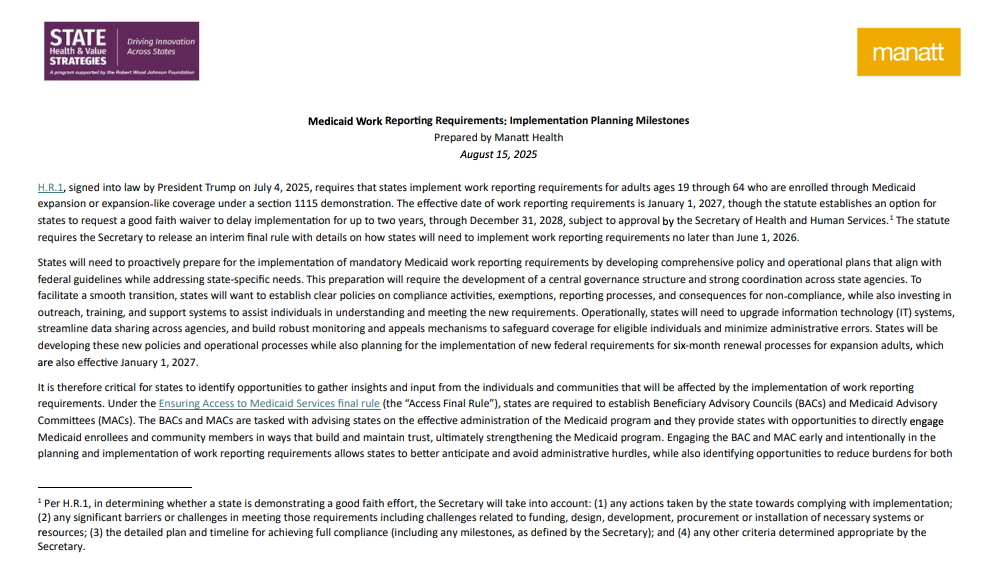
This milestone table outlines a detailed roadmap for states to implement mandatory Medicaid work reporting requirements under H.R. 1 by January 1, 2027.
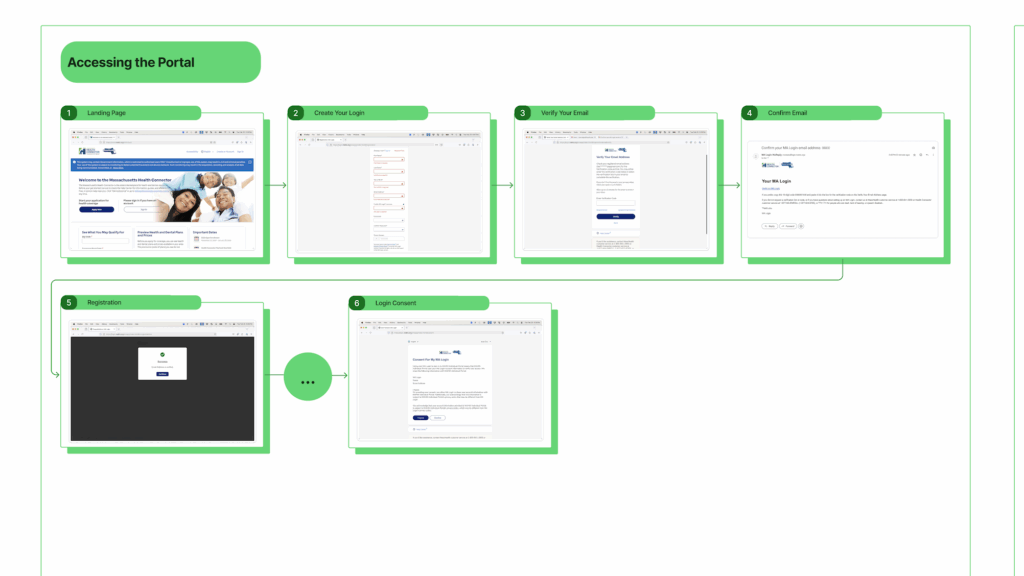
Created for use in the Digital Doorways research project, this design stimuli shows the steps of submitting an application, sharing personal information, and verifying identity for Massachusetts' online application for Medicaid.
This resource describes how different agencies have updated their systems to increase online and mobile access to benefits information and applications, including using text messages to share benefits information with residents.
The toolkit provides strategies for state and local WIC agencies to enhance enrollment by utilizing data from Medicaid and SNAP for cross-program data matching and targeted outreach.