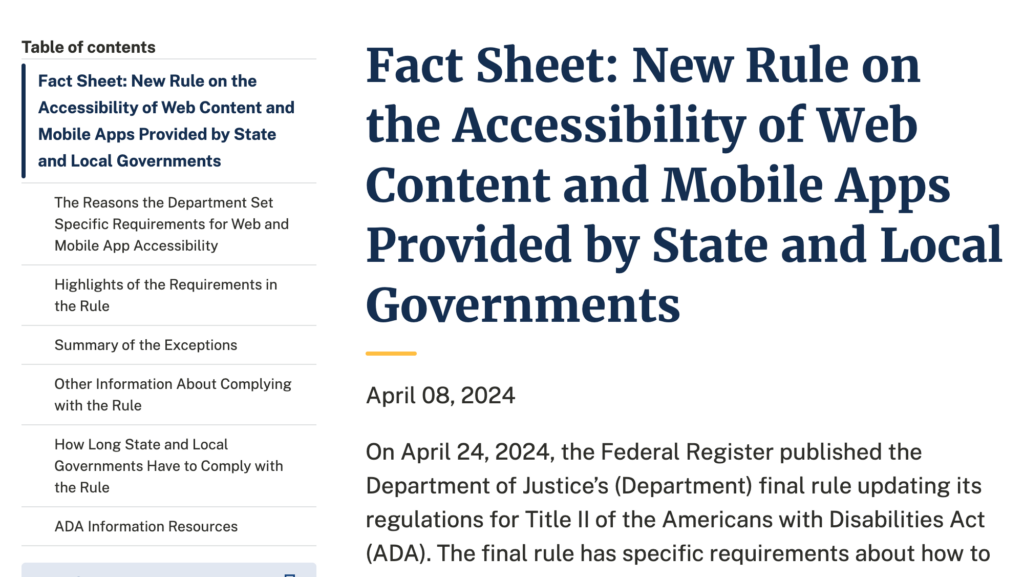
This fact sheet outlines a landmark final rule updating Title II regulations of the Americans with Disabilities Act (ADA) regarding the accessibility of web content and mobile applications.
A practical toolkit that provides plain-language writing resources, checklists, and guidance to help government and public-service teams write content that is clear, accessible, and centered on community needs.
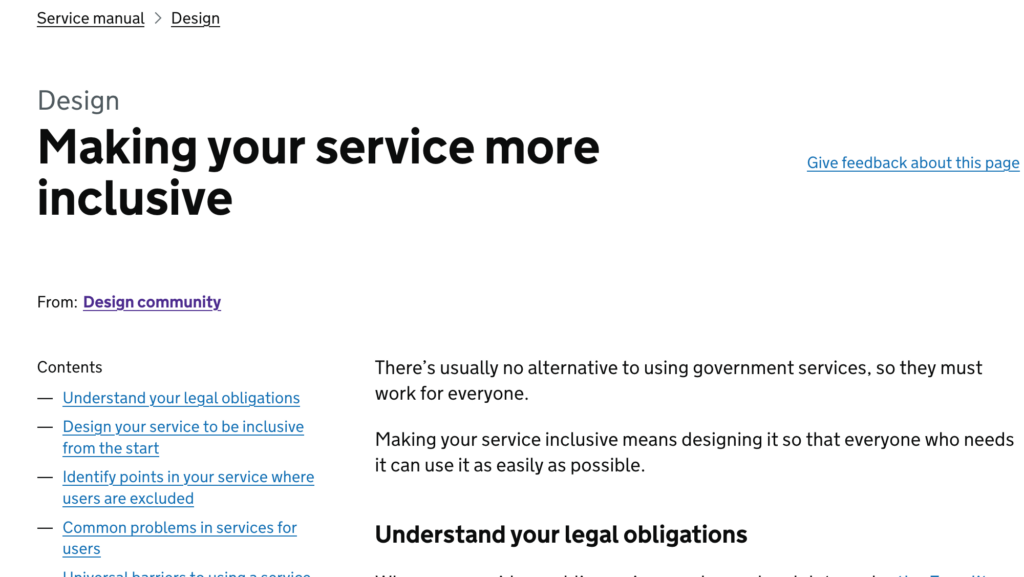
Making your service more inclusive means designing government services so that everyone who needs to use them can do so with as few barriers as possible, by understanding legal duties, identifying and removing exclusion points, and considering a wide range of user needs throughout the design process.
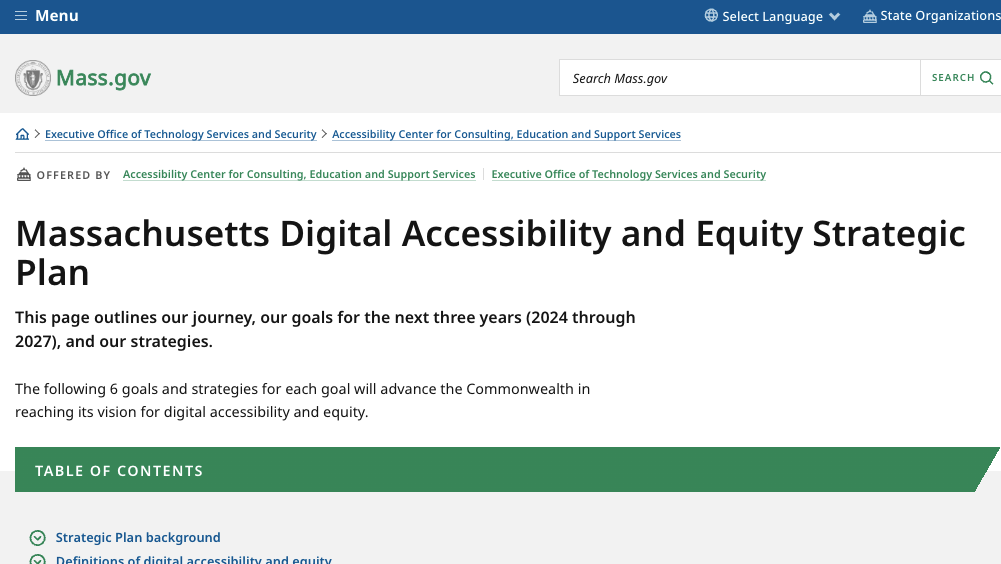
The Massachusetts Digital Accessibility and Equity Strategic Plan is a three-year roadmap designed to ensure that all state digital services, websites, and IT products are fully accessible to residents and employees, particularly those with disabilities.
The Commonwealth of Massachusetts Executive Office of Technology Services and Security (EOTSS)
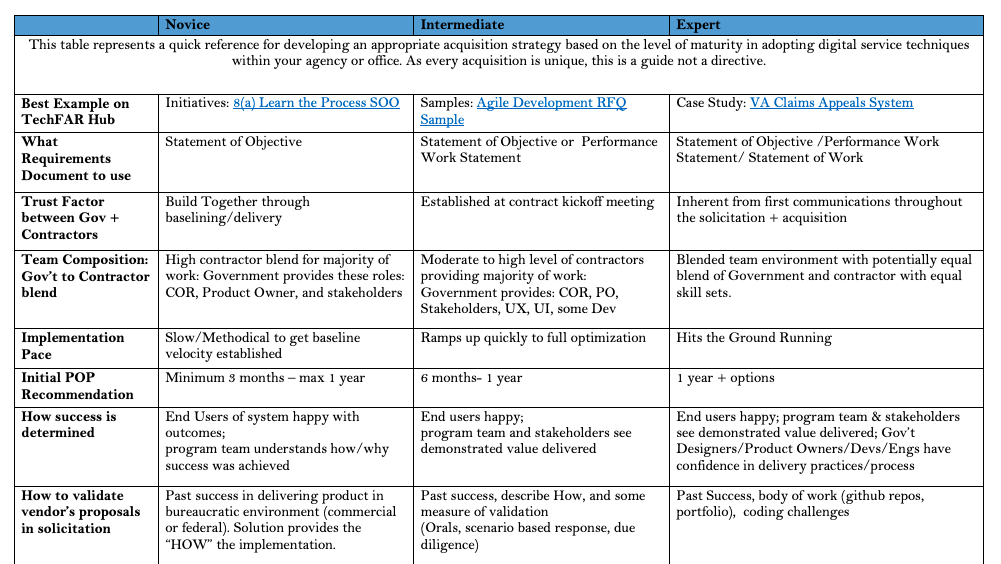
A practical guide that helps agencies choose appropriate acquisition strategies for digital projects based on their maturity with modern delivery practices.
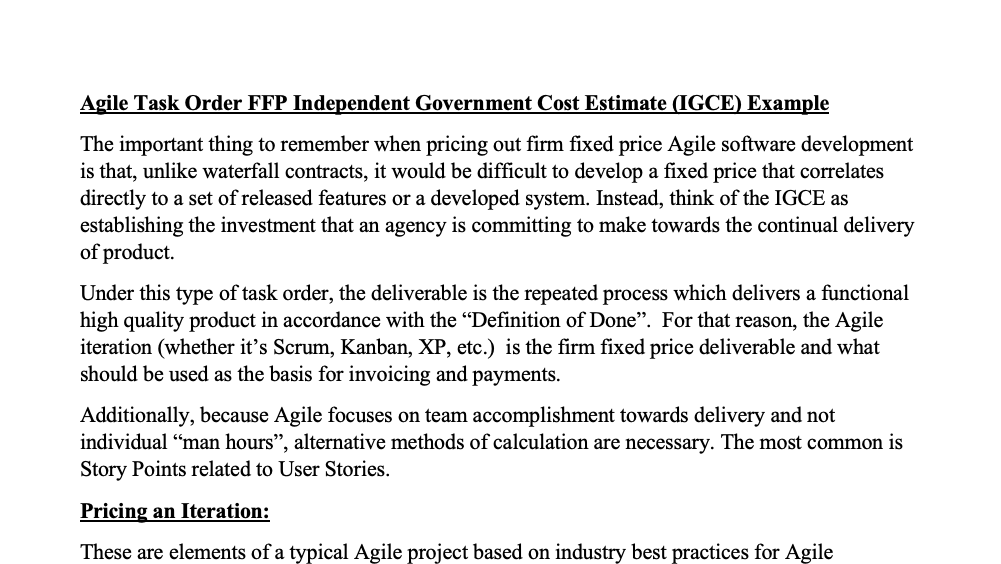
A practical example showing how to estimate and structure firm-fixed-price costs for agile software development task orders using iteration-based pricing and performance metrics.
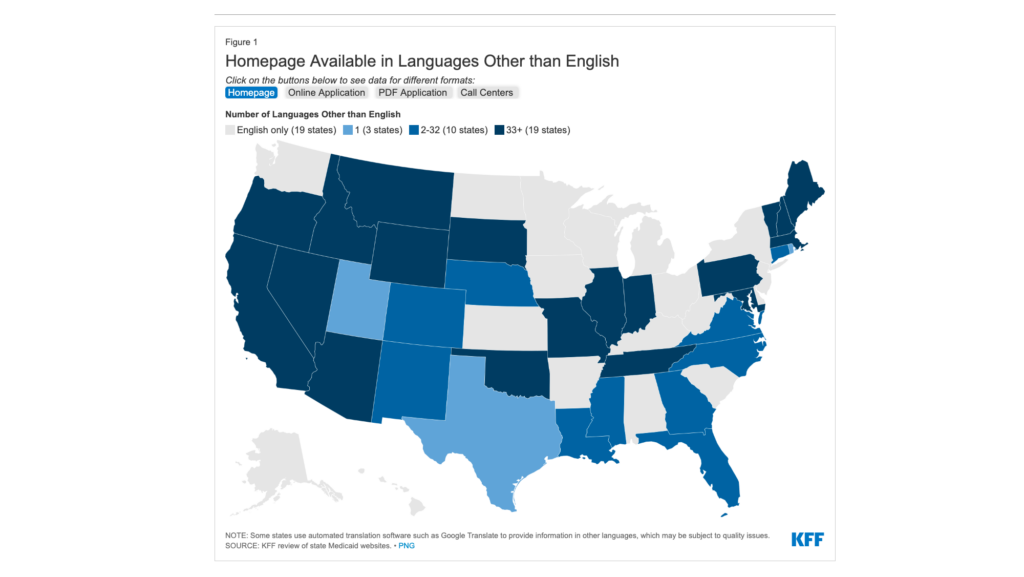
While most states provide basic digital accessibility, this review warns that persistent gaps in language services and disability accommodations create significant barriers for enrollees as pandemic-era Medicaid protections expire.
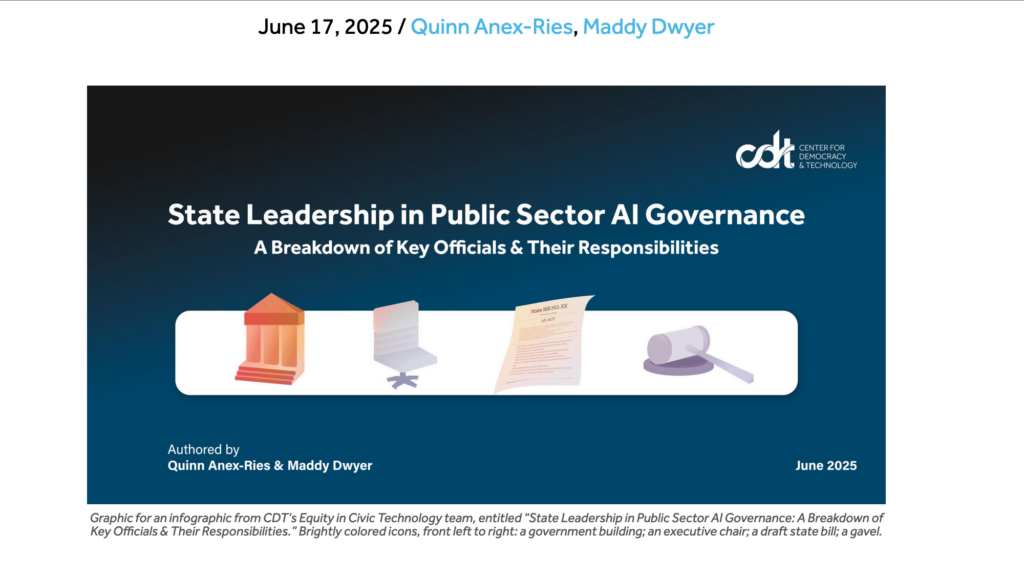
An infographic-style brief that maps the roles and responsibilities of key state leaders involved in governing the development, acquisition, use, and oversight of artificial intelligence in public-sector programs.
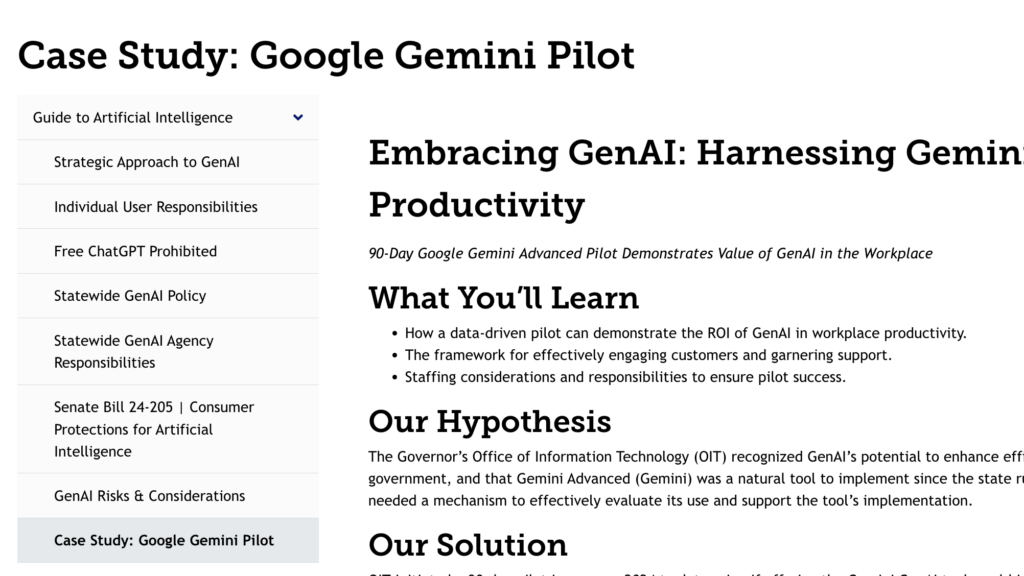
A case study describing how a 90-day generative AI (GenAI) pilot using Google’s Gemini tool was conducted across state agencies to assess productivity, creativity, and responsible use in government work.
Colorado Governor's Office of Information Technology (OIT)
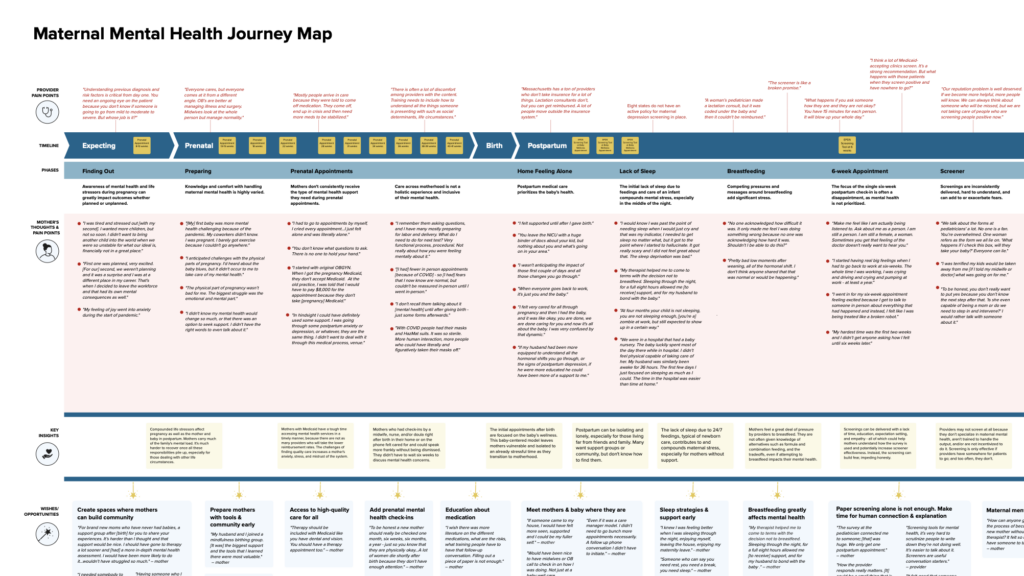
This research visualizes the complex emotional and clinical stages of the maternal mental health experience, from initial pregnancy through postpartum recovery and the return to work.
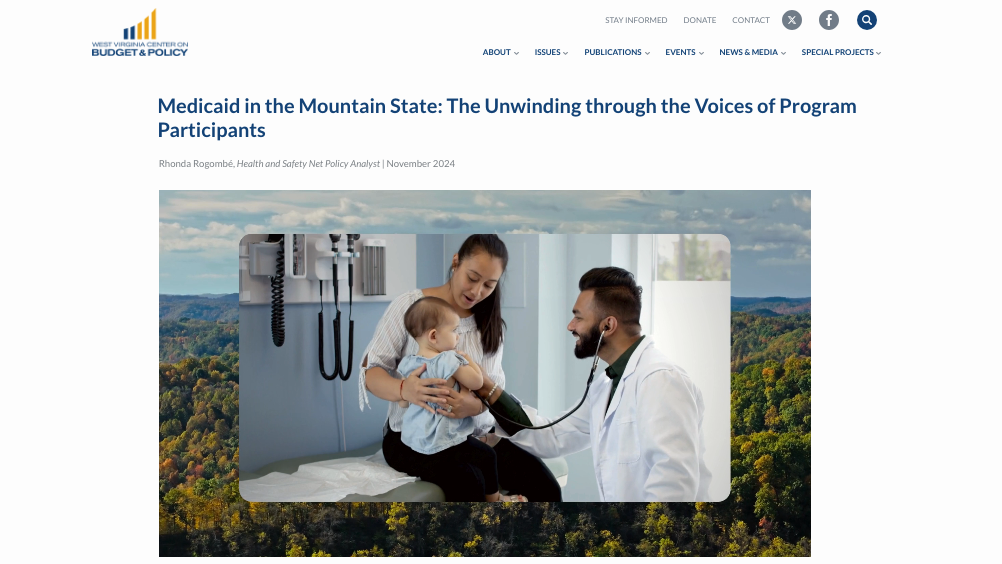
This resource examines the role of Medicaid in West Virginia and documents how the post-pandemic Medicaid “unwinding” process affected residents, highlighting participant experiences and the program’s importance for health and economic stability.