A policy guidance document outlining practical steps states can take to reduce harm to immigrant communities following major Medicaid eligibility restrictions enacted under federal budget reconciliation legislation.
A nationwide survey capturing how state chief data officers are structured, resourced, and operating, and how the role is evolving to support data-driven government.
National Association of State Chief Information Officers (NASCIO)
The GitHub repository for the open-source software and tools developed by the Digital Service at CMS to support modernizing healthcare systems and improving open-source project practices.
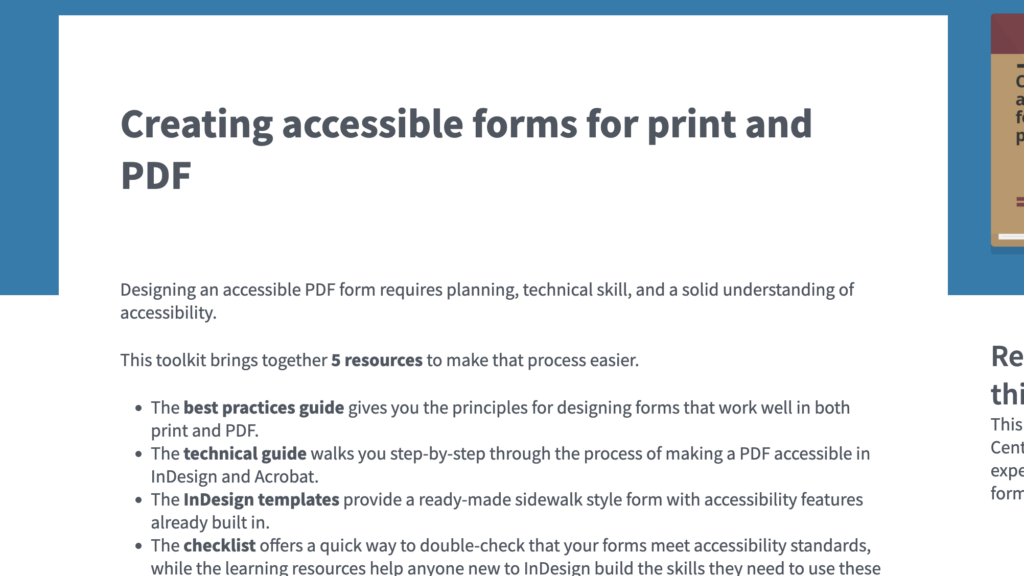
A practical toolkit that guides teams through designing and building accessible forms in print and PDF formats that are usable by people with disabilities and meet accessibility standards.
An online course that introduces core concepts of web accessibility, including why it matters, key standards, and how to make digital content accessible to a wider range of people and situations.
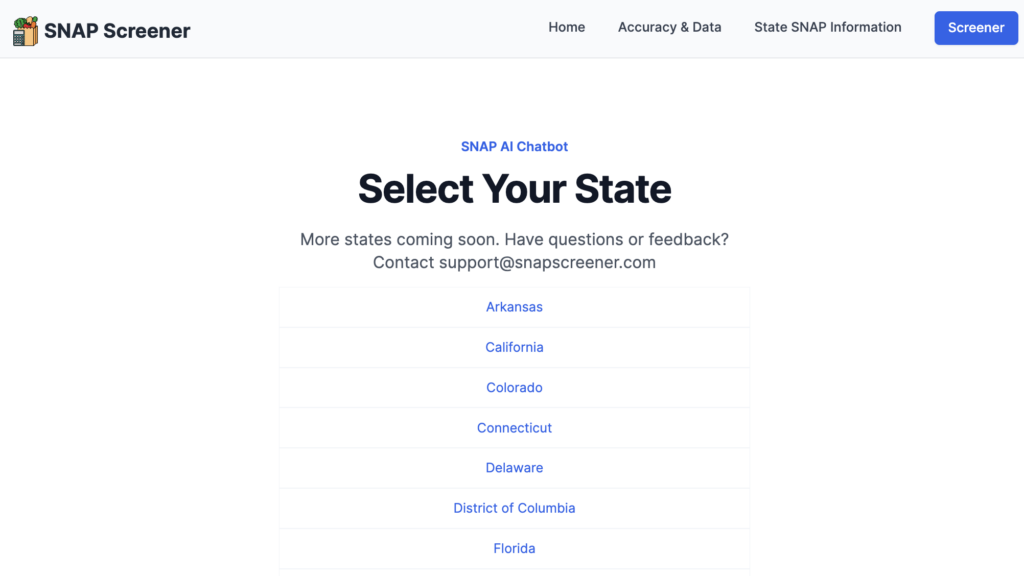
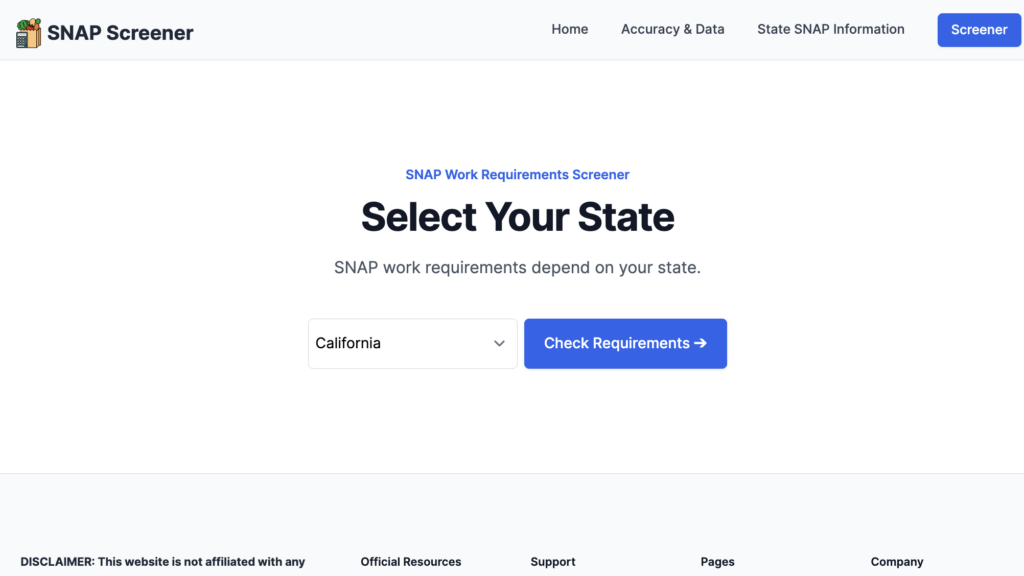
An interactive chatbot that helps SNAP participants and the public ask questions and receive guidance about SNAP work and community engagement requirements in conversational form.
A case study explaining how a predictive, data-driven machine-learning model was developed to detect unauthorized cash benefit withdrawals more quickly and accurately in California.
This publication explains current state integrated eligibility and enrollment (IEE) system implementation processes, approaches, and opportunities for future processes and technologies. It is a resource for state officials, advocates, funders, and tech partners working to implement these systems.
This publication summarizes a body of research about how state benefits administering agencies build and maintain integrated eligibility and enrollment (IEE) systems. It is an easy to reference guide for state administrators, legislators, advocates, and delivery partners.
A reusable UI design template showcasing key interface patterns, components, and layout structures for the Seattle Next Move digital service to support consistent, user-centered design across screens.