Intended Audience: State/Provincial Government: Agency
-
State of North Carolina Accessibility and Usability Standard
This standard offers guidance for designing and delivering websites and digital services to prioritize a digital-first public experience.
-

Executive Office of Technology Services and Security (EOTSS) Annual Report 2022: Digital and Data Services
This annual report details Massachusetts' strategic advancements in digital transformation, cybersecurity, and data services, emphasizing modernization efforts and enhanced constituent engagement.
-
2024 Edition: Account Creation and Identity Proofing in Online Special Supplemental Nutrition Program for Women, Infants, and Children (WIC) Applications
This page includes data and observations about account creation and identity proofing steps specifically for online applications that include WIC.
-
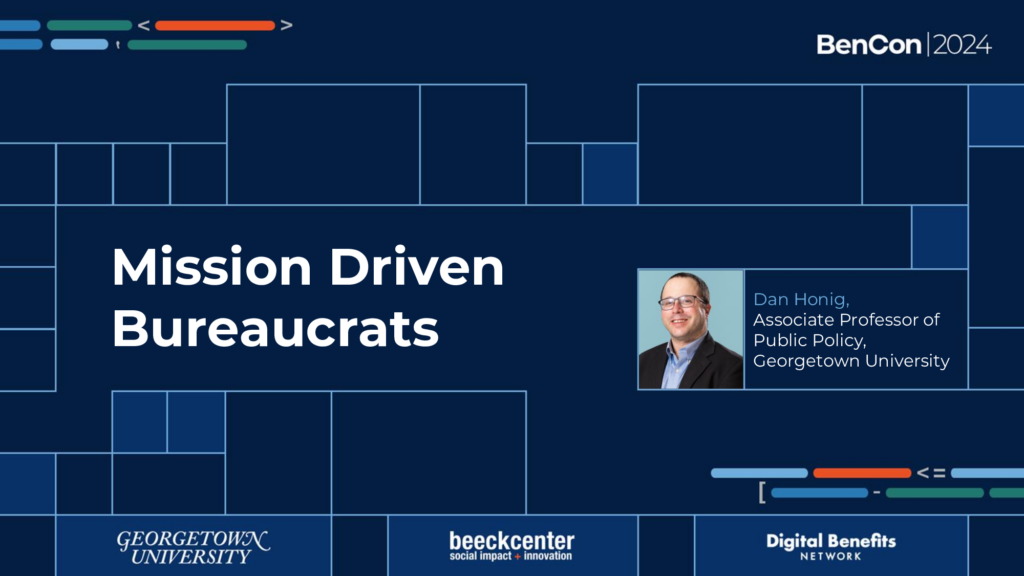
Mission Driven Bureaucrats at BenCon 2024
This talk explores how empowering public servants and fostering a sense of purpose, rather than stricter controls, is key to improving government.
-
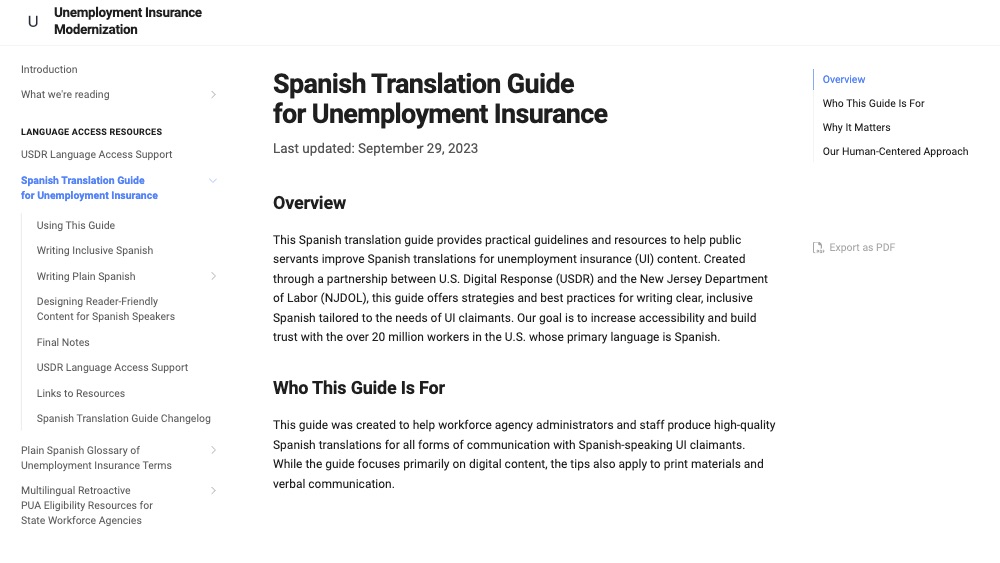
Spanish Translation Guide for Unemployment Insurance
Guidelines and resources to help improve Spanish translations for unemployment insurance (UI) content
-
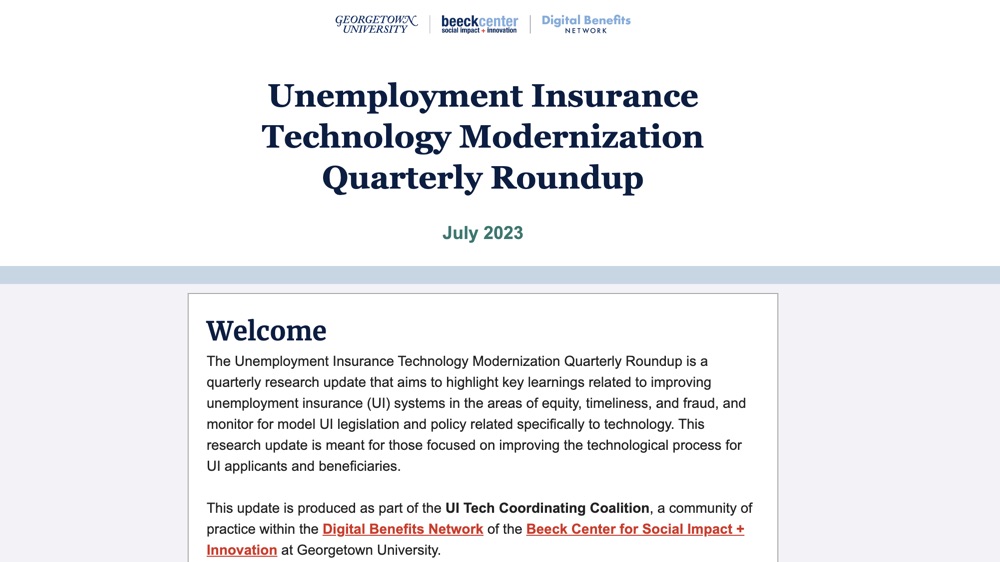
Unemployment Insurance Technology Modernization Quarterly Roundup
This quarterly research update aims to highlight key learnings related to improving unemployment insurance (UI) systems in the areas of equity, timeliness, and fraud, and monitor for model UI legislation and policy related specifically to technology. Subscribe to receive future editions.
-
Wielding a Theory of Change for Digital Transformation in Government
This essay explores how a ToC is made explicit with various audiences.
-

Product Manager
This is a job description for the role of Product Manager from the New Jersey Office of Innovation.
-
Director of Digital Practice
This is a job description for the role of Director of Digital Practice from the Canadian Digital Service (CDS).
-

Product Manager
This is a job description for the role of Product Manager from the Canadian Digital Service (CDS).
-
Head of Outreach
This is a job description for the role of Head of Outreach from the Canadian Digital Service (CDS).
-
Administrative Officer – Internal Operations
This is a job description for the role of Administrative Officer - Internal Operations from the Canadian Digital Service (CDS).