The strategic plan outlines intentions to responsibly leverage artificial intelligence (AI) to enhance health, human services, and public health by promoting innovation, ethical use, and equitable access across various sectors, while managing associated risks.
U.S. Department of Health and Human Services (HHS)
This report provides a comprehensive analysis of administrative burdens, offering strategies to reduce unnecessary obstacles in public service delivery, with a focus on improving access to government services for underserved and marginalized populations.
The Digital Benefit Network's Digital Identity Community of Practice held a session to hear considerations from civil rights technologists and human-centered design practitioners on ways to ensure program security while simultaneously promoting equity, enabling accessibility, and minimizing bias.
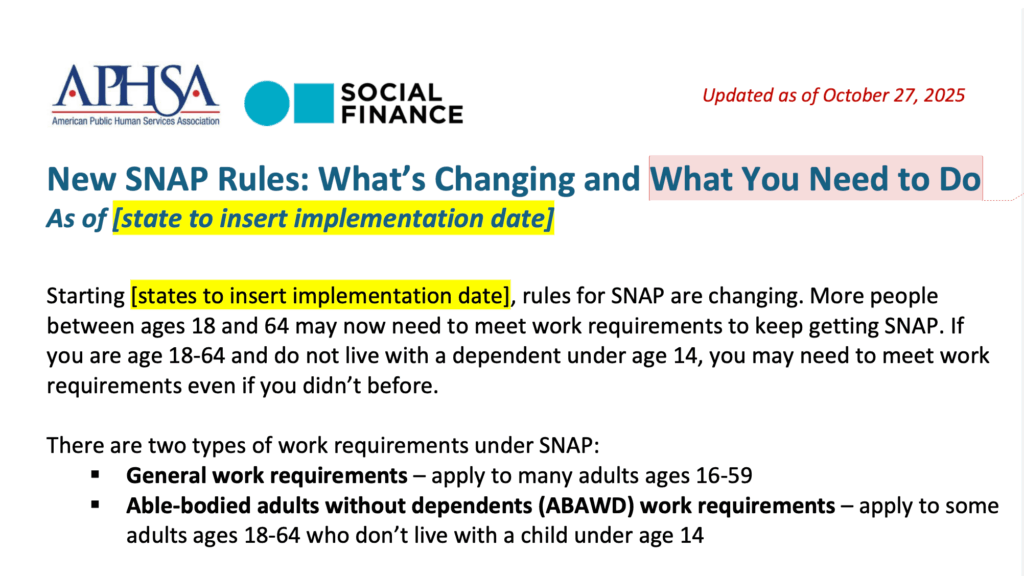
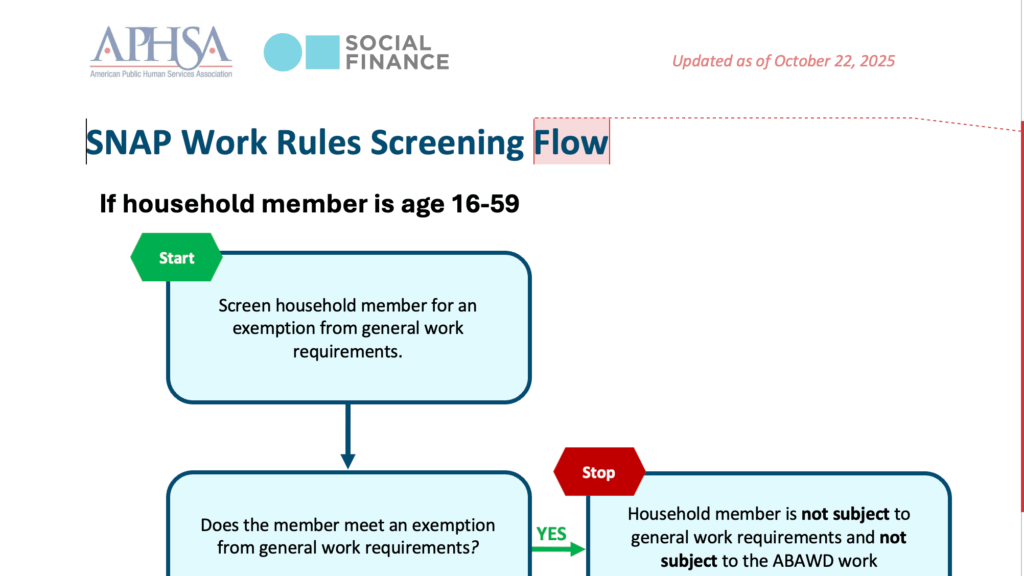
This report documents four experiments exploring if AI can be used to expedite the translation of SNAP and Medicaid policies into software code for implementation in public benefits eligibility and enrollment systems under a Rules as Code approach.
This resource provides updated draft digital identity guidelines for identity proofing, authentication, and federation, aiming to improve security, privacy, usability, and equity in digital identity systems.
This guide provides practical financing strategies for governments to build, maintain, and expand integrated data systems (IDS) and evaluation capacity using federal and non-federal funding sources.
This annual report highlights the department’s progress in expanding broadband access, enhancing cybersecurity, modernizing IT services, and promoting digital equity across the state.
North Carolina Department of Information Technology (NCDIT)
This framework provides voluntary guidance to help employers use AI hiring technology in ways that are inclusive of people with disabilities, while aligning with federal risk management standards.
This one-pager introduces Iowa’s Child Care Data Dashboards, which provide near real-time insights into child care supply, demand, and vacancies to support data-informed planning across the state.
This guide introduces privacy-enhancing technologies (PETs) and provides practical guidance for government agencies on selecting and implementing them to securely use, share, and protect sensitive data.