The COVID Response Project was funded by the W.K. Kellogg Foundation to document the real-time impacts of the COVID-19 pandemic on state human services agencies and capture state perspectives on lessons learned to guide future federal policymaking and state implementation. The project was completed by the American Public Human Services Association (APHSA) in partnership with the U.S. Department of Health and Human Services, Administration for Children and Families (ACF), Office of Regional Operations. Insights from the report reflect information obtained through APHSA’s on-going support of state human services agencies’ COVID-19 response efforts as well as a series of in-depth interviews with executive leadership of the 14 state health and human services agencies in ACF’s Region 1 (New England) and Region 4 (Southeast) areas.
American Public Human Services Association (APHSA)
The Advancing Economic Mobility for Low-Income Families report, published by the National Governors Association (NGA) Center for Best Practices, provides policy options for governors to strengthen economic security, workforce participation, and wealth-building opportunities for low-income families.
This report outlines the guiding principles, policy priorities, and tools for the National Collaborative for Integration of Health and Human Services, aimed at improving health and well-being outcomes through the integration of health care and human services programs.
American Public Human Services Association (APHSA)
This strategy document establishes a governance framework and roadmap to ensure responsible, trustworthy, and effective AI use across Canadian federal institutions.
These standardized guidelines are intended to manage data quality across Hawaii state agencies, covering key dimensions, compliance expectations, and best practices for both general and geospatial data.
This policy brief outlines how extending postpartum Medicaid and CHIP coverage can improve maternal health outcomes, reduce disparities, and strengthen continuity of care during the critical first year after childbirth.
A framework that helps policy and digital service teams interpret legislation by identifying user needs, intent, and implementation challenges to support more effective, human-centered government service delivery.
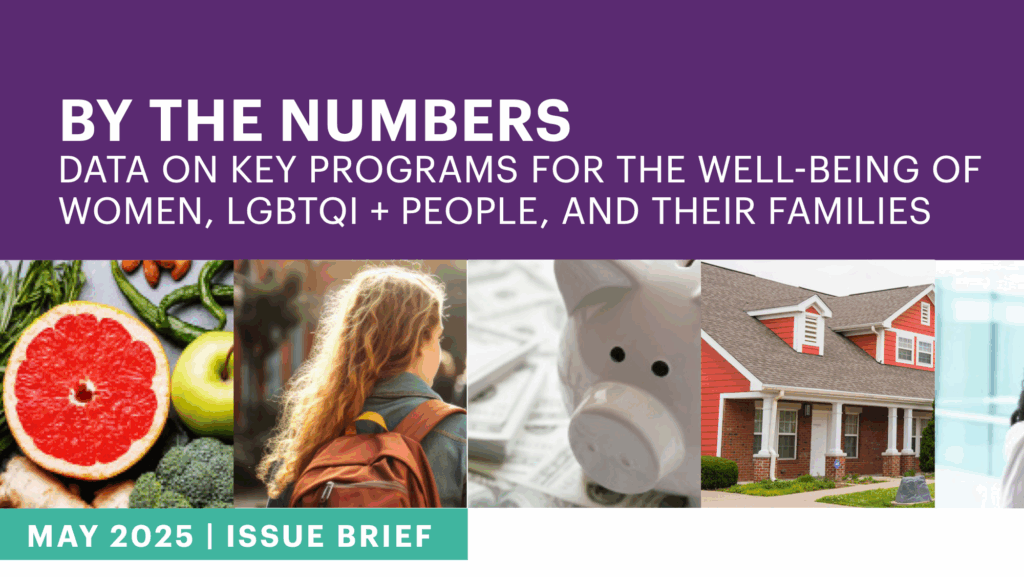
A data report providing updated statistics on key federal programs that support the well-being of women, LGBTQI+ individuals, and their families, highlighting trends, coverage gaps, and areas for policy improvement.
An analysis showing that a proposed plan to shift some cost of SNAP benefits to states could push nearly 900,000 additional people into poverty during a recession.
Digital IDs can improve convenience, but they risk surveillance, data misuse, and exclusion if not designed with privacy, security, and accessibility safeguards.
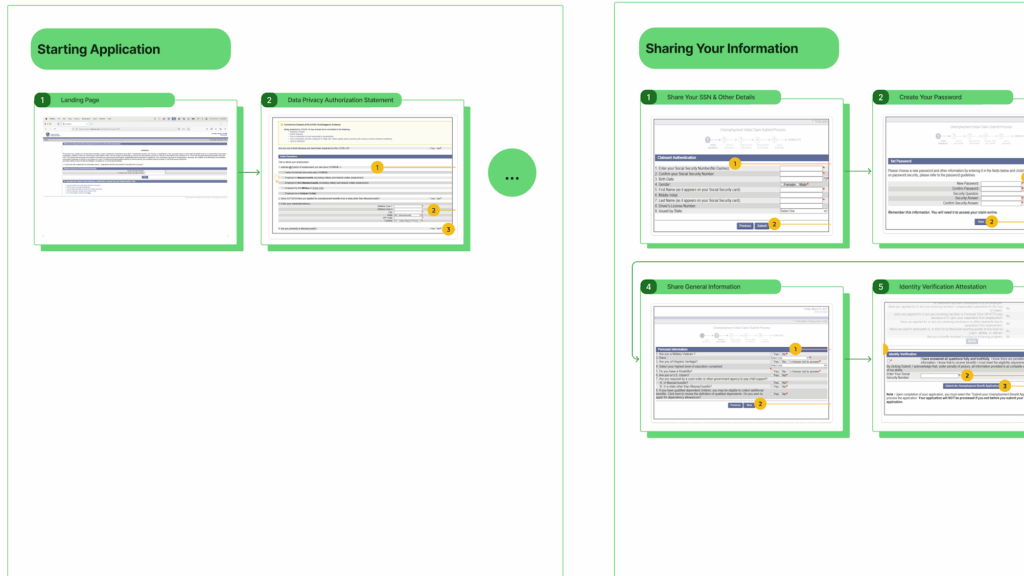
Created for use in the Digital Doorways research project, this design stimuli shows the steps of submitting an application, sharing personal information, and verifying identity for Massachusetts' online application for Unemployment Insurance.