This publication explains the fundamentals of state IEE systems—including the technology, opportunities, risks, and stakeholders involved. It is a resource for state officials, advocates, funders, and tech partners working to implement these systems.
An online course that introduces core concepts of web accessibility, including why it matters, key standards, and how to make digital content accessible to a wider range of people and situations.
An overview video describing the Digital Identity Risk Management process outlined in NIST's Digital Identity Guidelines, which organizations can use to develop a risk-based approach to identity management.
This publication explains current state integrated eligibility and enrollment (IEE) system implementation processes, approaches, and opportunities for future processes and technologies. It is a resource for state officials, advocates, funders, and tech partners working to implement these systems.
This publication summarizes a body of research about how state benefits administering agencies build and maintain integrated eligibility and enrollment (IEE) systems. It is an easy to reference guide for state administrators, legislators, advocates, and delivery partners.
This resource provides state agencies and their implementation partners with context on how and why to conduct a Digital Identity Risk Management (DIRM) process, as well as a new spreadsheet-based tool to guide agency teams through the process.
A comprehensive report outlining a student-led strategy to improve access to mental health supports through prevention, early intervention, and treatment across schools and community partners.
A research report examining how privacy and security risks are unevenly experienced across socioeconomic, racial, and ethnic groups, and how digital inequality shapes people’s exposure to harm and access to protective resources.
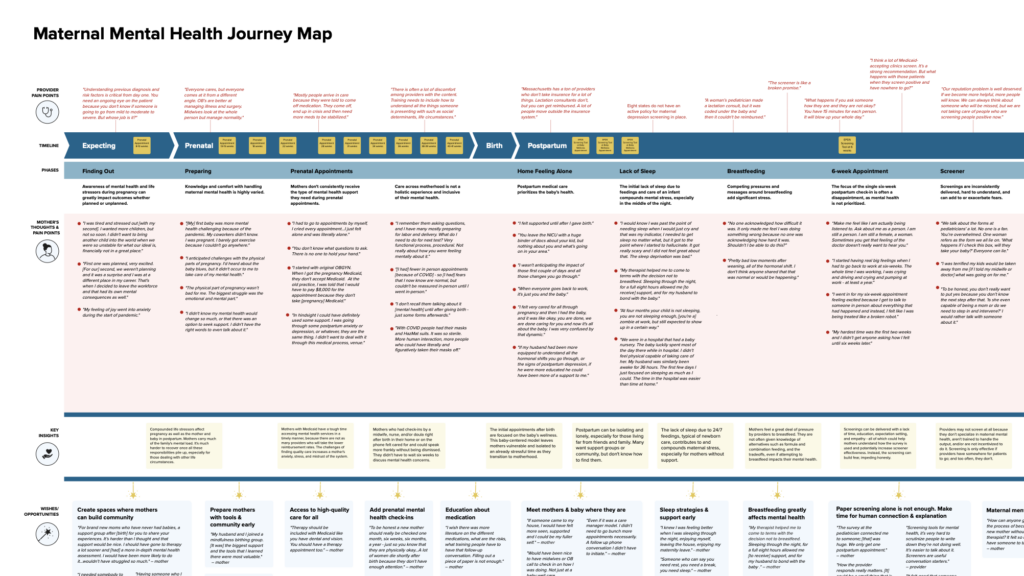
This research visualizes the complex emotional and clinical stages of the maternal mental health experience, from initial pregnancy through postpartum recovery and the return to work.
A blog recap of a FormFest session on improving digital form accessibility, with a focus on accessible error handling and WCAG 2.1 compliance under Title II requirements.
A tool for CDOs advocating for funding, authority, and expansion—and a primer for government leaders unfamiliar with the role. The report establishes shared vocabulary, identifies six CDO office archetypes, and offers cross-state insights on structures, priorities, and challenges.