Led by the Digital Benefits Network in partnership with Public Policy Lab, the Digital Doorways research project amplifies the lived experiences of beneficiaries to provides new insights into people’s experiences with digital identity processes and technology in public benefits. This executive summary gives an overview of the project’s findings.
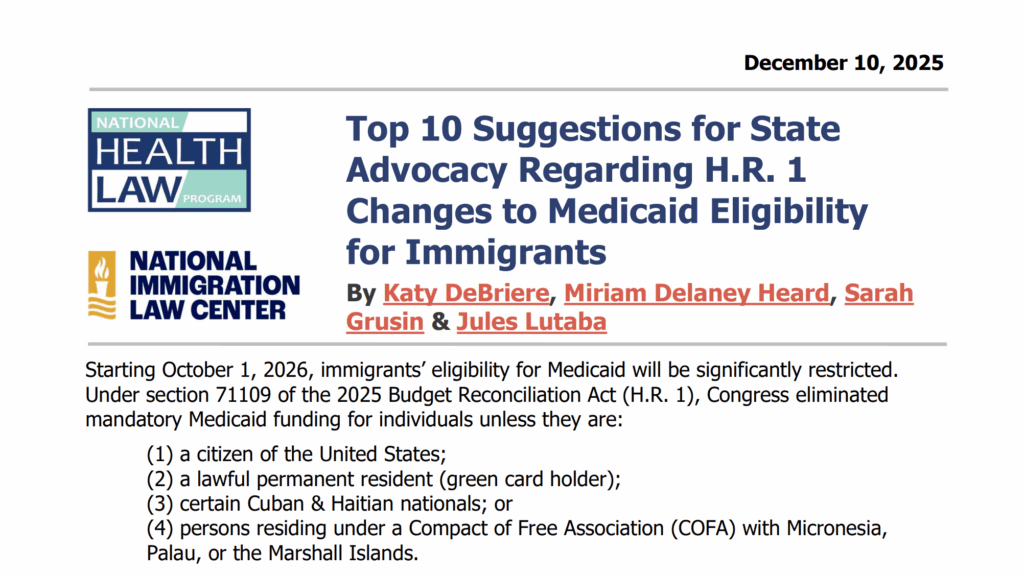
A policy guidance document outlining practical steps states can take to reduce harm to immigrant communities following major Medicaid eligibility restrictions enacted under federal budget reconciliation legislation.
This report explores the role that academic and corporate Research Ethics Committees play in evaluating AI and data science research for ethical issues, and also investigates the kinds of common challenges these bodies face.
On July 16, members of the Digital Identity Community of practice gathered to learn how peers are gathering beneficiary feedback on their experiences with accounts and proving their identity.
Led by the Digital Benefits Network in partnership with Public Policy Lab, the Digital Doorways research project amplifies the lived experiences of beneficiaries to provide new insights into people’s experiences with digital identity processes and technology in public benefits. This report details the project’s findings, directly highlighting the voices of beneficiaries through videos and photos.
This report summarizes insights from interviews with seven states on how they are adapting integrated eligibility and enrollment (IEE) systems in response to sweeping federal changes to SNAP and Medicaid under H.R. 1.
This report analyzes the critical role of SNAP’s "broad-based categorical eligibility" (BBCE) policy and the widespread consequences of its potential elimination by the Trump Administration.