This panel discussion from the Academy's 2025 Policy Summit explores the intersection of artificial intelligence (AI) and public benefits, examining how technological advancements are influencing policy decisions and the delivery of social services.
This article details the collaboration between Miami-Dade County, community partners, and technologists to enhance climate resilience by allowing residents to report and access information on extreme heat conditions affecting their commutes.
This article examines how the City of Long Beach, California, collaborated with TOPC to develop a digital tool aimed at enhancing community engagement and expanding urban tree canopy coverage.
This roadmap outlines NYC’s strategy to achieve digital equity by expanding broadband access, improving digital literacy, and fostering cross-agency coordination.
A report assessing City of San José's AI governance practices against the NIST AI Risk Management Framework, identifying gaps, and outlining recommendations to strengthen AI oversight and accountability.
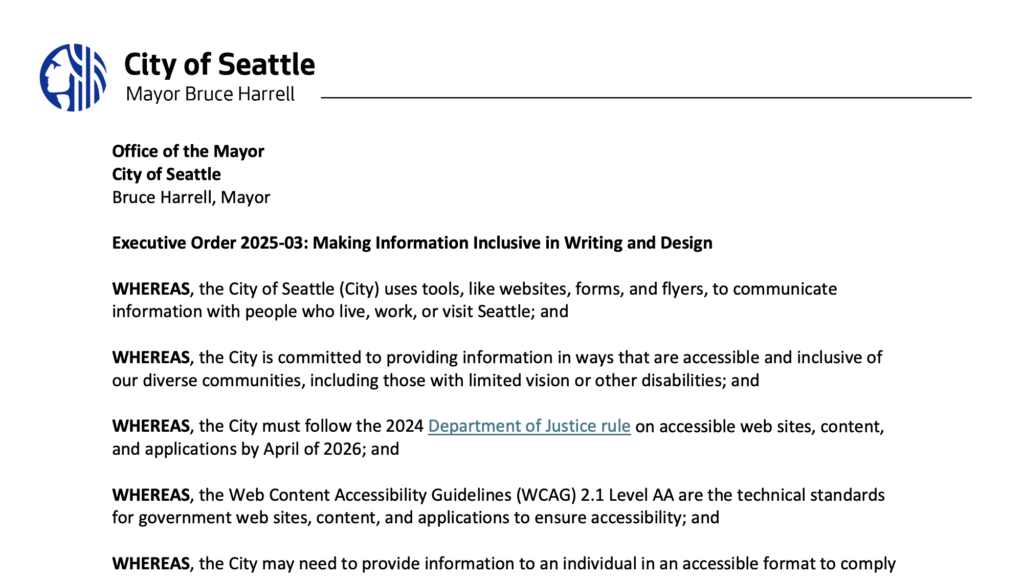
This Executive Order mandates citywide actions to make government information more inclusive, accessible, and understandable through digital accessibility and plain language initiatives.
This report outlines best practices for developing transparent, accessible, and standardized public sector AI use case inventories across federal, state, and local governments
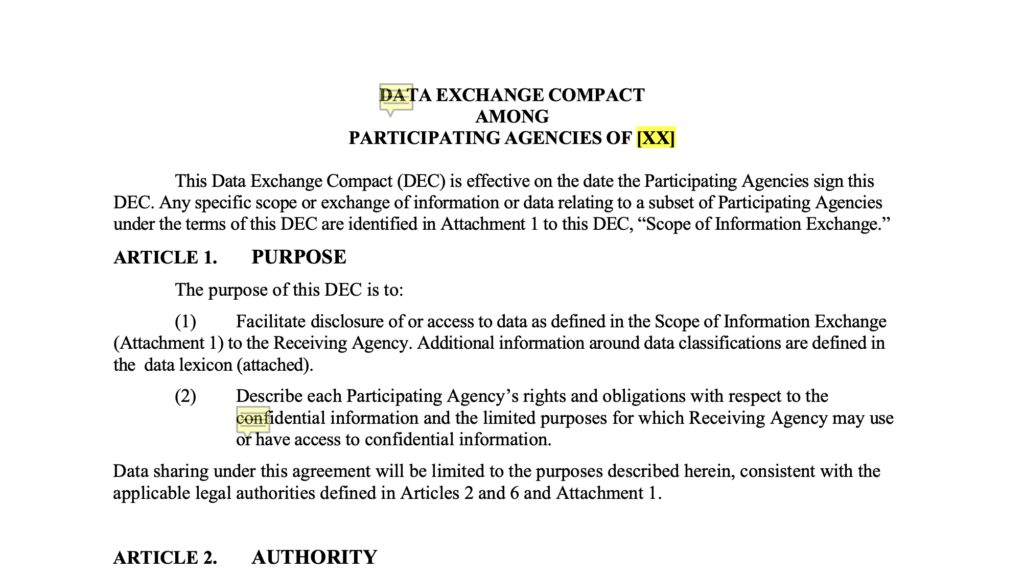
A comprehensive template for establishing legally compliant data-sharing agreements between government agencies, defining authorized purposes, privacy protections, security requirements, and governance responsibilities.
A research report that defines different local early childhood governance models and explains how communities can choose and design governance structures to support effective early care and education systems.