The 2022 Dobbs v. Jackson decision overturned Roe v. Wade, leading 21 states to ban or heavily restrict abortion, exacerbating economic and health challenges for women denied care while these states also often lack supportive policies like paid leave, fair wages, and accessible public benefits for growing families.
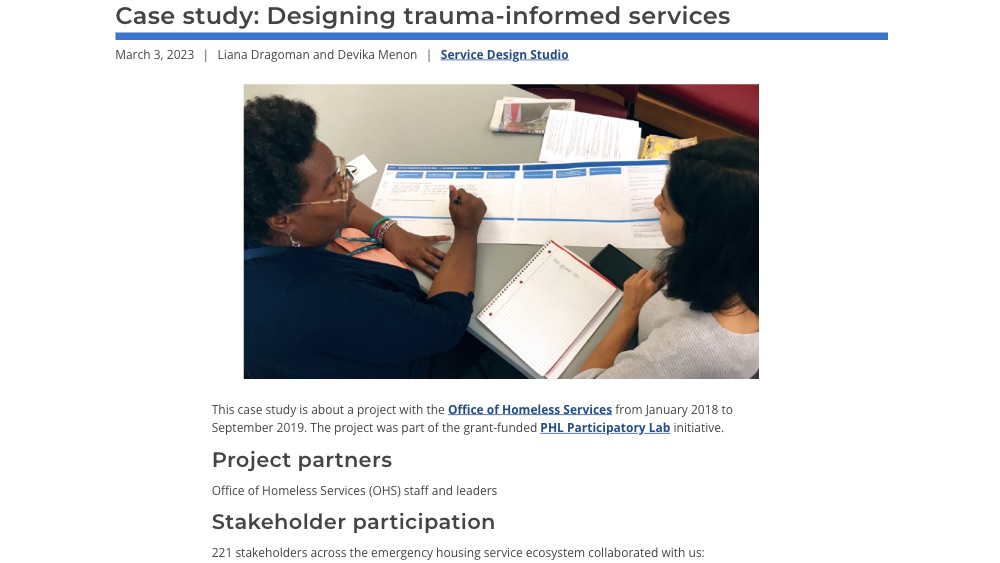
This study describes the potential of human-centered design principles to identify burdens, reducing the effects of what we label as administrative checkpoints.
This Executive Order mandates citywide actions to make government information more inclusive, accessible, and understandable through digital accessibility and plain language initiatives.
A toolkit that outlines seven practical steps for government agencies to build or strengthen a communications program aligned with audience needs and organizational goals.
Led by the Digital Benefits Network in partnership with Public Policy Lab, the Digital Doorways research project amplifies the lived experiences of beneficiaries to provides new insights into people’s experiences with digital identity processes and technology in public benefits. This executive summary gives an overview of the project’s findings.
A comprehensive guide that provides role definitions, hiring guidance, interview materials, and evaluation rubrics for building effective UX design and research teams.
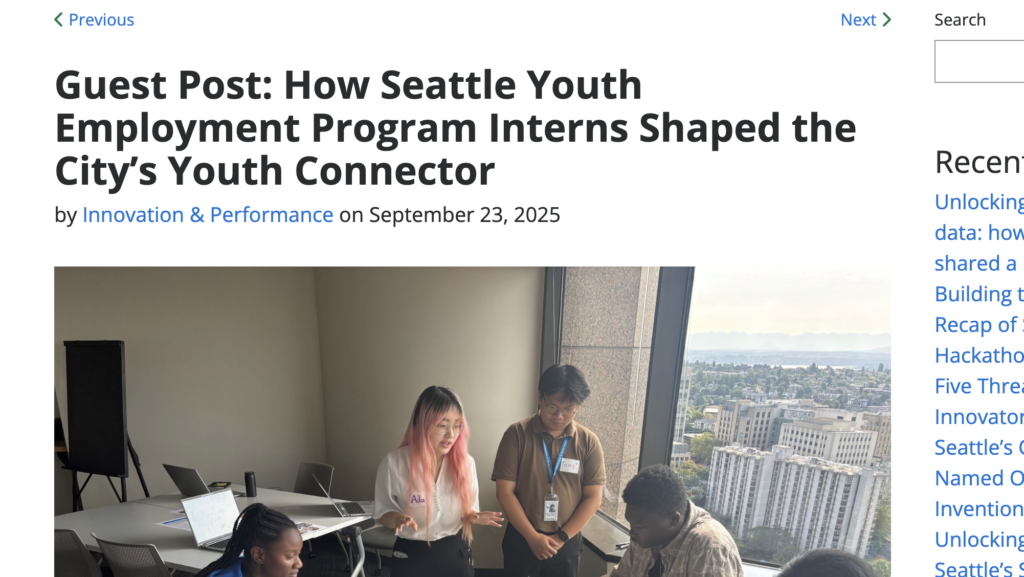
A blog post highlighting how youth employment interns contributed to shaping and co-designing the Youth Connector project by leading research, feedback sessions, and design testing to ensure the platform reflects youth needs.
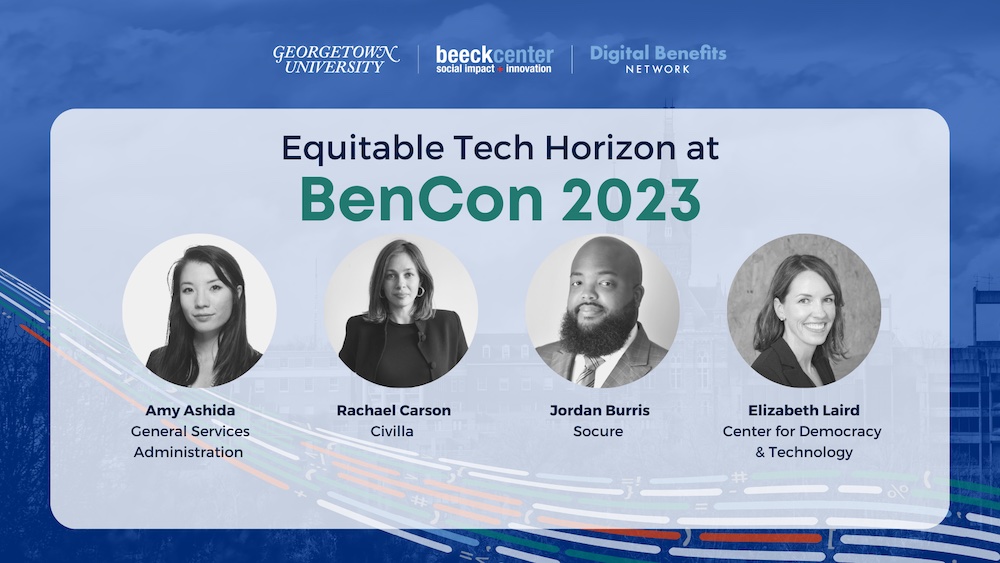
Hear perspectives on topics including centering beneficiaries and workers in new ways, digital service delivery, digital identity, and automation.This video was recorded at the Digital Benefits Conference (BenCon) on June 14, 2023.
Blog post authored by U.S. Digital Response discussing best practices for creating inclusive, accessible, and affirming government services for LGBTQ+ populations gleaned from their recent work in the City of Boston.