This post explores the lessons learned and opportunities for improvement from USDR's research on families' experiences as they navigate the child care journey.
This is the summary version of a report that documents four experiments exploring if AI can be used to expedite the translation of SNAP and Medicaid policies into software code for implementation in public benefits eligibility and enrollment systems under a Rules as Code approach.
This toolkit outlines actionable changes for government practitioners looking to improve the accuracy and accessibility of the questions on their forms that collect information about a user’s gender.
This case study explores how the City of Akron developed a community tree map to engage residents in urban forestry efforts, enabling them to identify, grow, and care for trees in their neighborhoods.
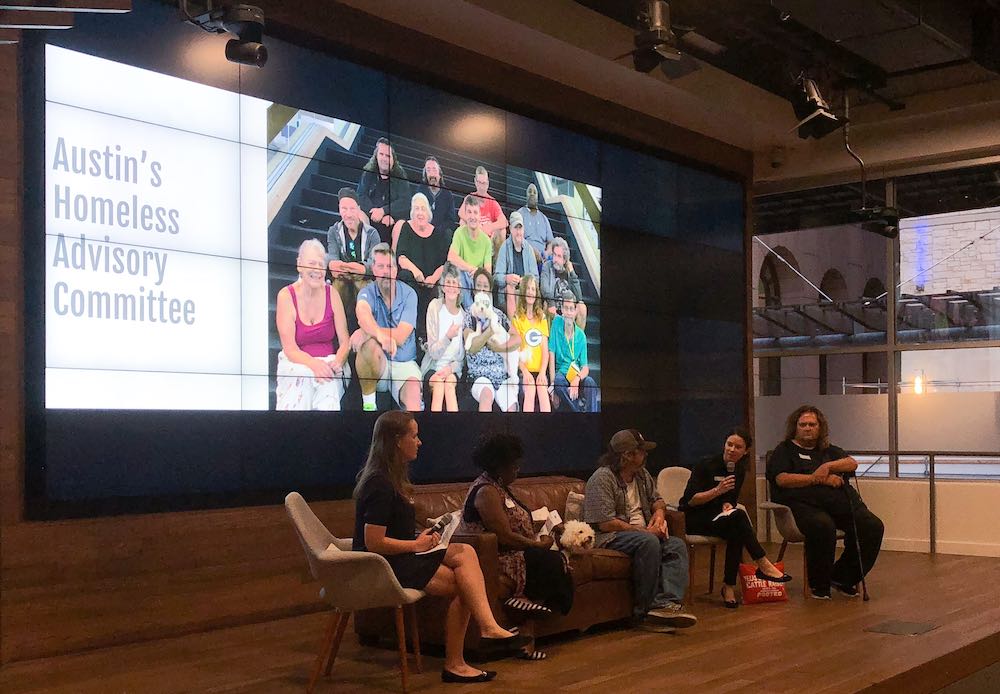
In Austin, there are over 2,000 individuals without a safe place to sleep. There are many reasons a person can become homeless, and these reasons range from the lack of affordable housing to the loss of family and community. In 2017, the Innovation Office secured a three-year $1.25m grant from Bloomberg Philanthropies to focus on the city's goal of ending homelessness. The grant funds an i-team to help the city identify the best ways for City Council, departments, and the community to collaborate towards a shared understanding of homelessness in Austin.
An event recap from one of FormFest 2024's breakout sessions featuring speakers from South Bend Indiana and others working on creating accessible legal forms.
This landscape analysis examines data, design, technology, and innovation-enabled approaches that make it easier for eligible people to enroll in, and receive, federally-funded social safety net benefits, with a focus on the earliest adaptations during the COVID-19 pandemic.