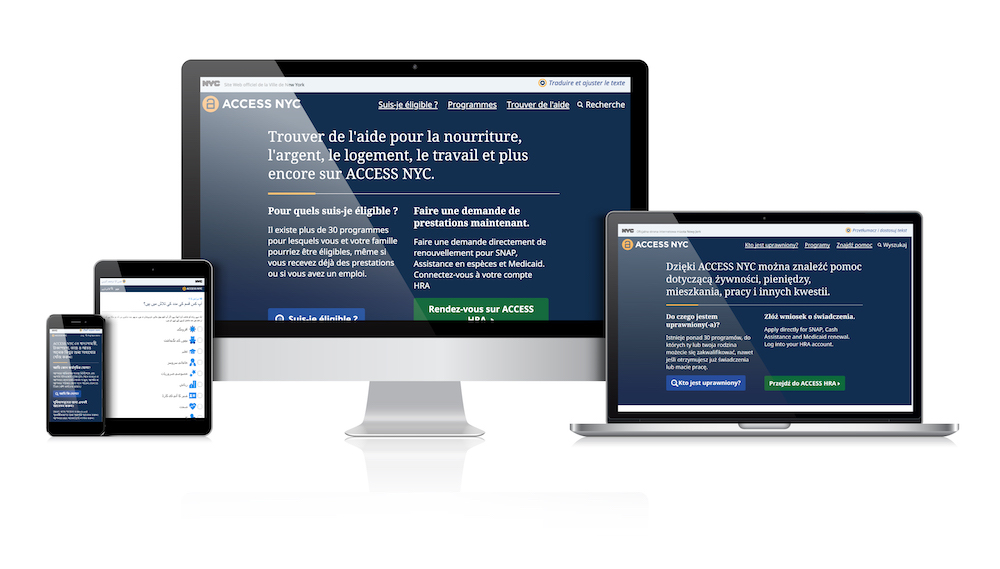
ACCESS NYC is an online public screening tool that residents can use to determine the City, State, and Federal health and human service benefit programs for which they are eligible.
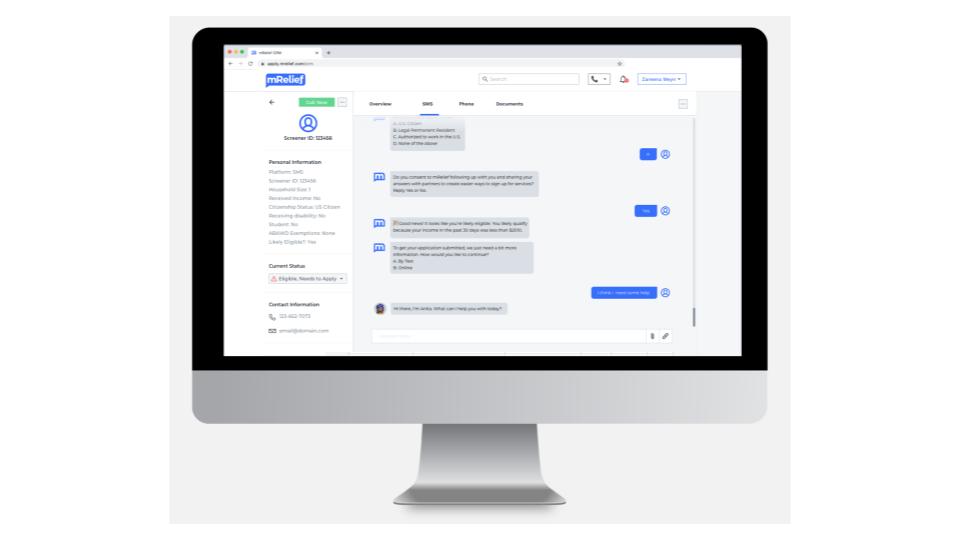
mRelief launches Johnnie, a platform that centers client dignity and enables client management from anywhere. Features include client communication mechanisms, assistance for document submission, keeping track of enrollment process, and tracking enrollment metrics.
This blog discusses the 988 Suicide and Crisis Lifeline, a nationwide initiative aimed at providing accessible, immediate support for individuals experiencing mental health crises through the easy-to-remember number 988.
A comprehensive series of workshops and courses designed to equip public sector professionals with the knowledge and skills to responsibly integrate AI technologies into government operations.
This blog explains how to provide culturally and linguistically appropriate services to individuals who have experienced trafficking, emphasizing the importance of cultural competence and the CLAS Standards.
U.S. Department of Health and Human Services (HHS)
Michigan's UIA director, Julia Dale, is leading the agency through transition by prioritizing lived experience, hope, grit, and values. Virginia's SNAP Program Manager, Michele Thomas, highlighted the success of Sun Bucks, a summer EBT child nutrition program that fed over 700,000 kids in its first year.
This mainstage session from FormFest 2024 included conversations about form design, accessibility, user experience, and data collection to show how good forms can build trust and confidence in government.
This study emphasizes the need for better tracking of gig economy data and qualitative insights, as interviews from the American Voices Project reveal how broader economic trends impacted individual lives and filled gaps during the pandemic.
The story of Andrew Petrisin and the FLOW system demonstrates how the U.S. DOT successfully overcame barriers in government tech by building a collaborative, user-centered logistics platform that provided value to stakeholders during the 2021 supply chain crisis.
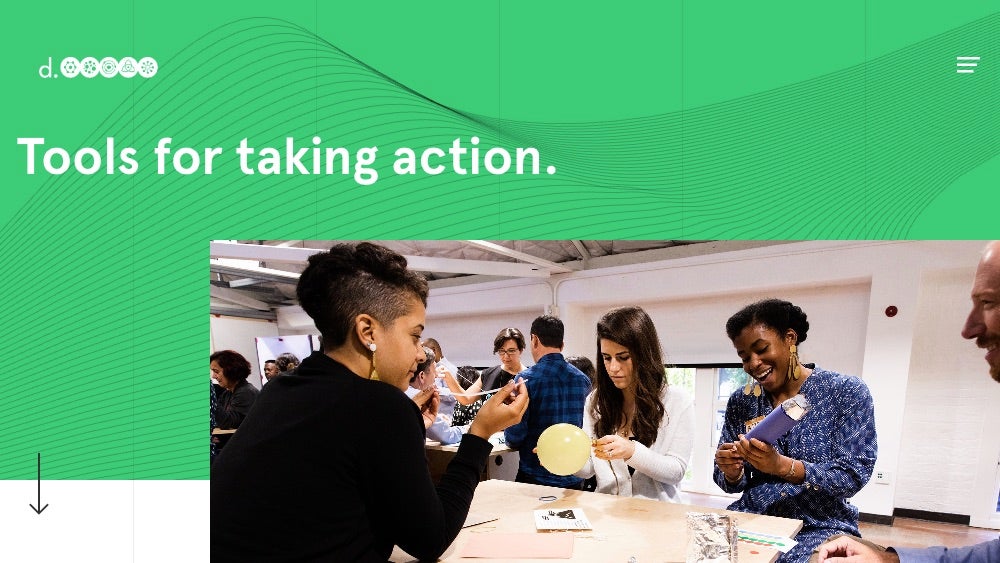
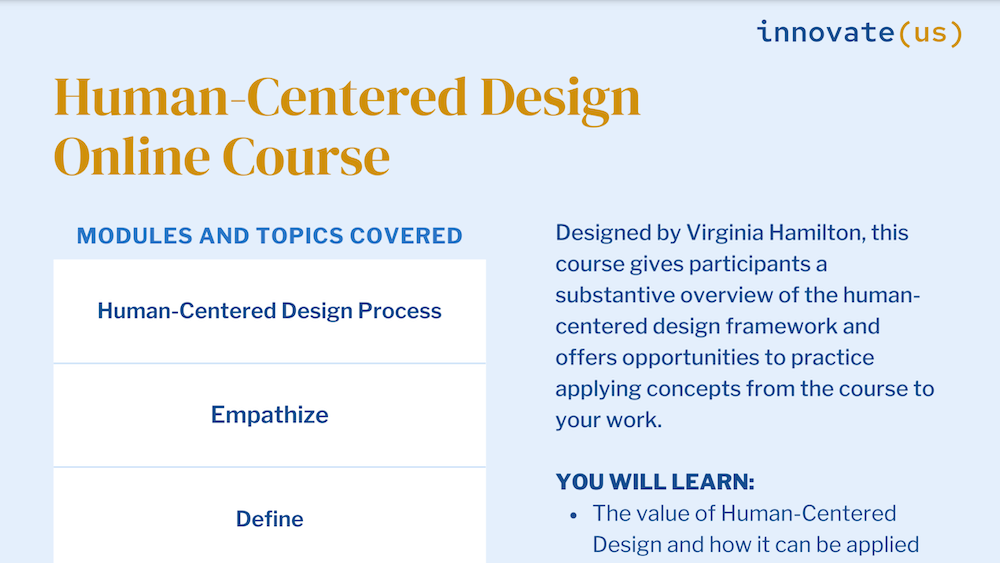
This course gives participants a substantive overview of the human-centered design framework and offers opportunities to practice applying concepts from the course to your work.