The guidelines for bias-free language contain both general guidelines for writing about people without bias across a range of topics and specific guidelines that address the individual characteristics of age, disability, gender, participation in research, racial and ethnic identity, sexual orientation, socioeconomic status, and intersectionality.
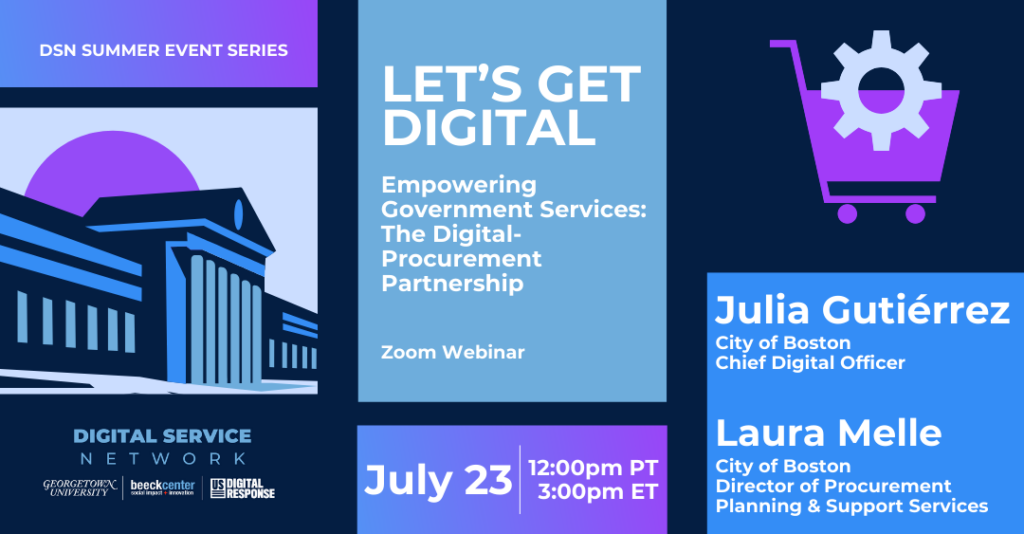
The second event in the Digital Service Network’s summer event series, Let’s Get Digital, focused on the City of Boston’s transformative journey to streamline its procurement processes.
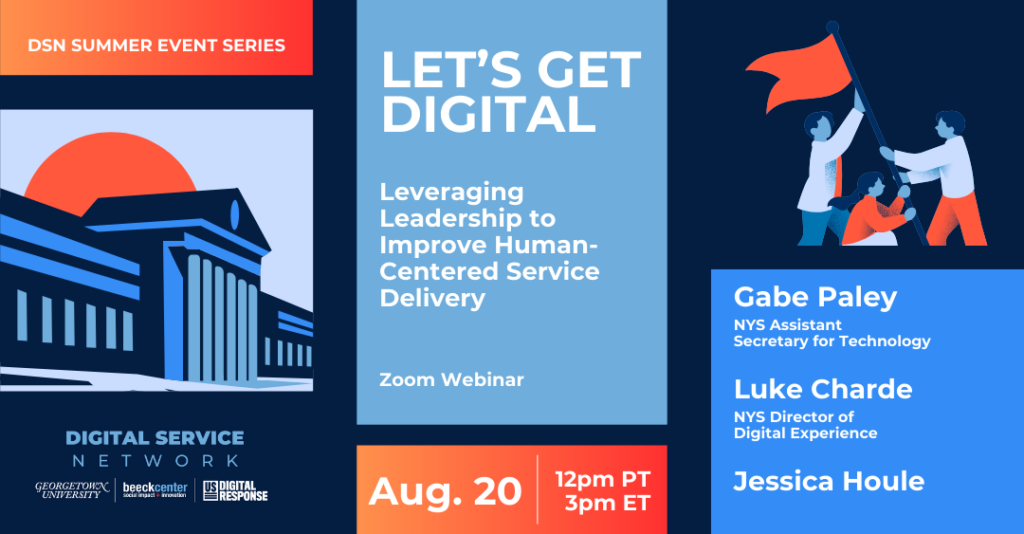
For the Digital Service Network’s (DSN) final installment of its summer event series, Let’s Get Digital, we heard about New York State’s (NYS) human-centered design (HCD) journey and how relationships between leadership and digital service teams have been pivotal in advancing user-centric service delivery.
A modification of Bolder Advocacy’s ACT!Quick capacity self-assessment tool to incorporate additional equity-centered capacities, engage community authentically, and conduct research in culturally responsive ways.
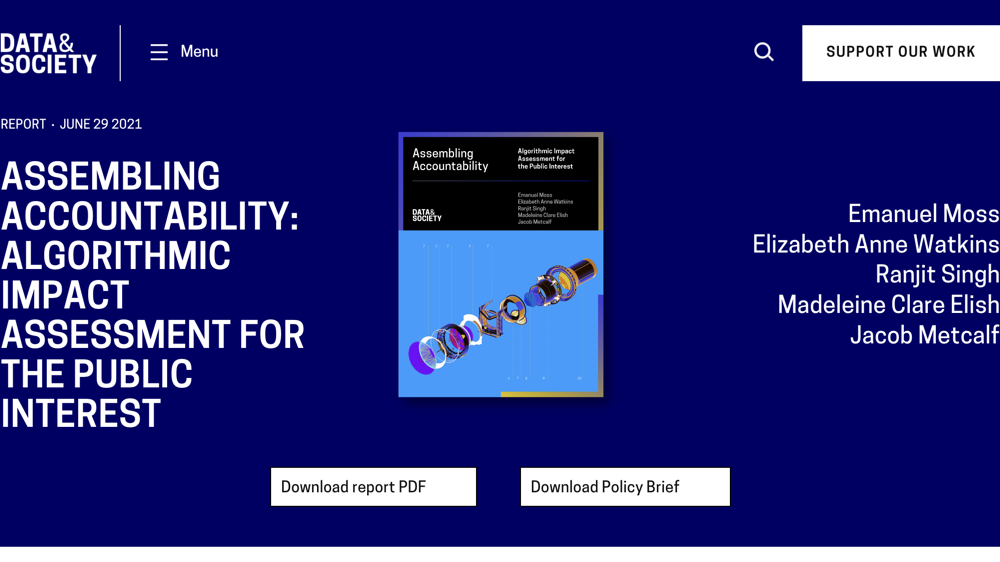
This report offers a critical framework for designing algorithmic impact assessments (AIAs) by drawing lessons from existing impact assessments in areas like environment, privacy, and human rights to ensure accountability and reduce algorithmic harms.
An academic research paper introducing SHADES, a multilingual benchmark designed to evaluate how large language models (LLMs) generate and reinforce stereotypes across different languages and cultural contexts.