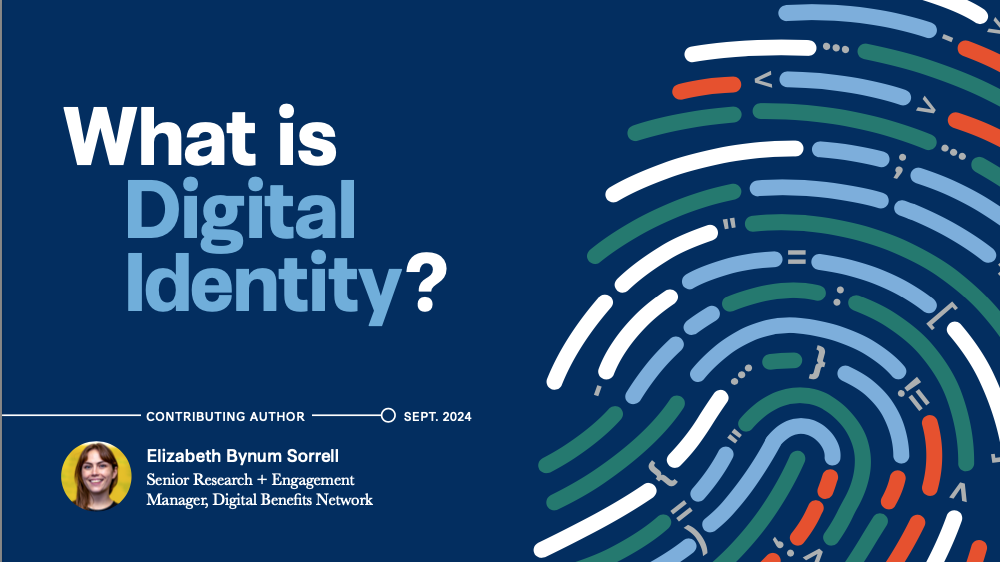
In this updated primer, the DBN introduces the concept of digital identity, and provides brief snapshots of digital identity-related developments internationally and in the U.S.
This Urban Institute report highlights how immigrant and mixed-status families continued to avoid safety net programs in 2023 due to lingering fears around the public charge rule.
This paper concludes that the substantial COVID-19 unemployment insurance expansion had limited disincentive effects on job searches, particularly among lower-income individuals, despite high wage replacement rates.
Closing the Medicaid coverage gap could significantly reduce healthcare disparities as 65% of those affected are people of color, specifically impacting low-wage workers and caregivers who often experience economic and health vulnerabilities.
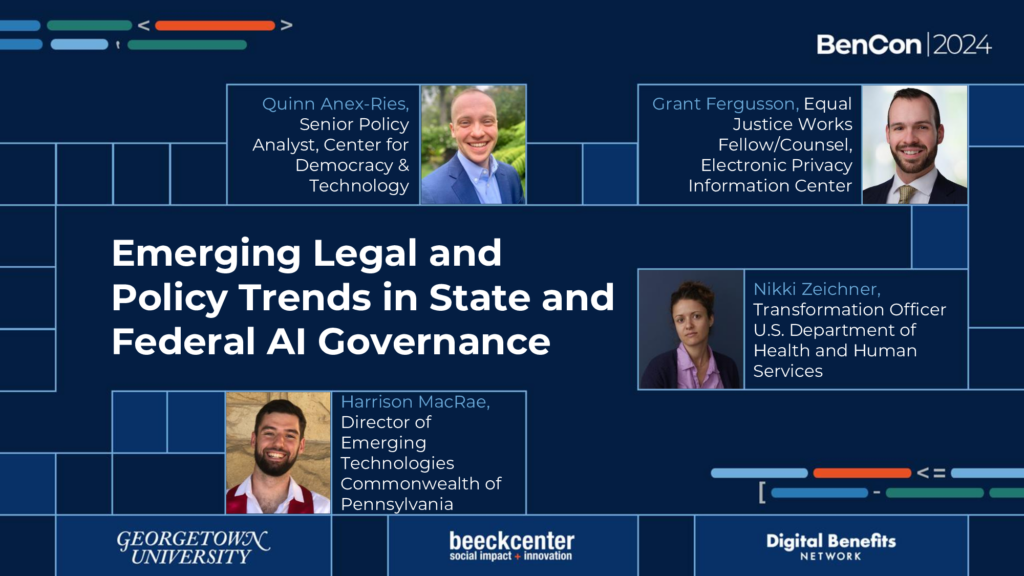
BenCon 2024 explored state and federal AI governance, highlighting the rapid increase in AI-related legislation and executive orders. Panelists emphasized the importance of experimentation, learning, and collaboration between government levels, teams, agencies, and external partners.
This article explores how AI and Rules as Code are turning law into automated systems, including how governance focused on transparency, explainability, and risk management can ensure these digital legal frameworks stay reliable and fair.
This research study analyzes the structural and budgetary layout of eleven US-based Digital Service Teams (DSTs) at the municipal, county, and state levels. In doing so, it sets out to answer the research question: “How are digital service teams structured and funded?”
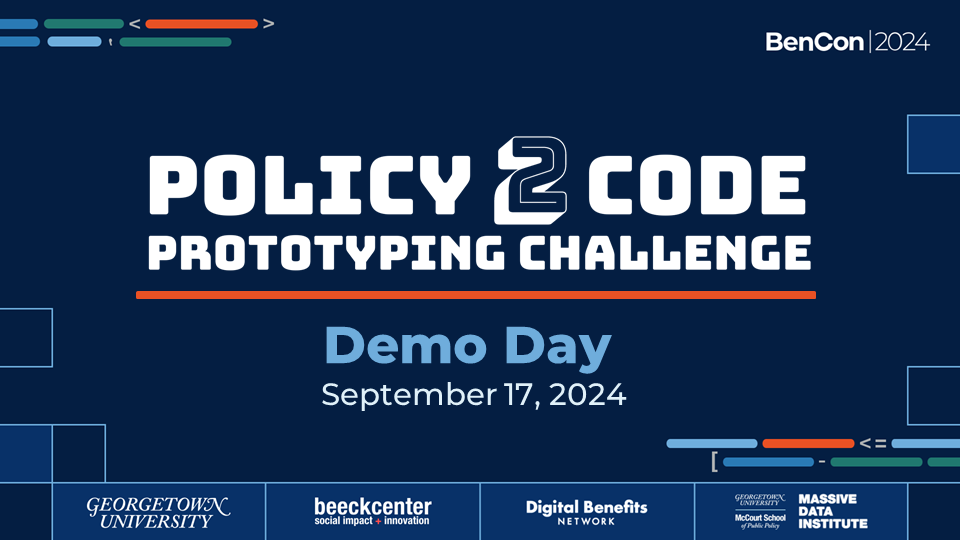
The Policy2Code Prototyping Challenge explored utilizing generative AI technology to translate U.S. government policies for public benefits into plain language and code, culminating in a Demo Day where twelve teams showcased their projects for feedback and evaluation.
This study highlights a 2.2% increase in citizen satisfaction with federal services, reaching a seven-year high, driven by improvements in digital experiences, government processes, and complaint handling.
The article examines the impact of digital interfaces on welfare state administration, focusing on the UK's Universal Credit system and the design elements that shape user interactions and behavior in an "interface first" bureaucracy.
These recommendations outline privacy-focused guidelines for states adopting digital IDs, emphasizing protections against surveillance, ensuring equitable access, and maintaining control over personal data.
The "Public Sector AI Playbook" provides public sector officers with practical guidance on adopting and implementing AI technologies to improve government operations, service delivery, and policymaking.