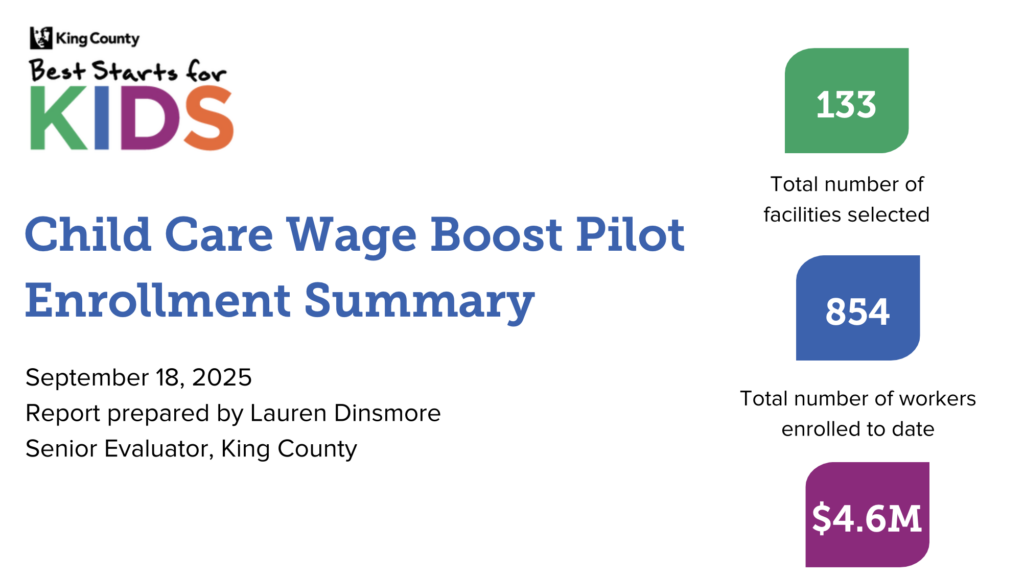
A data snapshot summarizing enrollment, participation, and early characteristics of workers and facilities participating in a child care wage boost pilot.
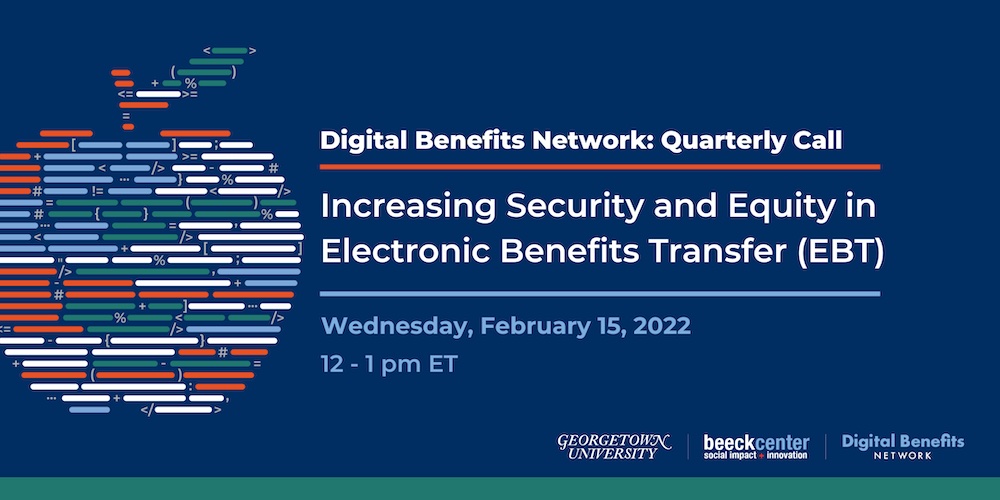
In this webinar, a panel of experts discuss what states can do right now to improve EBT security, how to use data to analyze theft patterns, and how EBT payment technology needs to evolve to ensure efficiency, security, and dignity for beneficiaries.
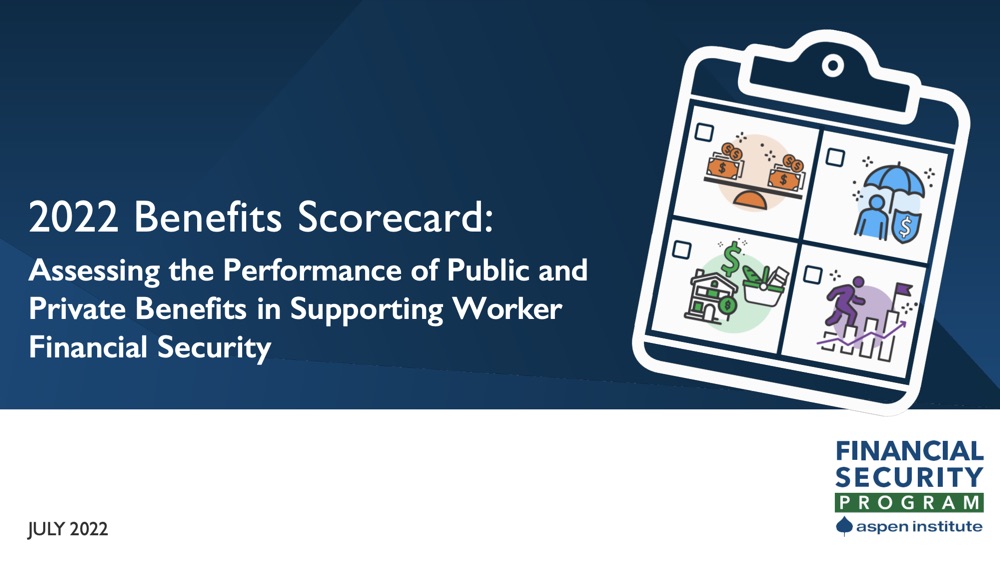
This resource allows policymakers, employers, benefits providers, and researchers assess benefits performance for constituents and identify opportunities in market and policy innovation to ensure equitable benefits distribution.
The report examines how current remote identity proofing methods can create barriers to Medicaid enrollment and suggests improvements to ensure equitable access for all applicants.
Annual Computers, Software, and Applications Conference (COMPSAC)
In this panel conversation from the Better Identity Coalition’s 2022 policy forum, “Identity, Authentication, and the Road Ahead," representatives from industry and government discuss priorities for authentication and identity management.
Building on our February 2022 report Benefit Eligibility Rules as Code: Reducing the Gap Between Policy and Service Delivery for the Safety Net, the Beeck Center’s Digital Benefits Network (DBN) recently held a convening to share progress and potential in digitizing benefits eligibility and to begin addressing how a national approach could be started.
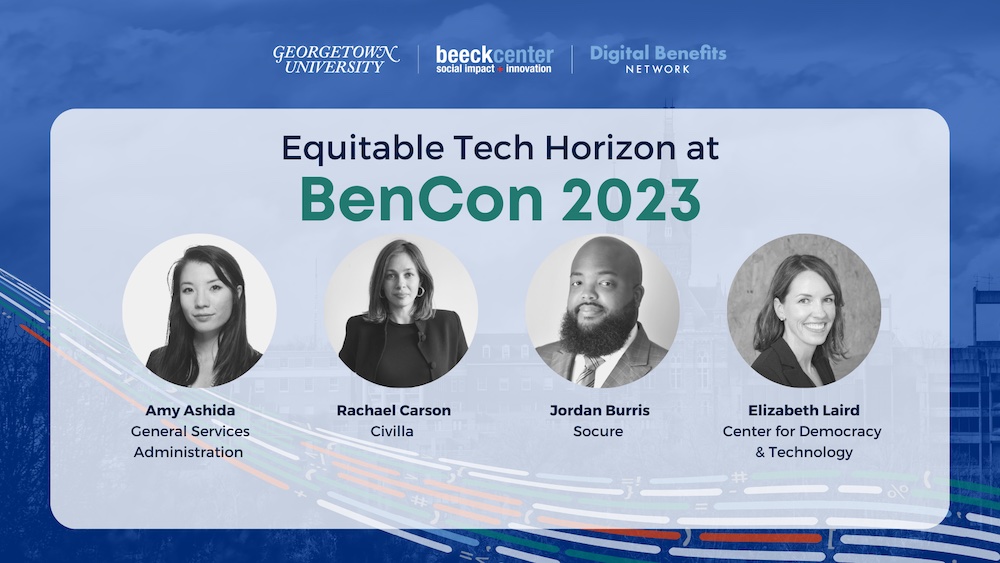
Hear perspectives on topics including centering beneficiaries and workers in new ways, digital service delivery, digital identity, and automation.This video was recorded at the Digital Benefits Conference (BenCon) on June 14, 2023.
A modern system that helps people learn about, apply for, and gain access to affordable housing. Bloom Housing is an open source platform that digitizes the process of finding and applying for affordable housing, turning a time-consuming paper process into a 15 minute activity from one's smartphone or computer.
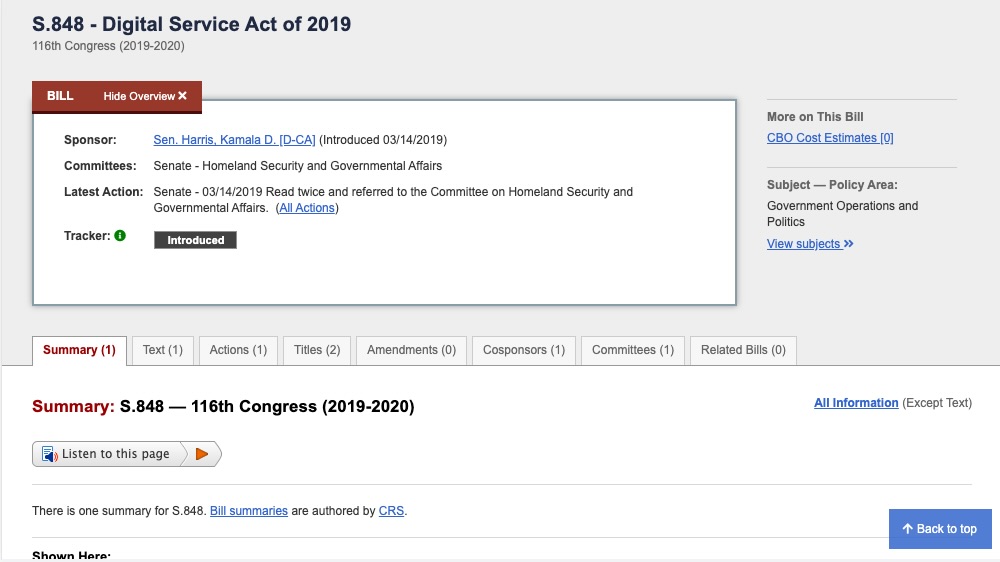
This bill authorizes the U.S. Digital Service to make a grant to a state, Indian tribe, or local government to establish or support a team of relevant experts dedicated to modernizing the delivery of government services to the public through information technology. A state, tribe, or local government may receive up to two such grants.
Executive Order 14058, issued by President Joe Biden on December 13, 2021, aims to enhance the federal customer experience and service delivery to rebuild trust in government.