This field guide is written for digital services and technology leaders working in government agencies at the federal, state, or local level. It’s meant to highlight the power of product thinking to government digital services. With this guide, agencies can start moving from a project management mindset to a product-based approach to delivering services.
Defining a product in government digital services is crucial, as it serves as the means through which a service is delivered to the public, and understanding its attributes ensures effective and continuous improvement.
This article explores how anticipatory logics—drawing from foresight, futures thinking, and design—are shaping the future of government by creating space for innovative policy approaches, public participation, and proactive governance.
As a next step in Iowa's modernization effort, the MEME project released a video describing Iowa's proposed approach and next steps for the purpose of engaging with vendors. The video linked here provides additional information on the project's learnings so far.
A participant handbook that explains how a child care wage boost pilot works, including eligibility, enrollment, payments, privacy protections, and ongoing responsibilities for facilities and workers.
King County Department of Community and Human Services
A pre-launch survey brief that documents the financial, emotional, and physical well-being of a local child care workforce before the start of a wage boost pilot.
An on-demand webinar showing how counties can design, fund, and measure local wage boost pilots to strengthen the child care workforce and support economic participation.
A case study that reflects on the design, implementation, and early outcomes of a local child care wage boost pilot aimed at improving job quality and retention in the child care workforce.
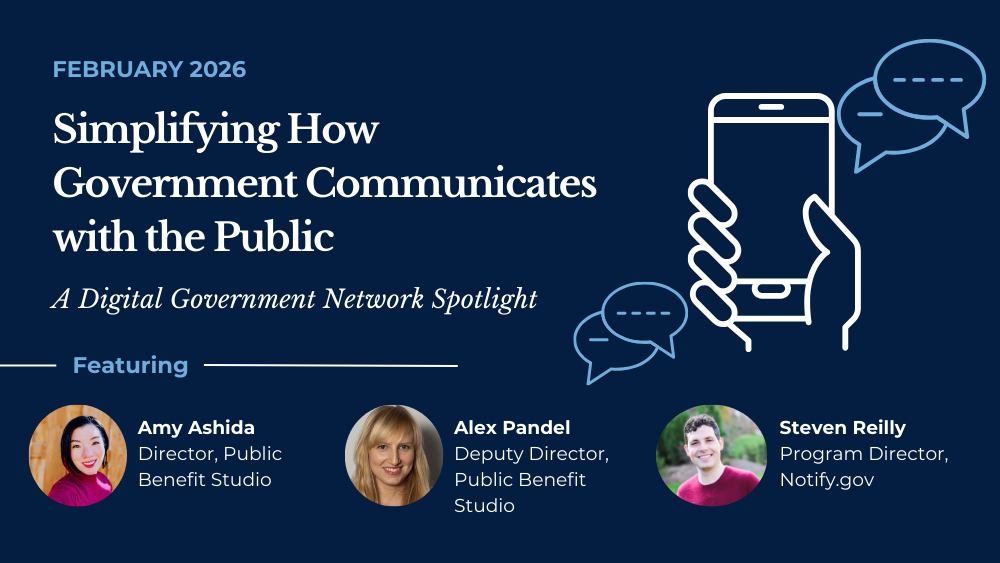
DGN Spotlights are short-form project profiles that feature exciting work happening across our network of digital government practitioners. Spotlights celebrate our members’ stories, lift up actionable takeaways for other practitioners, and put the resources and examples we host in the Digital Government Hub in context.