This landscape analysis examines data, design, technology, and innovation-enabled approaches that make it easier for eligible people to enroll in, and receive, federally-funded social safety net benefits, with a focus on the earliest adaptations during the COVID-19 pandemic.
This field guide is written for digital services and technology leaders working in government agencies at the federal, state, or local level. It’s meant to highlight the power of product thinking to government digital services. With this guide, agencies can start moving from a project management mindset to a product-based approach to delivering services.
This resource provides strategies, practical examples, and templates for attracting, developing, and retaining a high-performing digital service workforce.
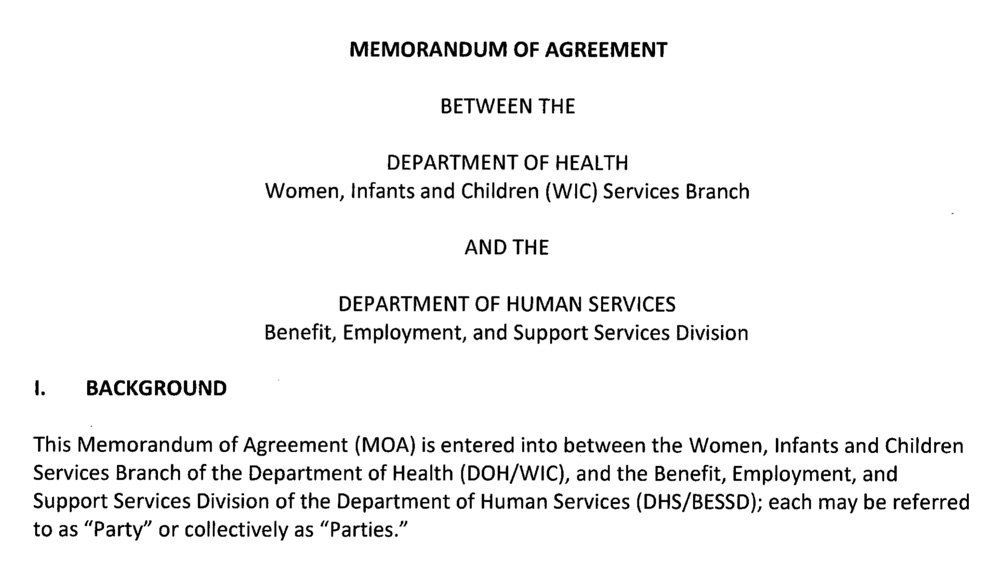
This MOA outlines Hawai'i's legal data sharing agreement between the Women, Infants and Children Services Branch of the Department of Health (DOH/WIC), and the Benefit, Employment and Support Services Division of the Department of Human Services (DHS/BESSD) to exchange SNAP and WIC data.
This brief describes the TANF Data Collaborative (TDC), an innovative approach to increasing data analytics capacity at state Temporary Assistance for Needy Families (TANF) agencies.
A curated toolkit of plain-language writing resources, training, and guidance aimed at helping government and public-service staff create accessible, easily understood communications.
A pre-launch survey brief that documents the financial, emotional, and physical well-being of a local child care workforce before the start of a wage boost pilot.
A case study that reflects on the design, implementation, and early outcomes of a local child care wage boost pilot aimed at improving job quality and retention in the child care workforce.