This policy supports the appropriate development, deployment, and use of generative artificial intelligence (GenAI) systems, products, services, tools, and content within consolidated state agencies in Colorado.
Colorado Governor's Office of Information Technology (OIT)
The Ethical Artificial Intelligence (AI) Policy of the City of Tempe establishes principles and governance structures to ensure the responsible, fair, and transparent use of AI in municipal operations.
A strategy document that sets out USAID’s vision, goals, principles, and operational requirements for promoting open, inclusive, secure, and rights-respecting digital ecosystems to advance development and humanitarian outcomes worldwide.
United States Agency International Development (USAID)
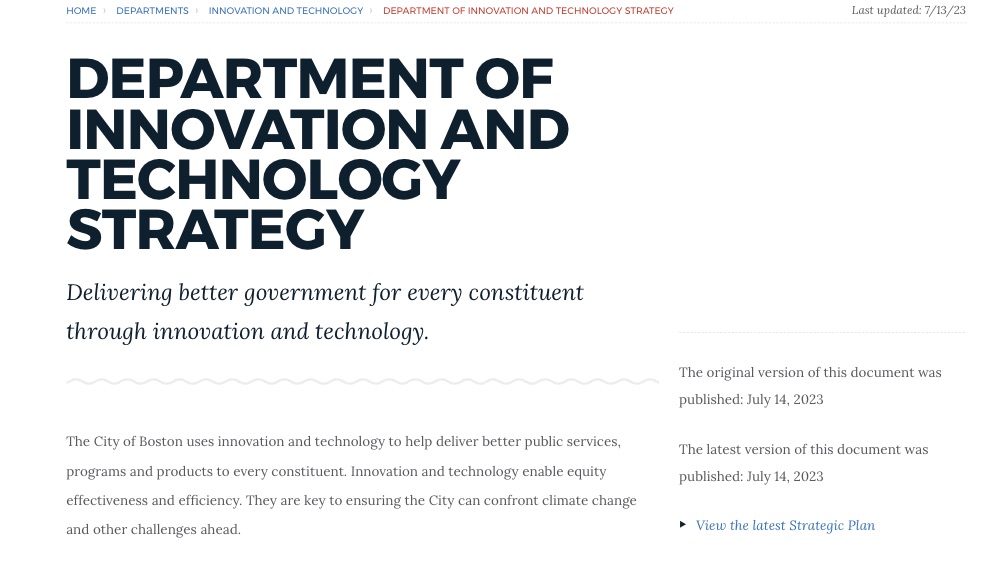
The Department of Innovation and Technology of the City of Boston enables its workforce to deliver a better government for every constituent. Technology and innovation enable equity, effectiveness, and efficiency.
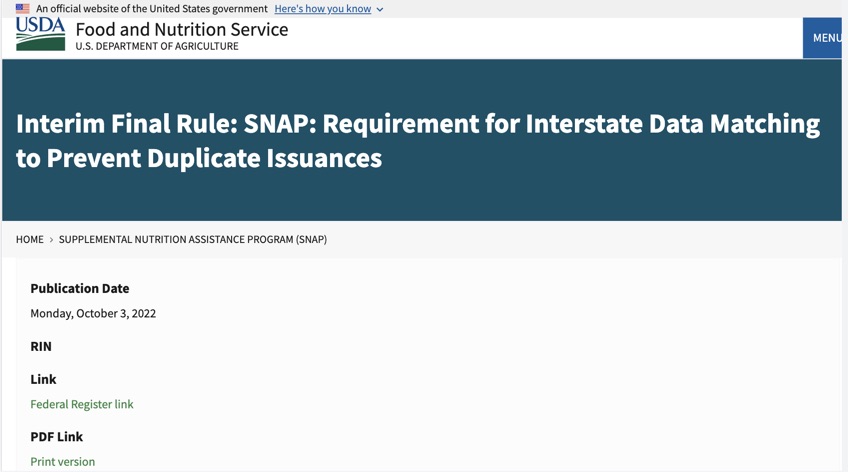
This interim final rule requires SNAP State agencies to provide information to the NAC regarding individuals receiving SNAP benefits in their states in order to ensure they are not already receiving benefits in another state.
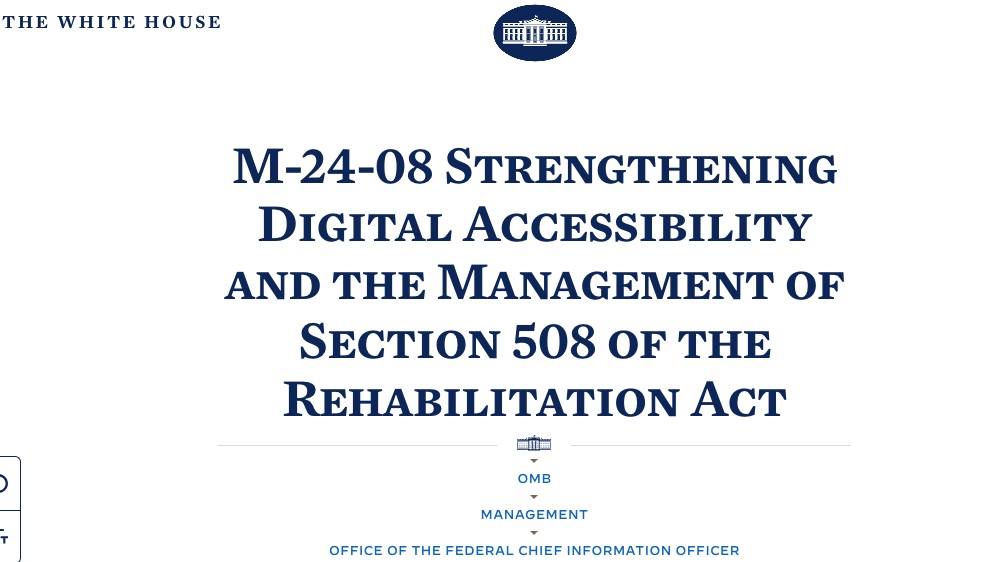
This memorandum provides guidance to help agencies advance digital accessibility by maintaining an accessible Federal technology environment, promoting accessible digital experiences, and continuing the implementation of accessibility standards.
This memorandum provides guidance to agencies on how to design and deliver websites and digital services to the public and to assist agencies as they continue to implement the 21st Century Integrated Digital Experience Act1 (21st Century IDEA). It summarizes relevant statutory requirements, clarifies policy requirements, and expands best practices for agency websites and digital services.
Washington Technology Solutions (WaTech) launched a three-year (2024-2026) strategic plan centered around three key goals: optimize service delivery for customers, cultivate an flexible and innovative workplace, and establish WaTech's role as a statewide technology leader.