The SDCI User Research Participant Compensation Policy establishes guidelines for providing honoraria to user research participants, ensuring equitable, ethical, and inclusive engagement in SDCI’s UX research.
Seattle Department of Construction & Inspections (SDCI)
A statewide framework defining six core digital skills standards to equip North Carolina residents with the competencies needed to participate safely, confidently, and effectively in an increasingly digital world.
North Carolina Department of Information Technology (NCDIT)
This memorandum provides guidance to agencies on how to design and deliver websites and digital services to the public and to assist agencies as they continue to implement the 21st Century Integrated Digital Experience Act1 (21st Century IDEA). It summarizes relevant statutory requirements, clarifies policy requirements, and expands best practices for agency websites and digital services.
This policy supports the appropriate development, deployment, and use of generative artificial intelligence (GenAI) systems, products, services, tools, and content within consolidated state agencies in Colorado.
Colorado Governor's Office of Information Technology (OIT)
This guidance document provides a framework for developing an agency-wide data strategy that aligns data governance, management, and analytics with organizational goals and service delivery.
A strategic roadmap outlining the vision, goals, and measurable success criteria for building a unified, resident-centered digital portal for Washington State services.
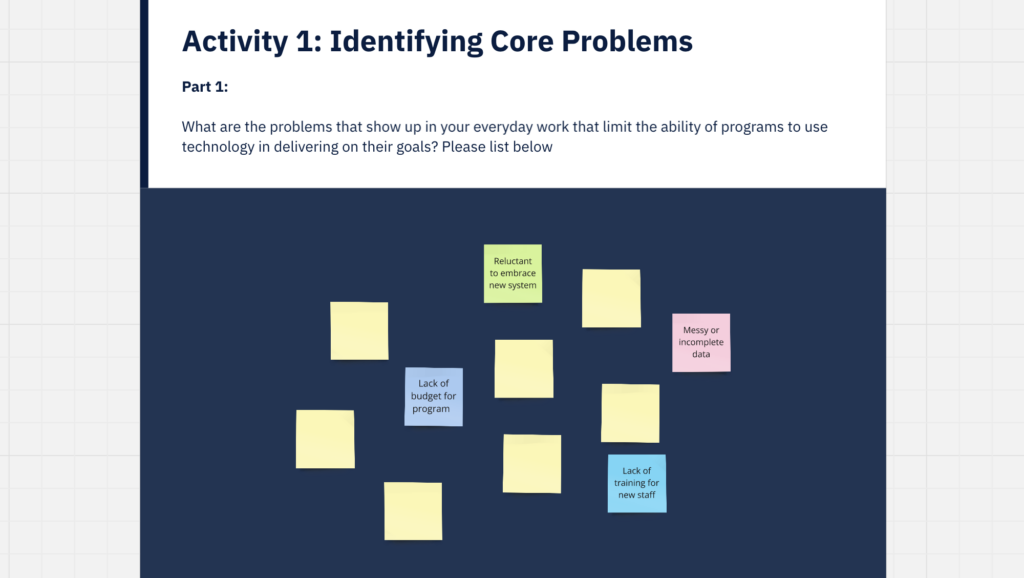
This workshop guide offers teams an opportunity to jointly work toward understanding core problems impacting digital delivery in their organization. The guide is structured in two parts: (1) a Miro template and (2) a Facilitation Guide.
This interview template includes questions designed to help teams conduct exploratory, semi-structured interviews with government stakeholders involved in program delivery to gather information that can help them evaluate the status quo of digital delivery in their organization.
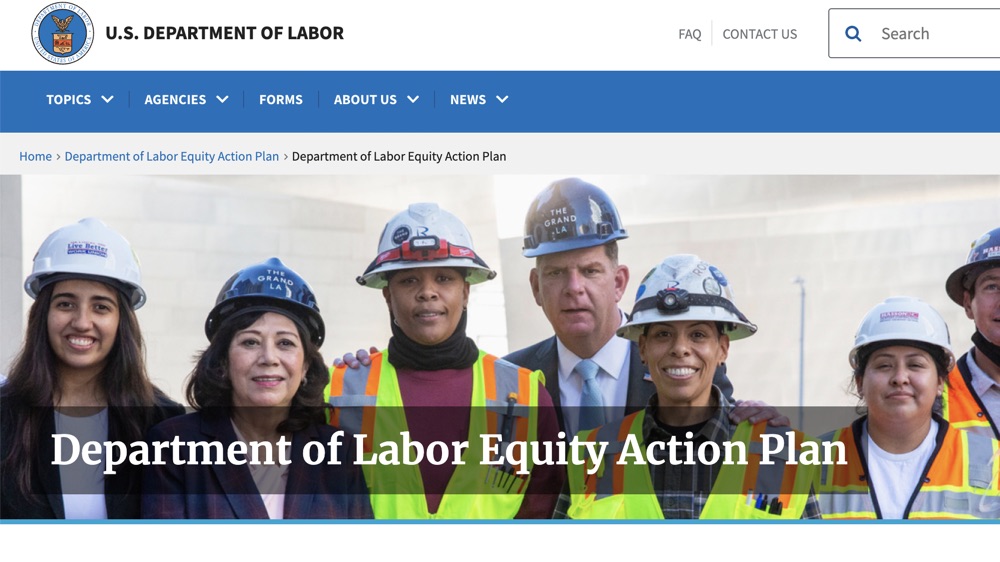
This document, submitted in response to Executive Order 13985 on Advancing Racial Equity and Support for Underserved Communities, summarizes key aspects of DOL’s principles and approach to advancing equity. One of the five areas outlined includes administering and improving the federal-state Unemployment Insurance systems.