This profile provides a cross-sectoral profile of the AI Risk Management Framework specifically for Generative AI (GAI), outlining risks unique to or exacerbated by GAI and offering detailed guidance for organizations to govern, map, measure, and manage those risks responsibly.
National Institute of Standards and Technology (NIST)
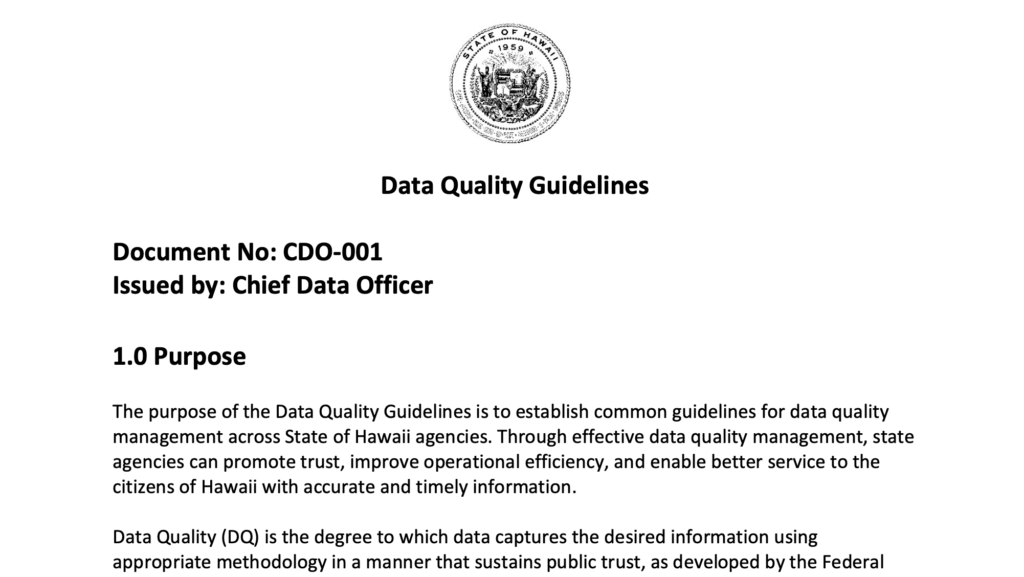
These standardized guidelines are intended to manage data quality across Hawaii state agencies, covering key dimensions, compliance expectations, and best practices for both general and geospatial data.
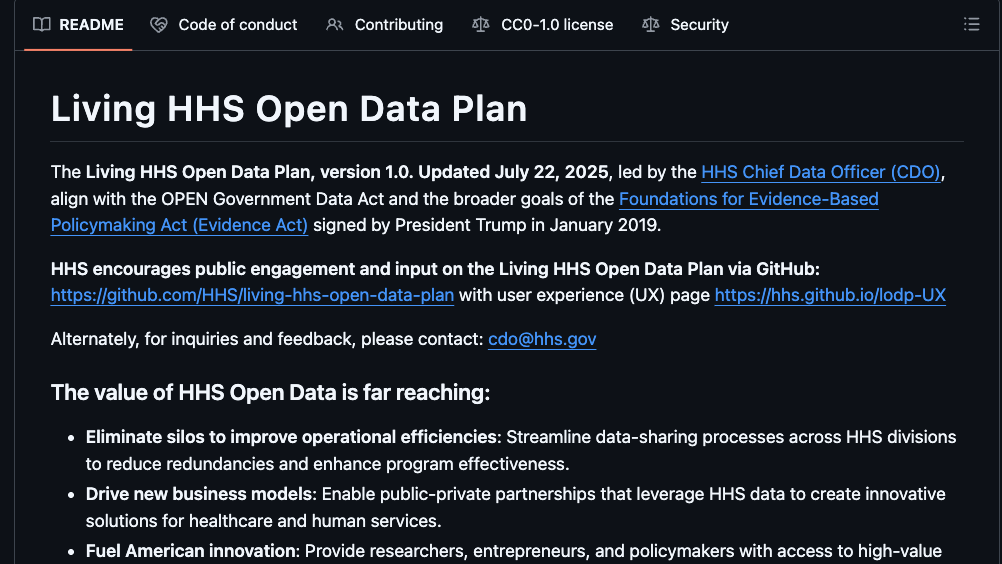
This is a modular, dynamic roadmap guides the U.S. HHS's ongoing implementation of open data policies while inviting public collaboration and feedback.
U.S. Department of Health and Human Services (HHS)
The Maryland Information Technology Master Plan 2025 lays out the state’s strategy to modernize IT, expand digital services, and strengthen infrastructure to better serve residents and government agencies.
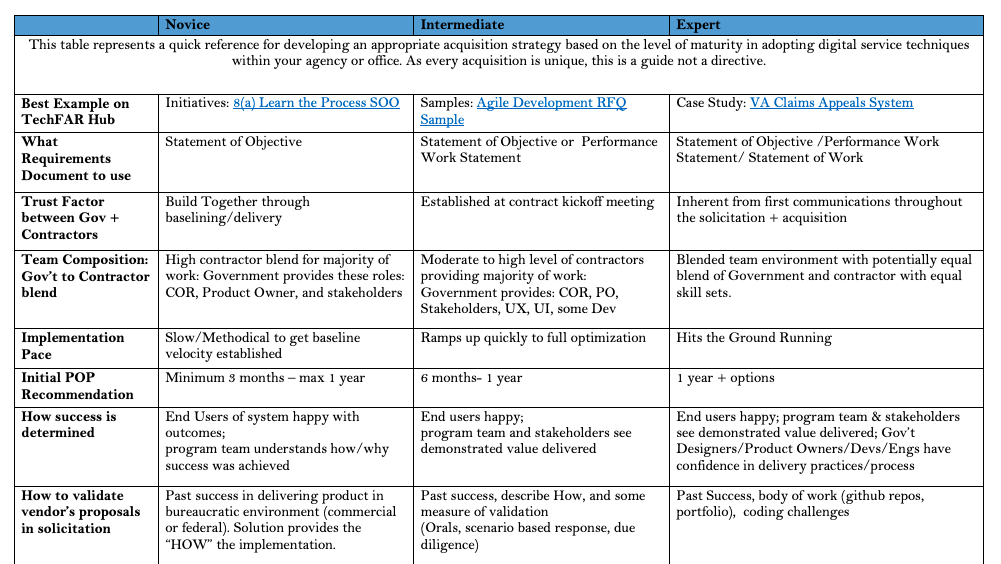
A practical guide that helps agencies choose appropriate acquisition strategies for digital projects based on their maturity with modern delivery practices.
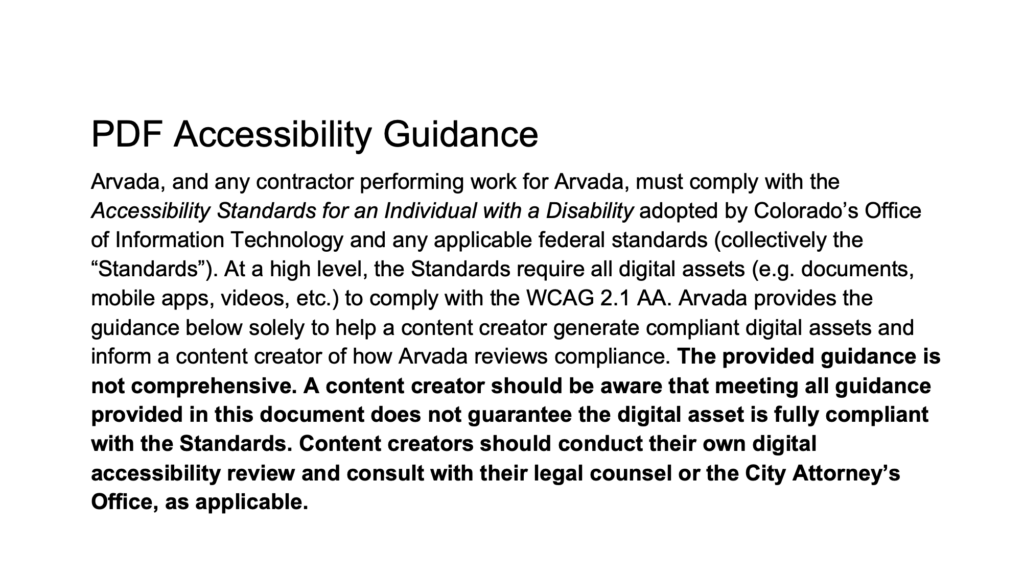
This guidance document outlines how to create and review accessible PDFs to help ensure compliance with WCAG 2.1 AA and other digital accessibility standards.
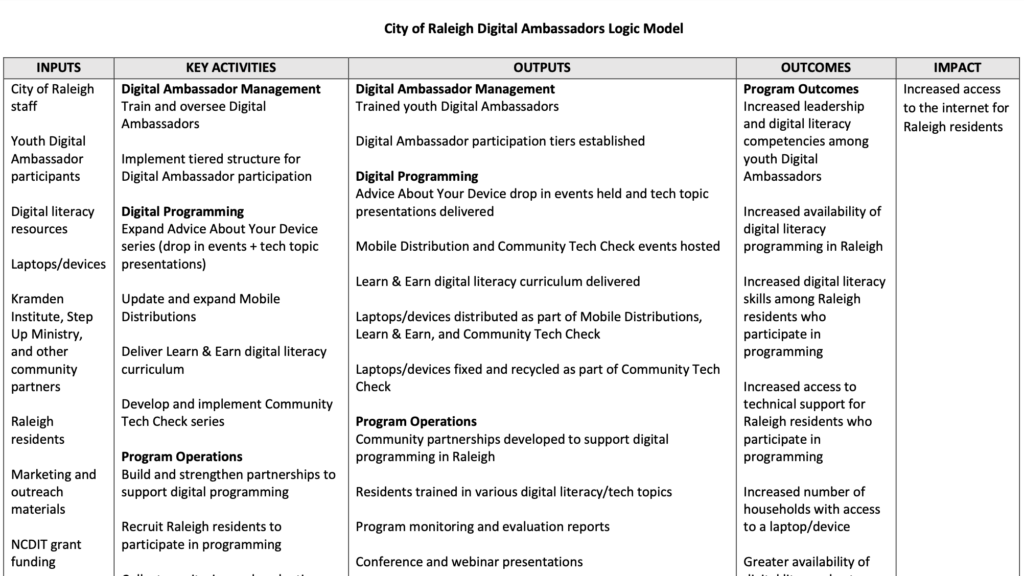
This logic model outlines a digital inclusion program designed to expand digital literacy, device access, and technical support for residents through youth leadership and community partnerships.