Article announcing five new projects by the Office of Management and Budget that will improve experiences the public has with the government during significant movements in their lives. These “life experience” projects are at the center of a new model for how the Federal Government should better design and deliver benefits, services, and programs to the American people during the moments in their lives that matter most.
This guide highlights best practices in benefits access, showcasing how Michigan, New York City, and San José improve accessibility through plain language, multilingual translation, resident co-creation, and technology tools.
This report examines how the U.S. federal government can enhance the efficiency and equity of benefit delivery by simplifying eligibility rules and using a Rules as Code approach for digital systems.
This guide highlights approachable ideas for state and local public benefits agencies to improve applications, renewals, and correspondence. As outlined in this resource, even small improvements can be transformative for residents and caseworkers alike.
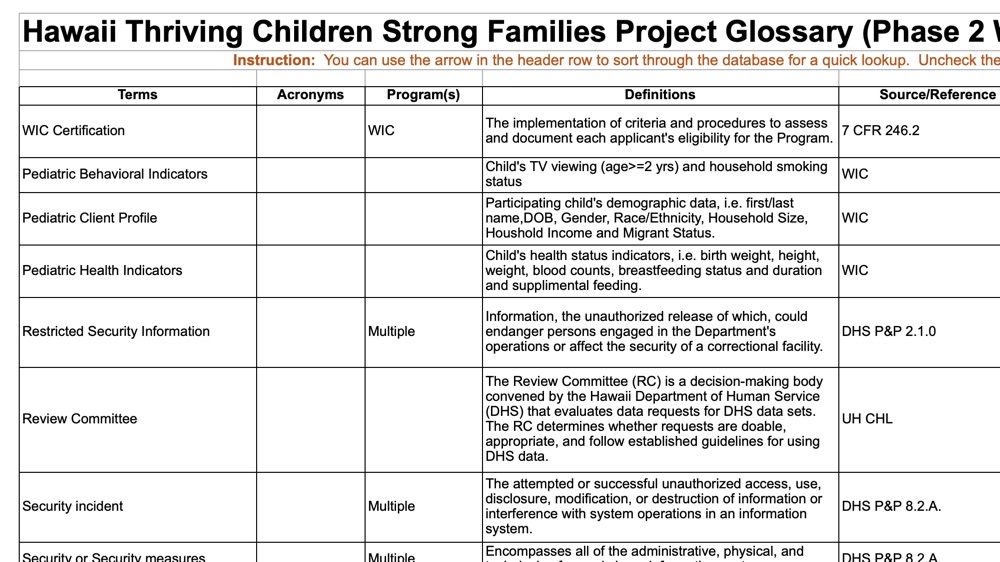
his document defines key terms, acronyms, and data elements used in Hawaii's SNAP and WIC data integration project to support cross-program collaboration and data standardization.
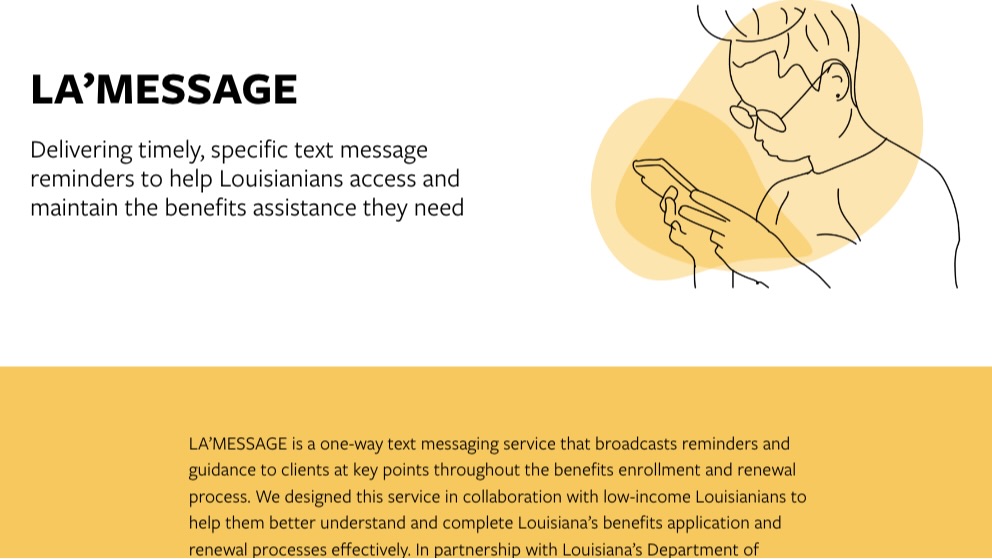
LA’MESSAGE is a one-way text messaging service developed by Code for America in partnership with Louisiana to broadcast reminders and guidance to residents enrolled in and eligible for SNAP, Medicaid, TANF, and WIC at key points throughout the benefits enrollment and renewal process.
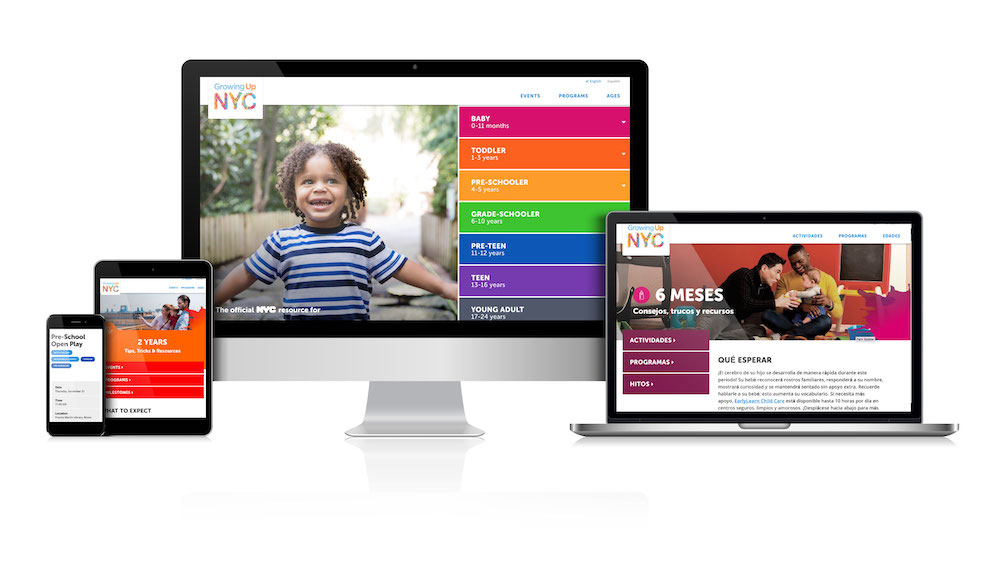
Growing Up NYC is mobile-friendly website that makes it simple for families to learn about and access city programs, as well as services and activities available to New York residents.
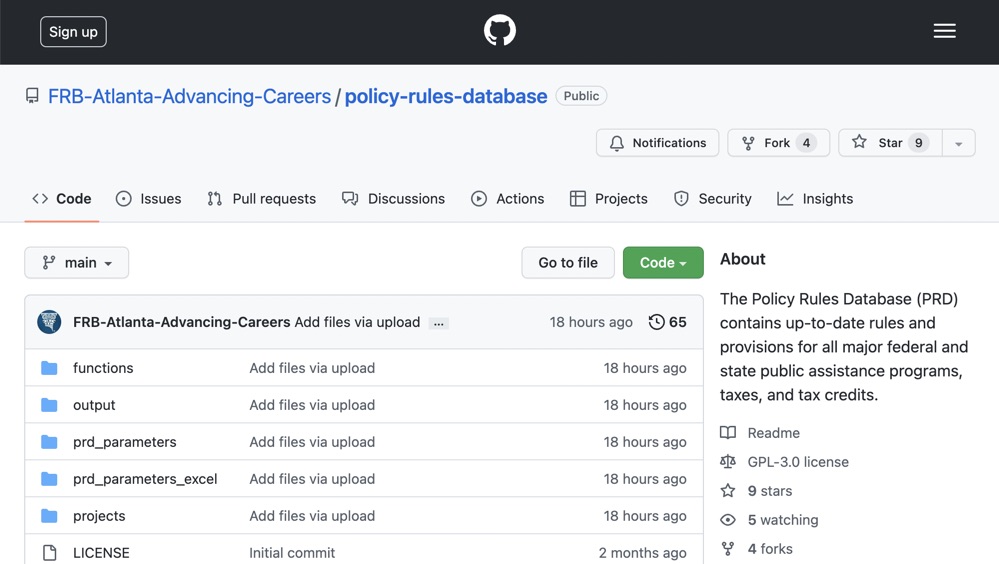
Github repository for Policy Rules Database, which encodes up-to-date rules and provisions for all major federal and state public assistance programs, taxes, and tax credits.
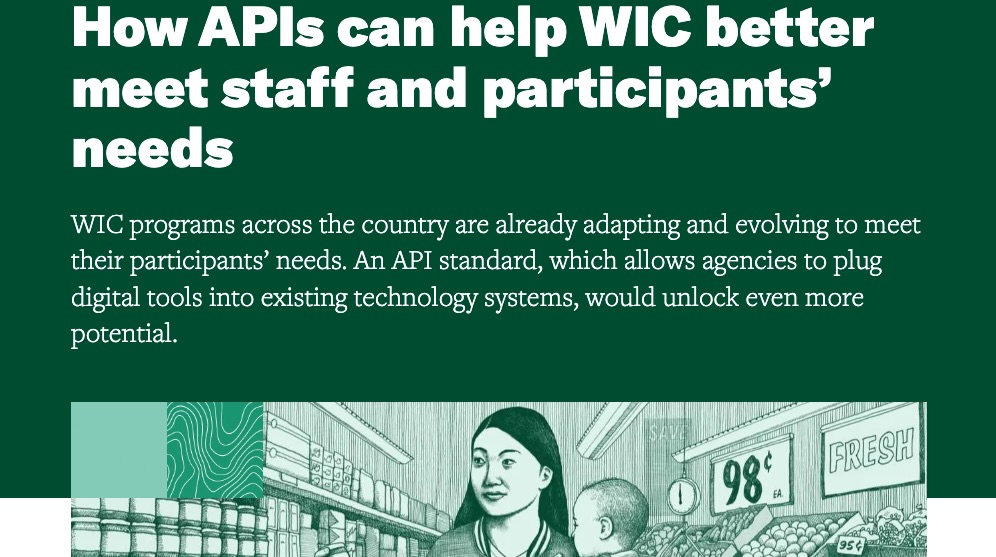
Implementing an API standard for WIC Management Information Systems (MIS) would enable seamless integration of digital tools, enhancing service delivery and accessibility for participants and staff.
This report describes C-Stat 2.0, an updated version of the the Colorado Department of Human Services’ performance-based analysis strategy that allows them to better focus on and improve performance outcomes that enhance people’s lives.
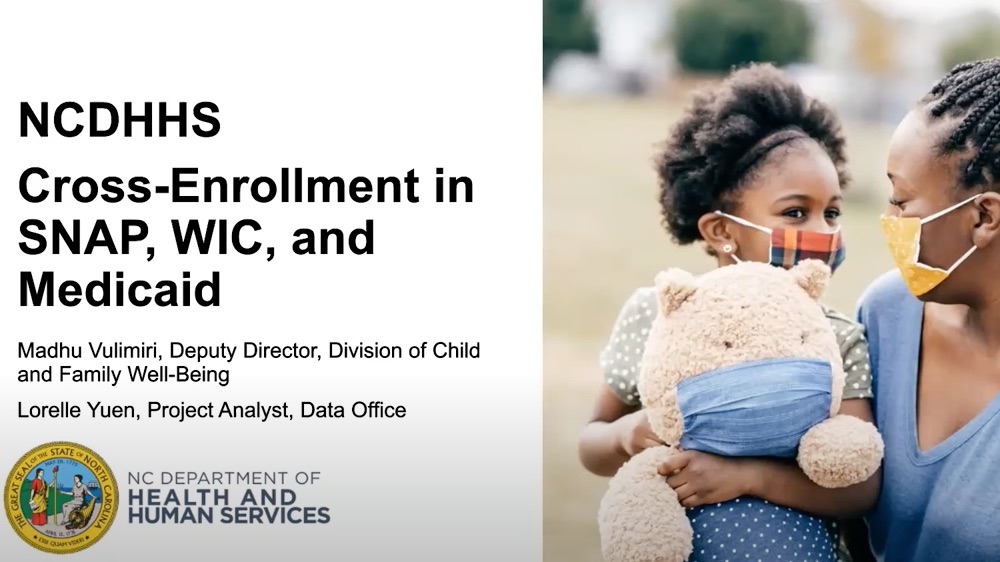
In this presentation, team members from the North Carolina Department of Health and Human Services provide an overview of the implementation process for cross enrollment with SNAP, WIC, and Medicaid in North Carolina.
North Carolina Department of Health and Human Services