In this summary, the authors use WBNS data to provide updated estimates of chilling effects in 2023 among immigrant families (i.e., in which the respondent or a family member living with them was not born in the US).
Monthly SNAP participation data for the United States and every state, from October 1988 through the latest month published by USDA Food and Nutrition Service (generally a 3-month lag).
This report analyzes how proposed state cost-sharing requirements for SNAP would impact benefit access and poverty during a recession, projecting significant risks to low-income households if states are unable to maintain SNAP funding.
This case study details the development of a document extraction prototype to streamline benefits application processing through automated data capture and classification.
This report explores how public benefit systems can better support young adults by addressing the barriers they face in accessing and maintaining vital services like SNAP, Medicaid, and WIC.
This report presents findings and recommendations from a user experience study based on interviews with 156 participants enrolled in Medicaid and SNAP.
On July 16, members of the Digital Identity Community of practice gathered to learn how peers are gathering beneficiary feedback on their experiences with accounts and proving their identity.
This case study highlights how Illinois is modernizing its student data infrastructure and interagency data sharing to increase access to SNAP and Summer EBT benefits for eligible children and families, particularly those facing systemic barriers.
American Public Human Services Association (APHSA)
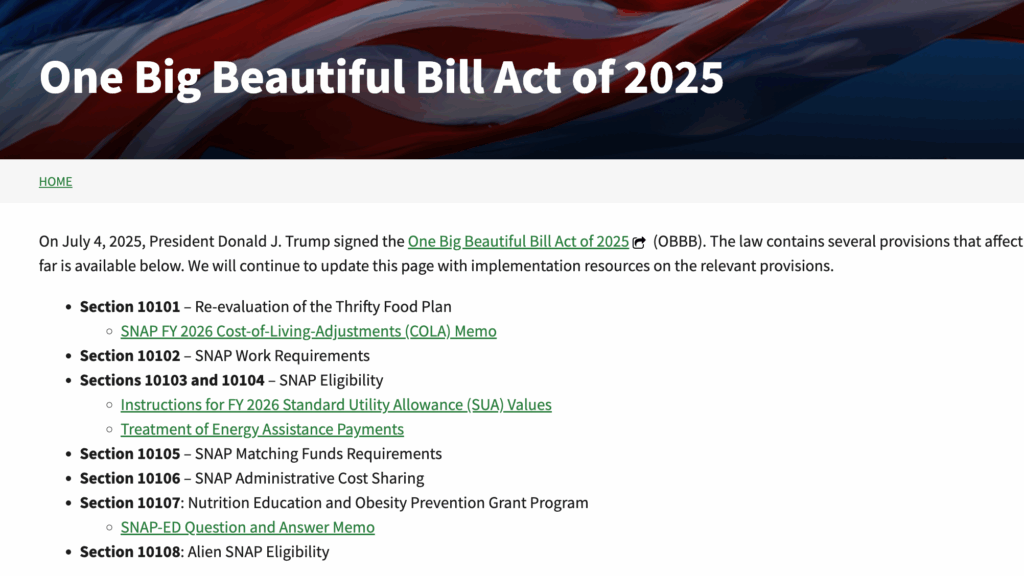
This webpage provides state agency resources and policy memos detailing how the One Big Beautiful Bill Act (H.R. 1) of 2025 affects SNAP implementation.
Led by the Digital Benefits Network in partnership with Public Policy Lab, the Digital Doorways research project amplifies the lived experiences of beneficiaries to provide new insights into people’s experiences with digital identity processes and technology in public benefits. This report details the project’s findings, directly highlighting the voices of beneficiaries through videos and photos.
This budget request details ADES's FY2027 funding priorities—including developmental disability services, child care, IT modernization, and compliance with H.R. 1—and outlines projected fiscal impacts, caseload growth, and programmatic needs across the state