The Policy2Code Prototyping Challenge explored utilizing generative AI technology to translate U.S. government policies for public benefits into plain language and code, culminating in a Demo Day where twelve teams showcased their projects for feedback and evaluation.
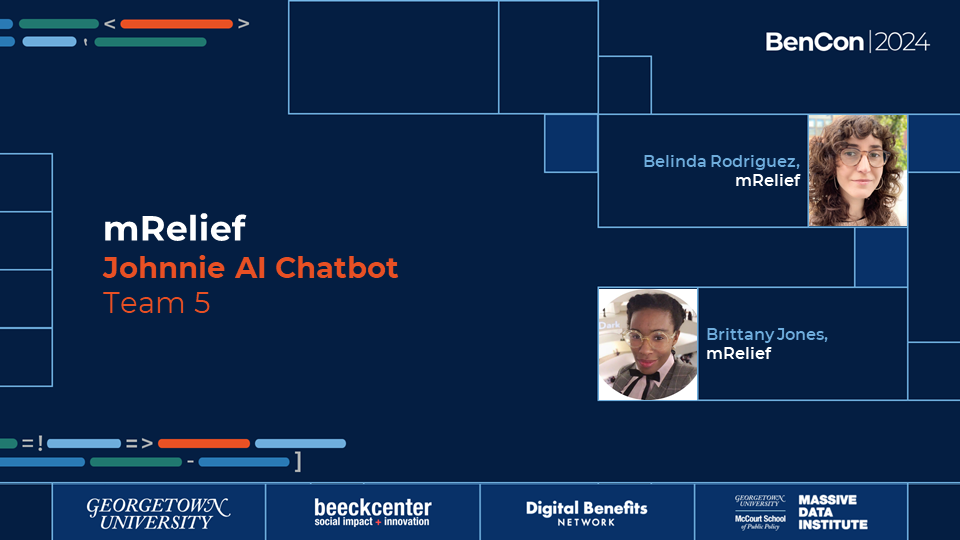
The team conducted experiments to determine whether clients would be responsive to proactive support offered by a chatbot, and identify the ideal timing of the intervention.
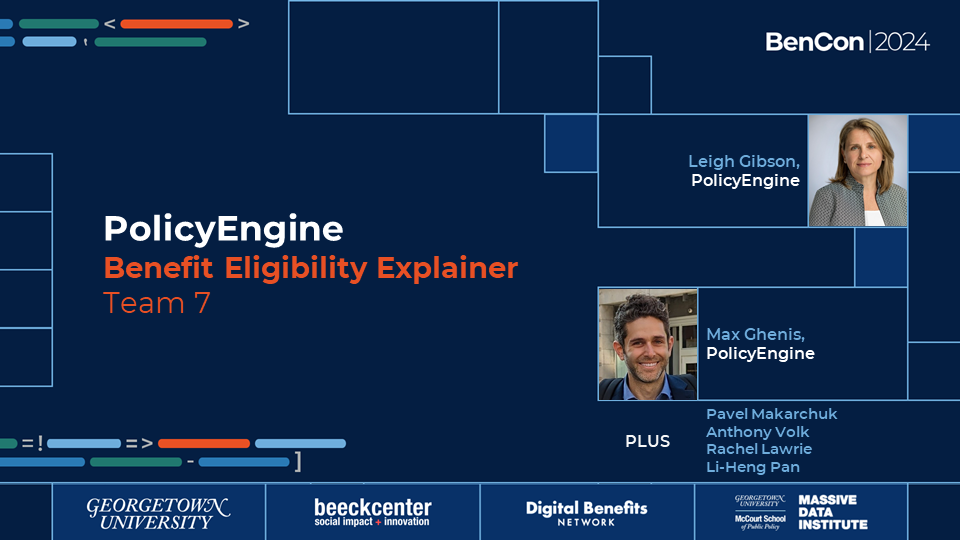
The team developed an AI-powered explanation feature that effectively translates complex, multi-program policy calculations into clear and accessible explanations, enabling users to explore "what-if" scenarios and understand key factors influencing benefit amounts and eligibility thresholds.
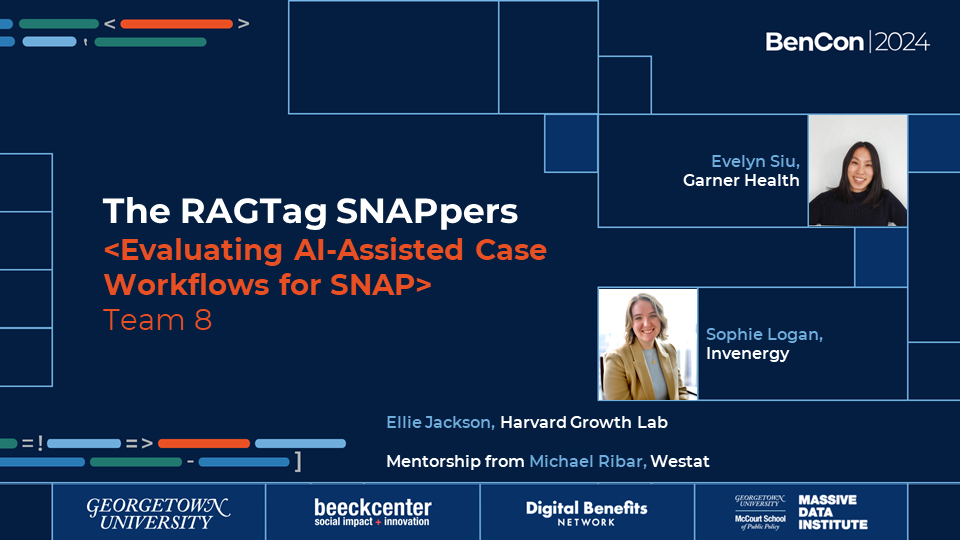
The team examined how AI, specifically LLMs, could streamline the case review process for SNAP applications to alleviate the burden on case workers while potentially improving accuracy.
We kicked off Rules as Code Demo Day with Alex Soble of 18F and Mike Gintz of 10x presenting their Eligibility APIs Initiative that explores whether APIs and rules as code might improve the efficiency and effectiveness with which federal public benefits programs communicate their policy to states. They demonstrated their original prototype, and how the open source code has now been extended into several initiatives.
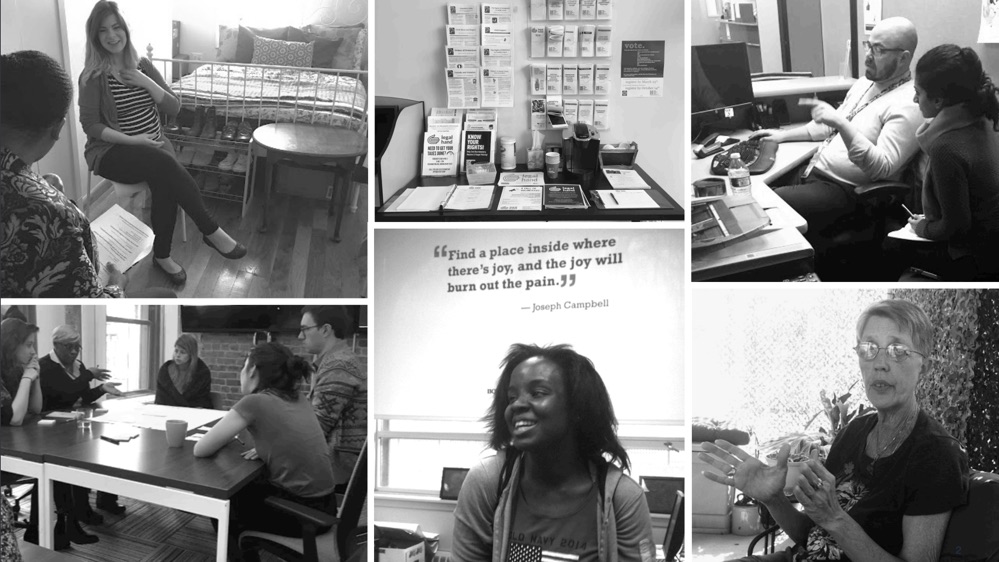
Applicants to federal aid programs face numerous barriers in accessing benefits they are eligible for. The Centers for Medicaid and Medicare conducted an extensive qualitative user research study to better understand applicant experience in enrolling in public assistance programs. Based on the results, the study emphasizes the need for simplified, streamlined and less burdensome application processes.
Article announcing five new projects by the Office of Management and Budget that will improve experiences the public has with the government during significant movements in their lives. These “life experience” projects are at the center of a new model for how the Federal Government should better design and deliver benefits, services, and programs to the American people during the moments in their lives that matter most.
This guide highlights best practices in benefits access, showcasing how Michigan, New York City, and San José improve accessibility through plain language, multilingual translation, resident co-creation, and technology tools.
This report examines how the U.S. federal government can enhance the efficiency and equity of benefit delivery by simplifying eligibility rules and using a Rules as Code approach for digital systems.
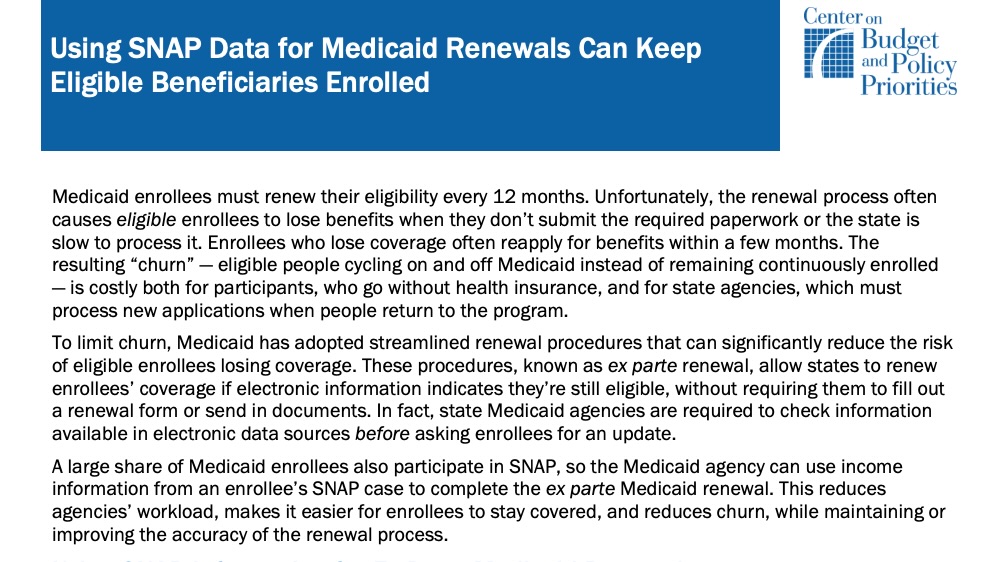
The report discusses how state Medicaid agencies can utilize Supplemental Nutrition Assistance Program (SNAP) data to streamline the Medicaid renewal process, thereby maintaining coverage for eligible beneficiaries.
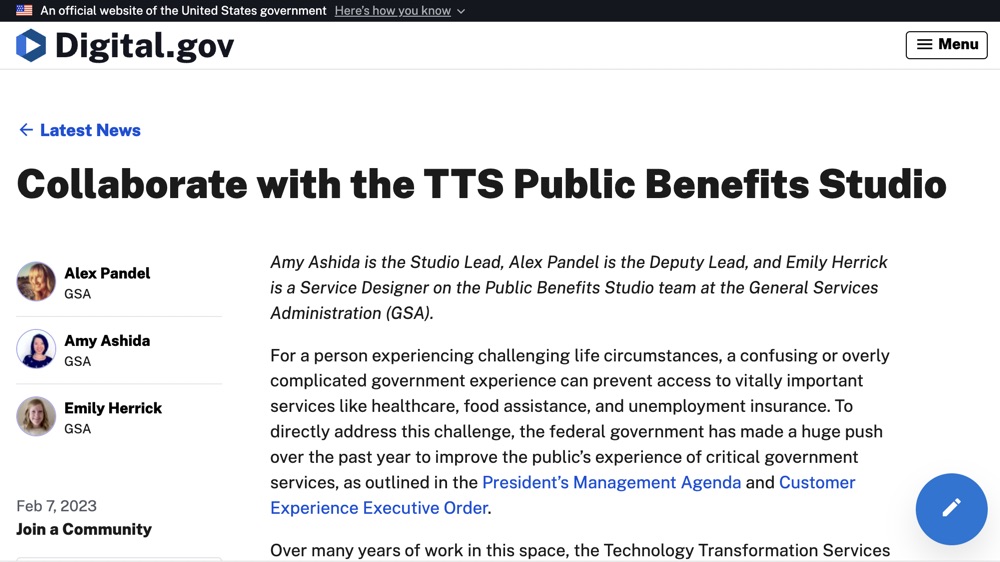
The Technology Transformation Service at GSA recently created a new Public Benefits Studio to focus on fostering a more cohesive, coordinated experience for the public, across programs.