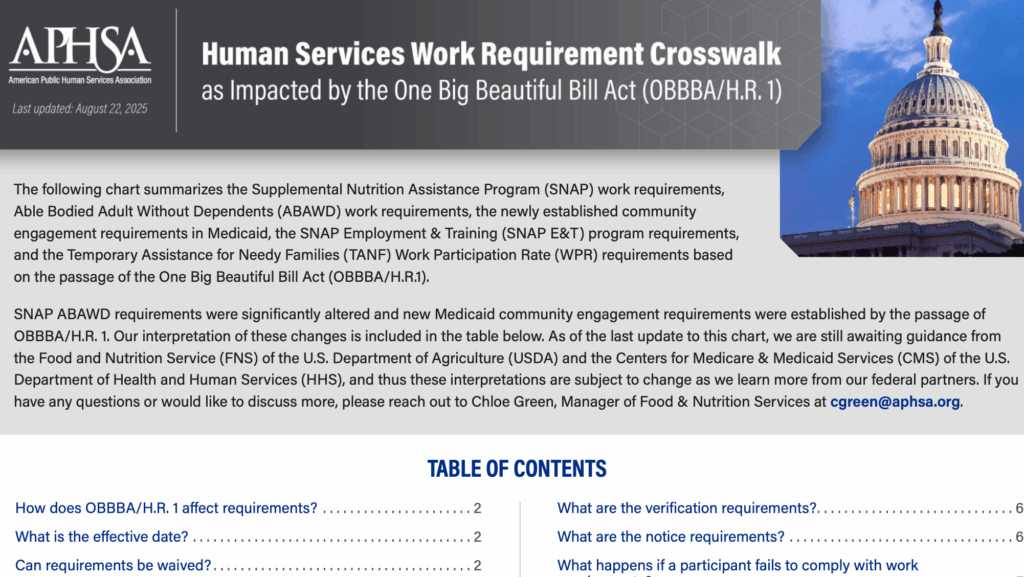
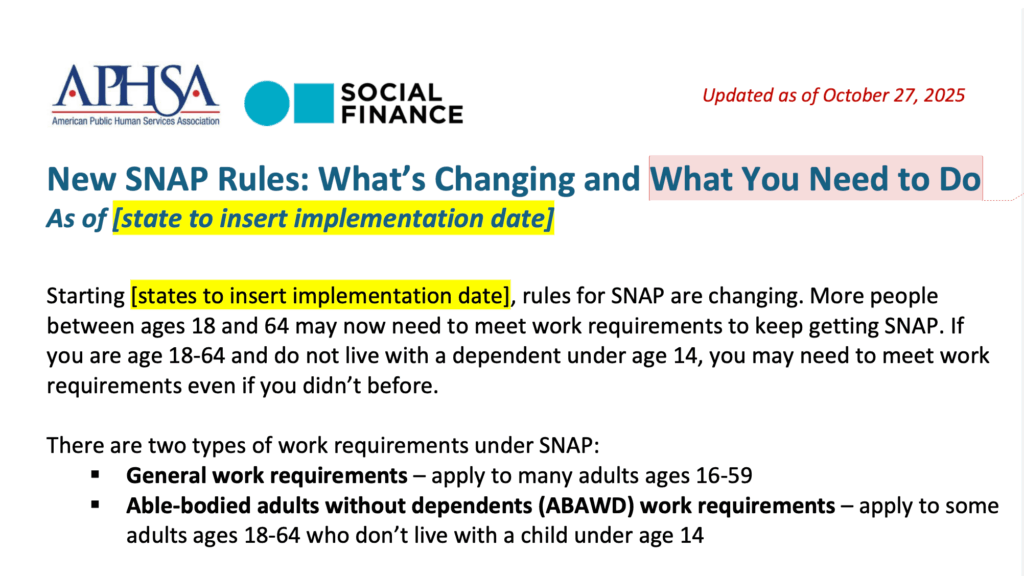
This crosswalk compares provisions in H.R. 1 with existing human services policies, focusing on how proposed federal work requirements could affect programs like TANF, SNAP, and Medicaid.
American Public Human Services Association (APHSA)
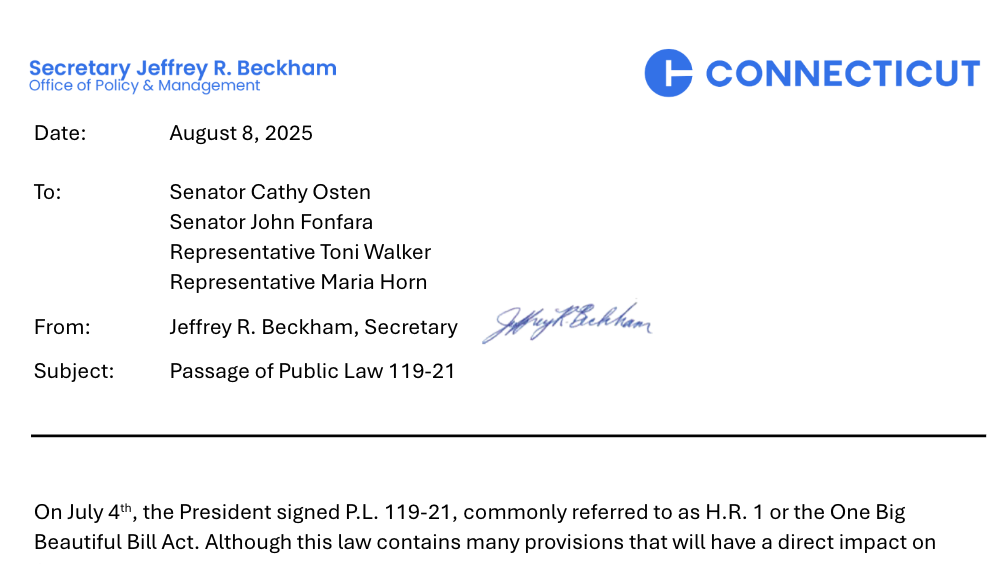
This memorandum summarizes the fiscal and programmatic impacts of Public Law 119-21 (H.R. 1 – “One Big Beautiful Bill”) on the state, detailing major provisions related to SNAP, Medicaid, higher education, taxation, and other federally funded programs.
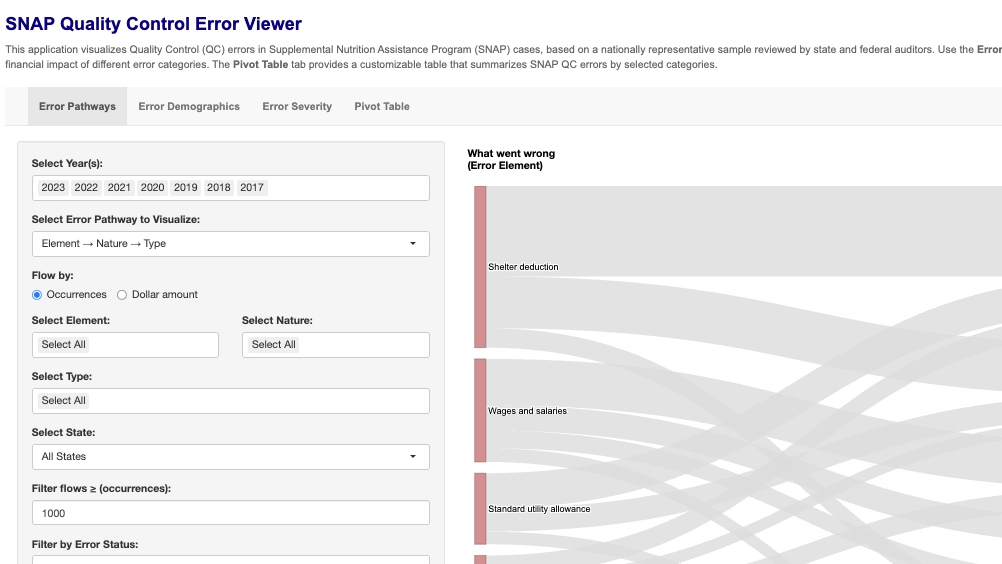
An interactive dashboard that enables users to explore and monitor key metrics of the Supplemental Nutrition Assistance Program (SNAP) Quality Control (QC) system.
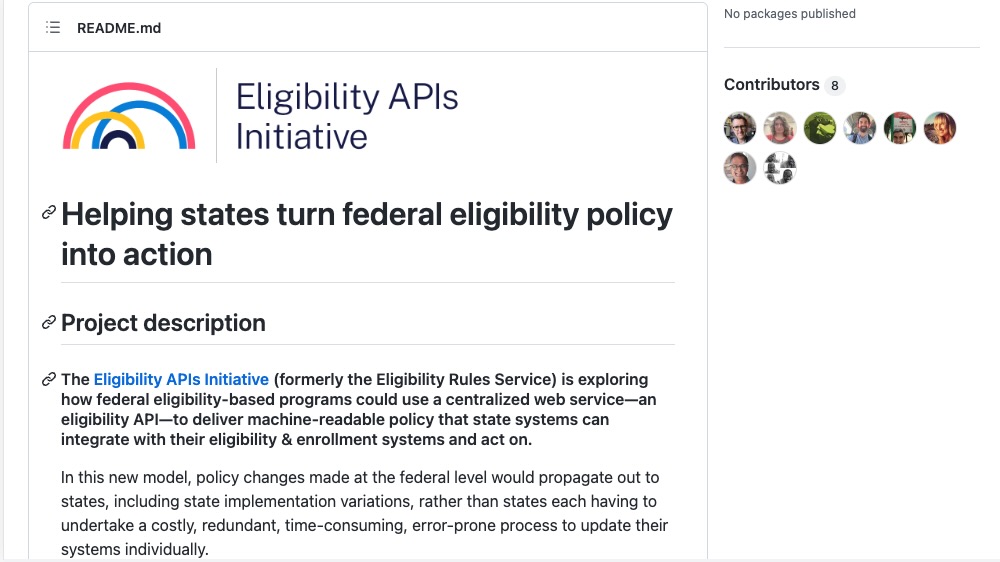
This publication explains the fundamentals of state IEE systems—including the technology, opportunities, risks, and stakeholders involved. It is a resource for state officials, advocates, funders, and tech partners working to implement these systems.
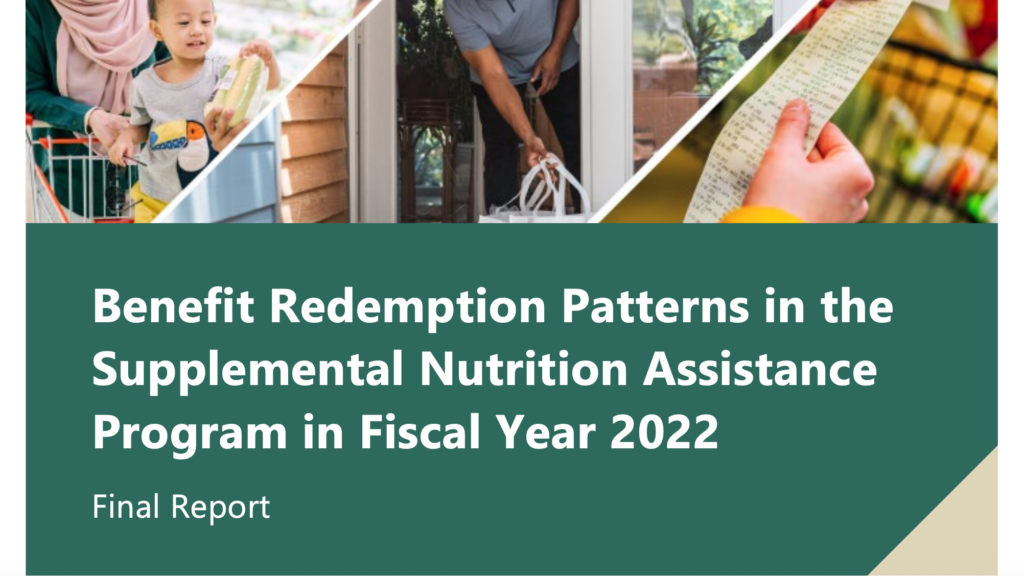
This report analyzes how SNAP households redeemed their benefits in FY 2022, examining transaction frequency, benefit exhaustion timing, store types, online purchasing, and the effects of pandemic-related policy changes.
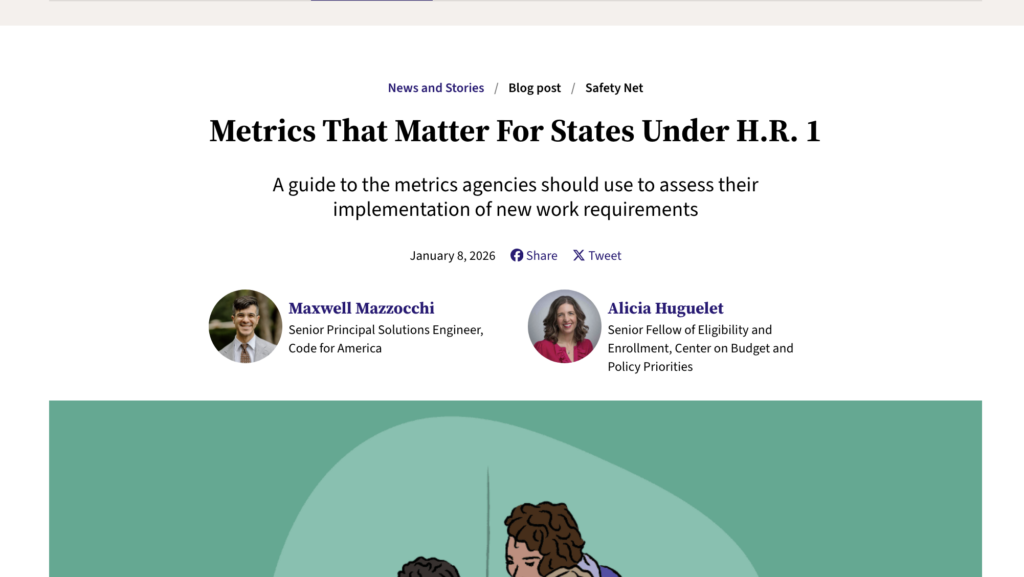
This blog post serves as a guide for state agencies to develop flexible and actionable metrics systems for tracking the implementation and impact of new work requirements under H.R. 1.
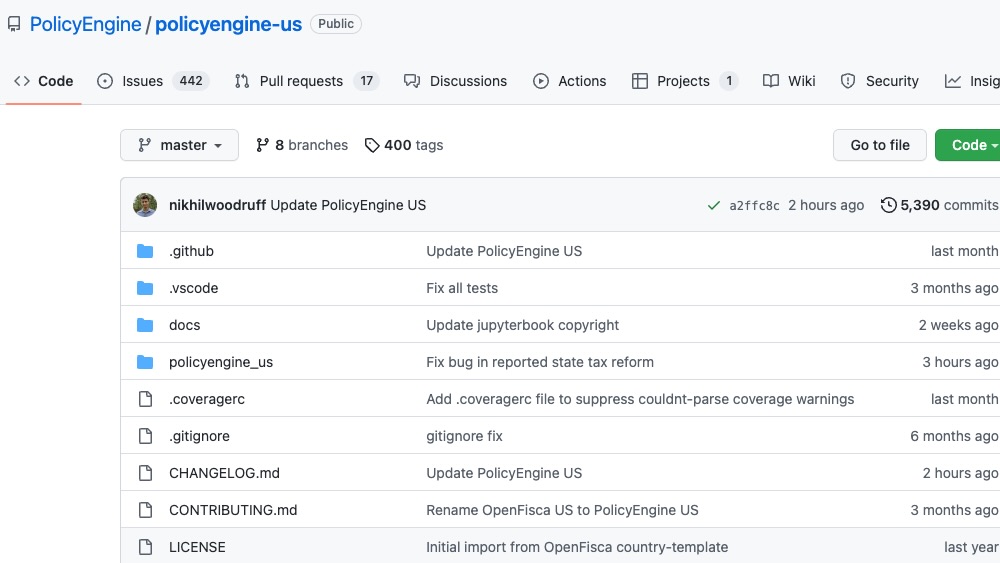
PolicyEngine US is a Python-based microsimulation model of the US tax and benefit system. It models federal individual income taxes (including credits), major benefit programs, and state income taxes (currently in six states). The PolicyEngine US package can be used as a Python package, via the PolicyEngine API, or via the policyengine.org web app.
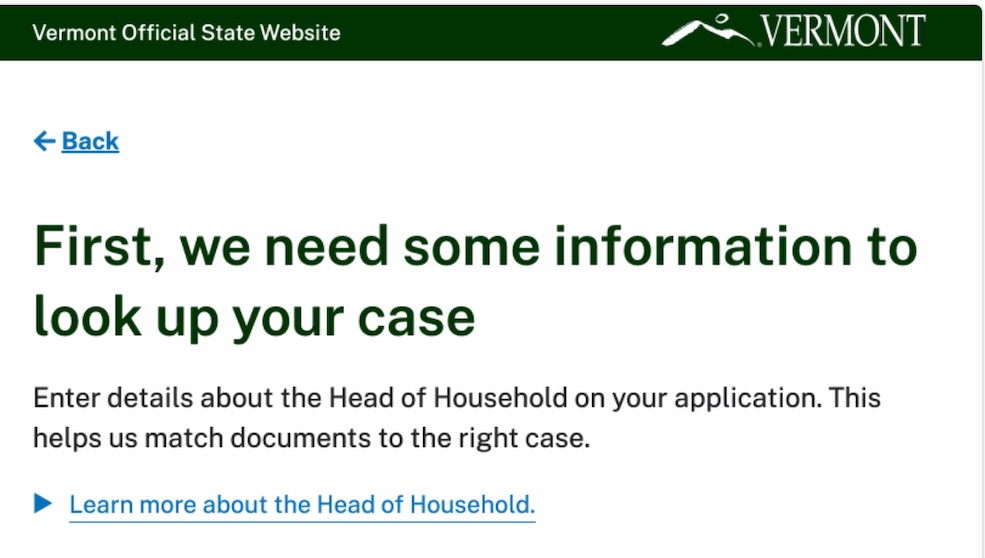
Nava built flexible and reusable software and design components to make it easier for Vermonters to access their benefits. These components support Vermont’s long-term vision of integrating eligibility and enrollment processes for all of the state’s healthcare and financial benefit programs.