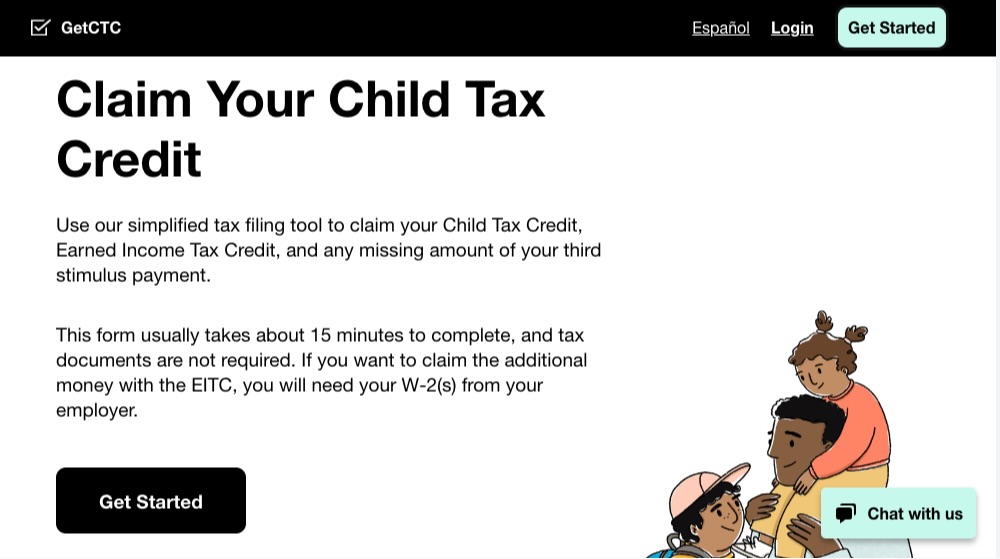
Code for America’s simplified tax filing tool that allows users to claim their Child Tax Credit and any missing amount of their third stimulus payment.
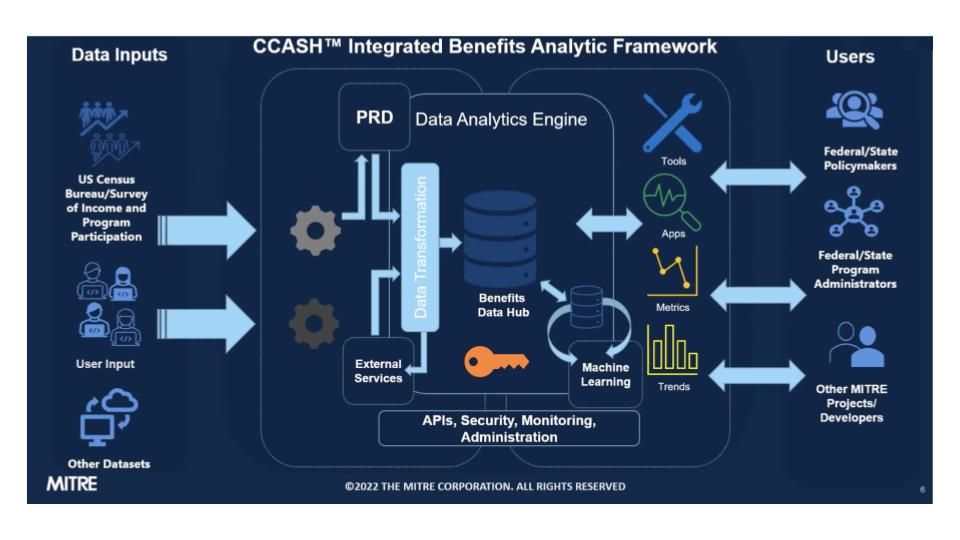
MITRE developed the Comprehensive Careers and Supports for Households (CCASH™) tool to help individuals understand and manage federal benefits and employment services, transitioning from a consumer-focused tool to a policy analytics system. By integrating data from sources like the U.S. Census and the Policy Rules Database, MITRE created a model that allows users to analyze and compare benefits eligibility across states, supporting evidence-based policymaking.
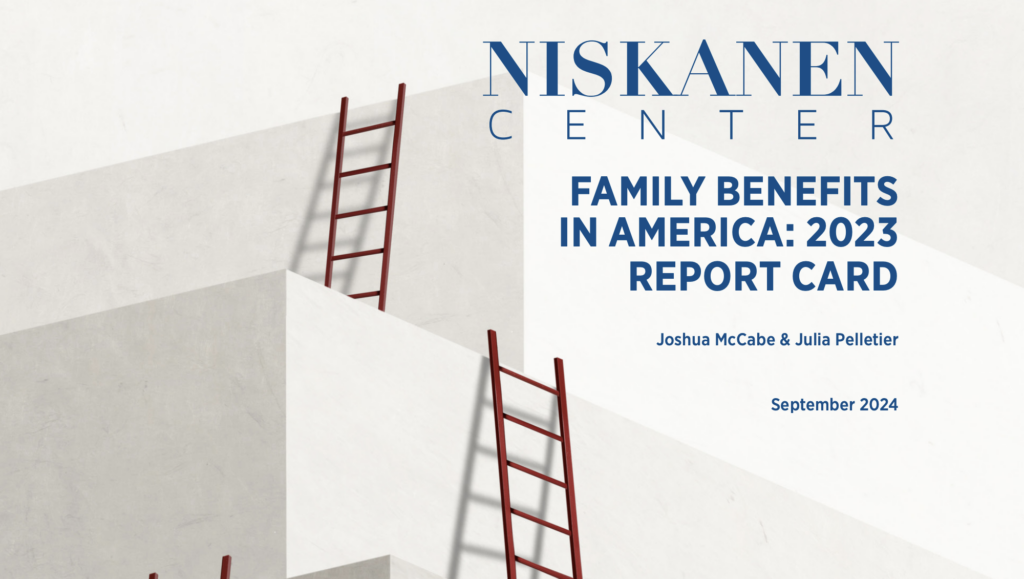
This report calculates the cumulative impact of major benefit programs on two types of families and how their benefits change as they move into the labor market and climb the ladder of upward mobility.
This fact sheet outlines the key principles for designing an effective Child Tax Credit that reduces child poverty, supports working families, promotes racial and economic equity, and delivers long-term benefits for children and the economy.
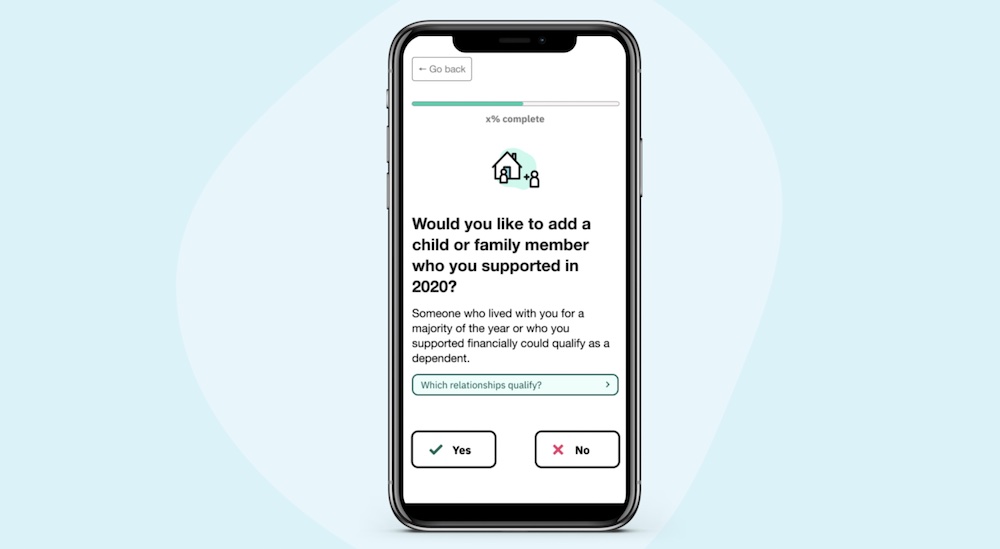
Code for America's GetCTC portal simplifies access to the Child Tax Credit for low-income families by providing a mobile-friendly, bilingual platform for streamlined tax filing.
This report describes key elements of the American Rescue Plan Act and how it would reduce the projected poverty rate for 2021. Various projections regarding the effects of the policy are described in this report.
The IRS is arguably the single most critical benefits administrator in the country, given its responsibility for tax credit-based relief programs, and COVID-19 relief payments. Despite these programs’ incredible progress in reducing poverty, and despite great strides by the IRS to implement them successfully, accessing IRS benefits remains too difficult for many low-income families. This report presents a comprehensive agenda to increase benefit coverage rates, simplify Americans’ interactions with the IRS, and decrease the portion of IRS benefits diverted to third parties.
This landscape analysis examines data, design, technology, and innovation-enabled approaches that make it easier for eligible people to enroll in, and receive, federally-funded social safety net benefits, with a focus on the earliest adaptations during the COVID-19 pandemic.
The Atlanta Fed’s CLIFF tools provide greater transparency to workers about potential public assistance losses when their earnings increase. We find three broad themes in organization-level implementation of the CLIFF tools: identifying the tar- get population of users; integrating the tool into existing operations; and integrating the tool into coaching sessions.
A webinar presenting fresh data on how young adults aged 22 are faring in terms of poverty, employment, education, living arrangements, and access to public benefits.
A brief report on our quantitative research about messages that increase people's take-up of government benefits by making them feel like those benefits belong to them.
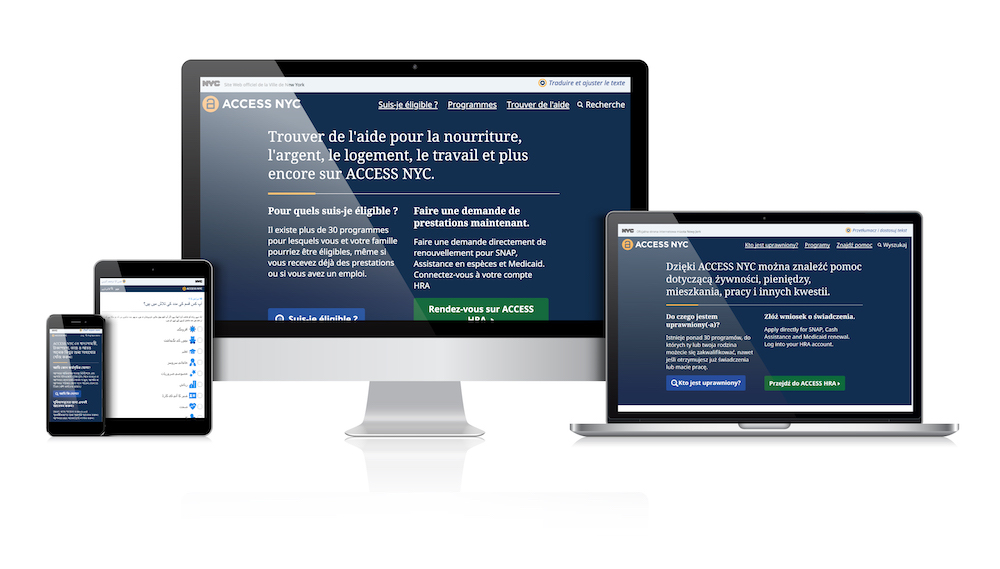
ACCESS NYC is an online public screening tool that residents can use to determine the City, State, and Federal health and human service benefit programs for which they are eligible.