This explores how tax credit systems can be redesigned to better meet the needs of families, especially those facing systemic barriers to filing and receiving benefits.
The Increasing Stimulus Payment Take-up in California report by the California Policy Lab examines barriers to accessing federal stimulus payments and provides strategies to increase take-up among eligible Californians, particularly low-income and non-filers.
This Urban Institute report explores the impact of benefit cliffs, plateaus, and trade-offs on families receiving public assistance, examining how changes in earnings affect access to essential benefits like SNAP, Medicaid, and housing subsidies.
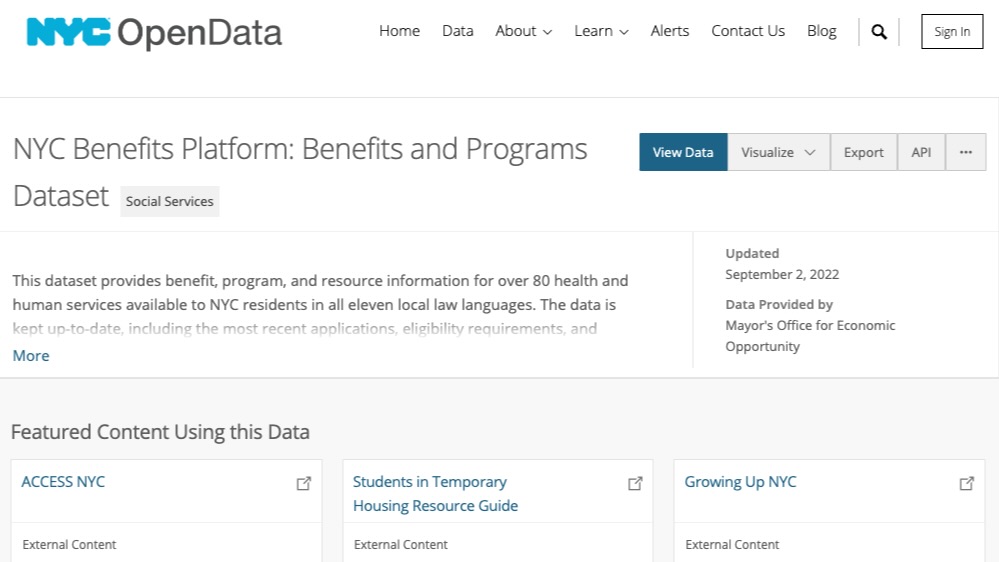
Data provided by the NYC Mayor’s Office for Economic Opportunity regarding benefit, program, and resource information for over 80 health and human services available to NYC residents in all eleven local law languages.
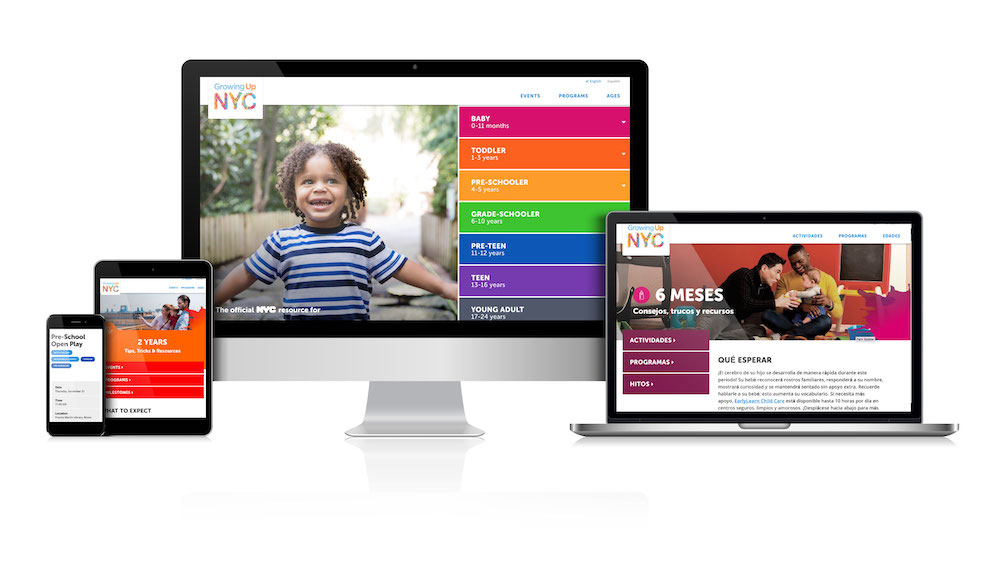
Growing Up NYC is mobile-friendly website that makes it simple for families to learn about and access city programs, as well as services and activities available to New York residents.
This article explores how integrating behavioral science into public administration can improve government effectiveness, equity, and trust by redesigning public services with human behavior in mind.
This guide discusses general characteristics shared by organizations that have successfully created accessible content, and includes case studies that showcase characteristics of successful accessible content teams.
This guide consolidates learning and spotlights principles, insights, and emerging practices to guide municipal leaders and public-private partnerships interested in designing basic income programs that are ethical, equitable, rigorous, informative, and consequential for local, state and national policymaking.