On May 19, 2023, the Digital Benefits Network published a new, open dataset documenting authentication and identity proofing requirements across online SNAP, WIC, TANF, Medicaid, child care (CCAP) applications, and unemployment insurance applications.
The COVID Response Project was funded by the W.K. Kellogg Foundation to document the real-time impacts of the COVID-19 pandemic on state human services agencies and capture state perspectives on lessons learned to guide future federal policymaking and state implementation. The project was completed by the American Public Human Services Association (APHSA) in partnership with the U.S. Department of Health and Human Services, Administration for Children and Families (ACF), Office of Regional Operations. Insights from the report reflect information obtained through APHSA’s on-going support of state human services agencies’ COVID-19 response efforts as well as a series of in-depth interviews with executive leadership of the 14 state health and human services agencies in ACF’s Region 1 (New England) and Region 4 (Southeast) areas.
American Public Human Services Association (APHSA)
This page includes data and observations about authentication and identity proofing steps specifically for online applications that include child care applications.
The Urban Institute's report outlines actionable approaches for state governments and organizations to enhance the accessibility and retention of public benefit programs, focusing on service delivery, policy reforms, and technological advancements.
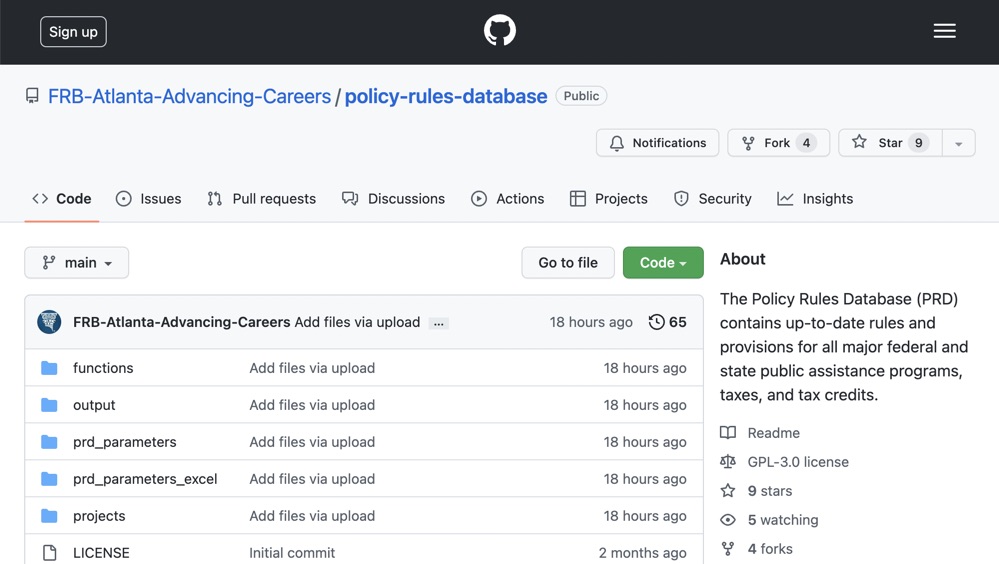
Github repository for Policy Rules Database, which encodes up-to-date rules and provisions for all major federal and state public assistance programs, taxes, and tax credits.
In this report, the U.S. Chamber of Commerce Foundation examines benefits cliffs – the loss of eligibility for public safety-net programs and benefits they provide as income rises above eligibility limits.
This brief examines the treatment of PFML for purposes of state and federal taxation, as well as determining income and eligibility in five means-tested programs.
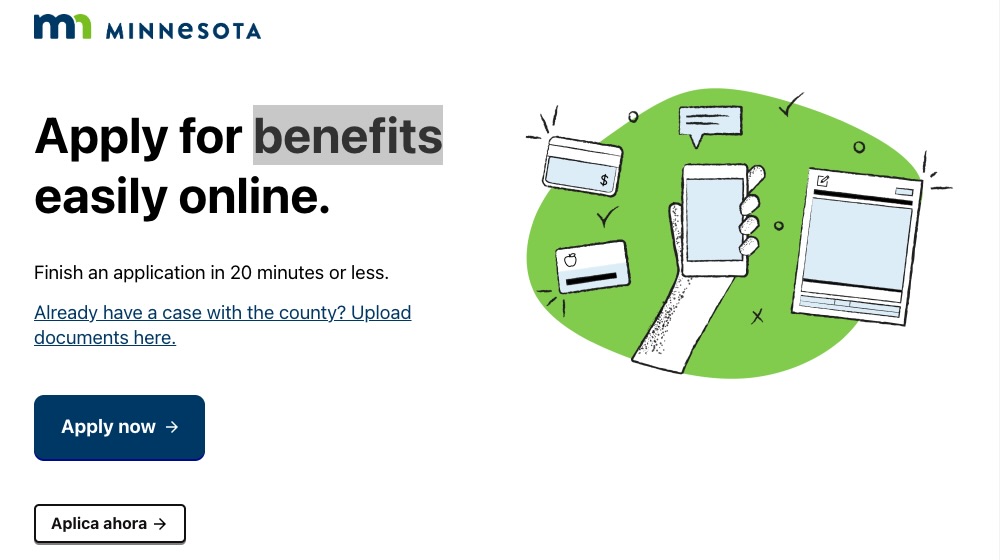
Hennepin County, Minnesota, implemented an online application system for child care assistance, resulting in increased applications, faster benefit distribution, and reduced administrative burdens.