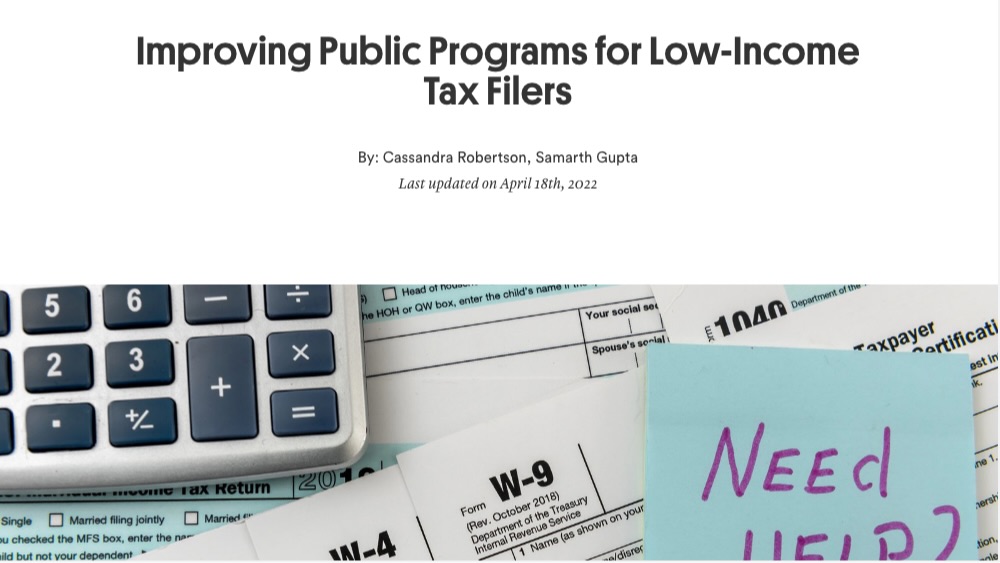
A New America report examines the Volunteer Income Tax Assistance (VITA) program, highlighting its role in aiding low-income tax filers and offering recommendations to enhance public benefit access through improved tax filing assistance.
Usability tests can help teams develop products that are user-centered, accessible, and inclusive. This guide will help you create a robust plan to promote a successful usability test.
Understanding the strengths and weaknesses of the available low-code/no-code tools will help you pick the right tool for the job and balance their sometimes significant weaknesses with their tremendously valuable strengths.
The examples in this guide describe how peer-to-peer training and updated interview scripts can help connect residents to the benefits they are eligible for.
Drawing on the Beeck Center’s research on government, nonprofit, academic, and private sector organizations that are working to improve access to safety net benefits, this report highlights best practices for creating accessible benefits content.
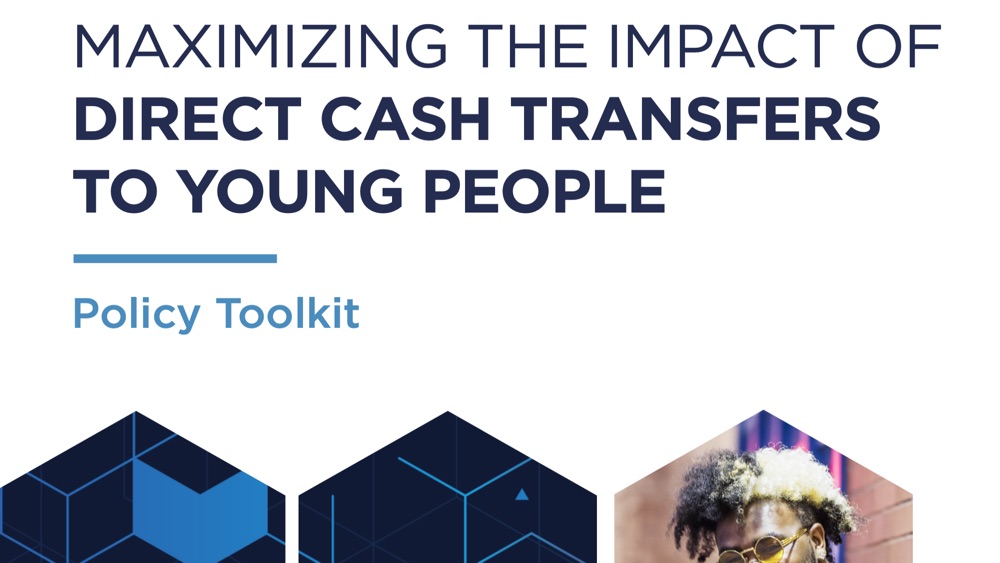
Chapin Hall collaborated with national policy experts, practitioners, and young adults with lived experience of homelessness to create a policy toolkit where tax, public benefits, and educational aid implications for young people participating in Direct Cash Transfer (DCT) programs are laid out in one place.
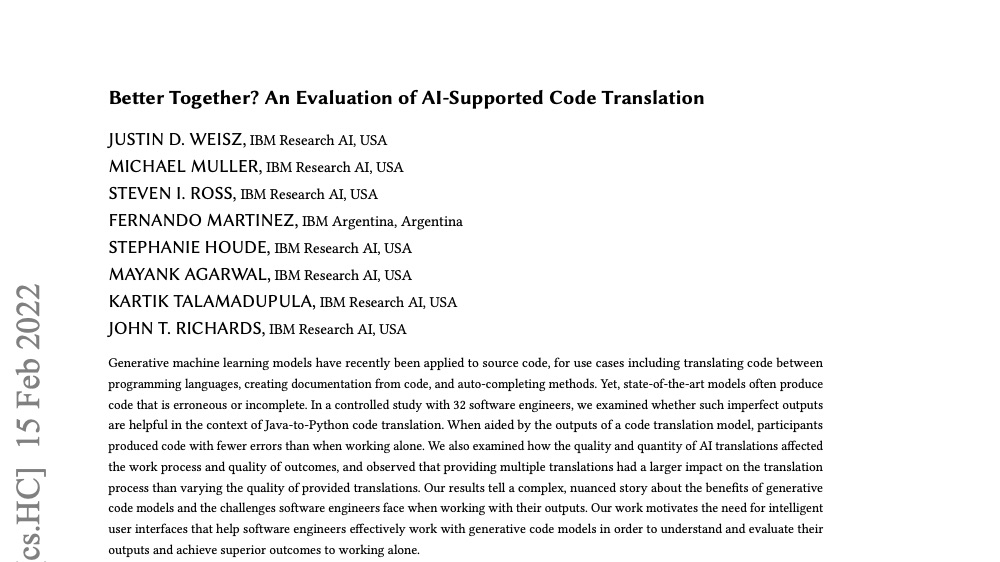
This research explores how software engineers are able to work with generative machine learning models. The results explore the benefits of generative code models and the challenges software engineers face when working with their outputs. The authors also argue for the need for intelligent user interfaces that help software engineers effectively work with generative code models.
This article advises government agencies to prioritize cybersecurity methods over AI-driven approaches when combating identity fraud in benefits programs, highlighting potential risks that automated systems pose to legitimate applicants.