This article reviews two examples of how Nava has used open-source technologies to bring human-centered testing practices to government services software.
The Electronic Privacy Information Center (EPIC) emphasizes the necessity of adopting broad regulatory definitions for automated decision-making systems (ADS) to ensure comprehensive oversight and protection against potential harms.
Inclusive design means making design choices that take into account personal identifiers like ability, race, economic status, language, age, and gender. This resource walks folks through an introduction to inclusive design, focusing on accessibility and equity.
This primer introduces two foundational software types that can support organizations that are committed to accessible benefits information: content management systems (CMS) and application program interfaces (APIs).
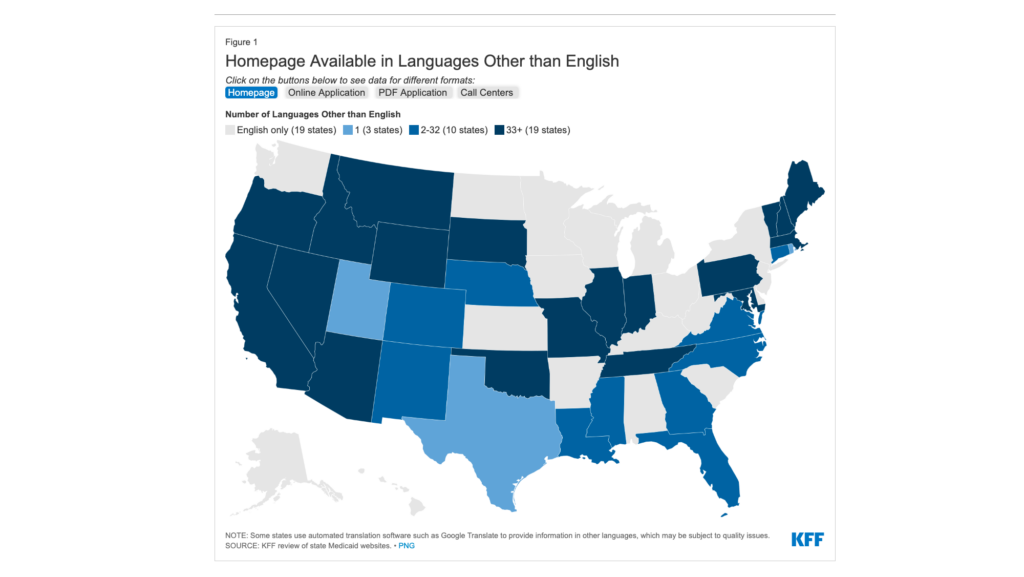
While most states provide basic digital accessibility, this review warns that persistent gaps in language services and disability accommodations create significant barriers for enrollees as pandemic-era Medicaid protections expire.
Usability tests can help teams develop products that are user-centered, accessible, and inclusive. This guide will help you conduct a successful usability test, from coordinating with participants to analyzing your findings.