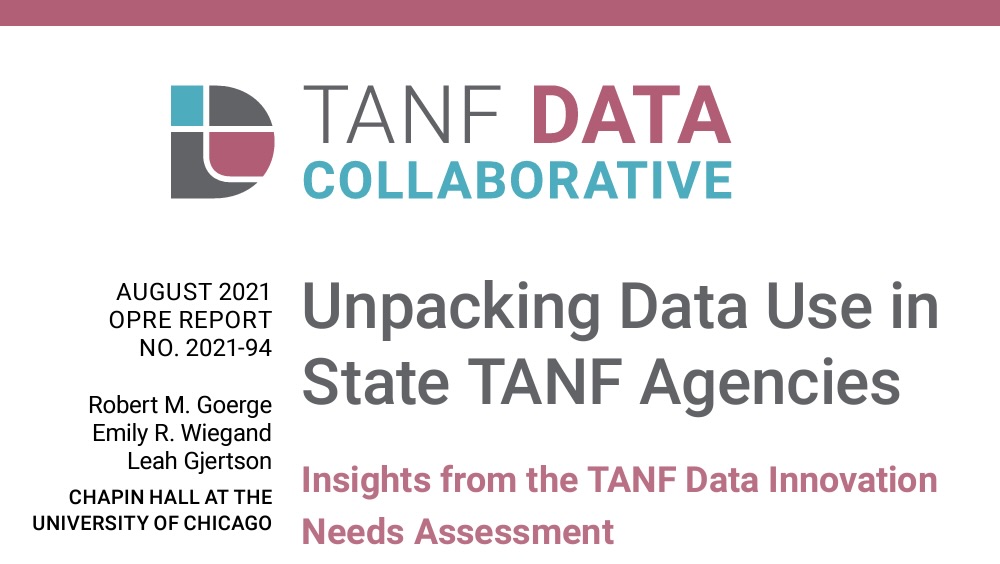
Policymakers, program administrators, federal leaders, researchers, and advocates are increasingly focused on using administrative data to build evidence for improving government programs. Achieving this goal requires accessible data sources and the capacity to use them, yet stakeholders have little information about the baseline level of state capacity in these areas. How does one measure concepts such as “effective data use” and “analytic capacity?” This brief reports findings from a pioneering and comprehensive needs assessment that examined the capacity of Temporary Assistance for Needy Families (TANF) programs in 54 U.S. states and territories to analyze data used for program improvement, monitoring, and evidence-building. The needs assessment provides a foundation for technical assistance and continued improvement for the TANF program and may also provide valuable insights and frameworks for other state-administered human services programs.
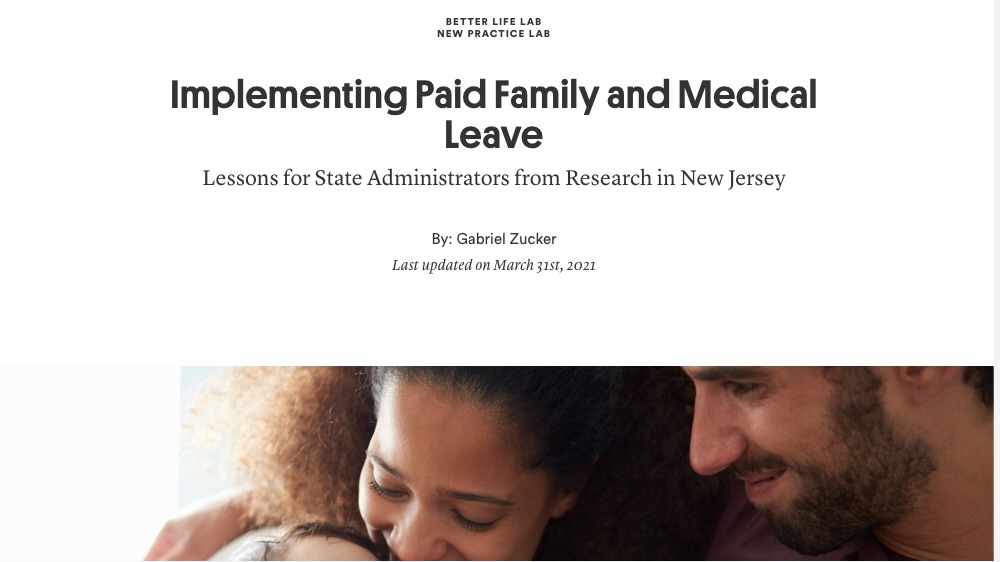
The "Implementing Paid Family and Medical Leave" report examines New Jersey's experience with paid leave programs, offering insights and recommendations for effective policy design and implementation.
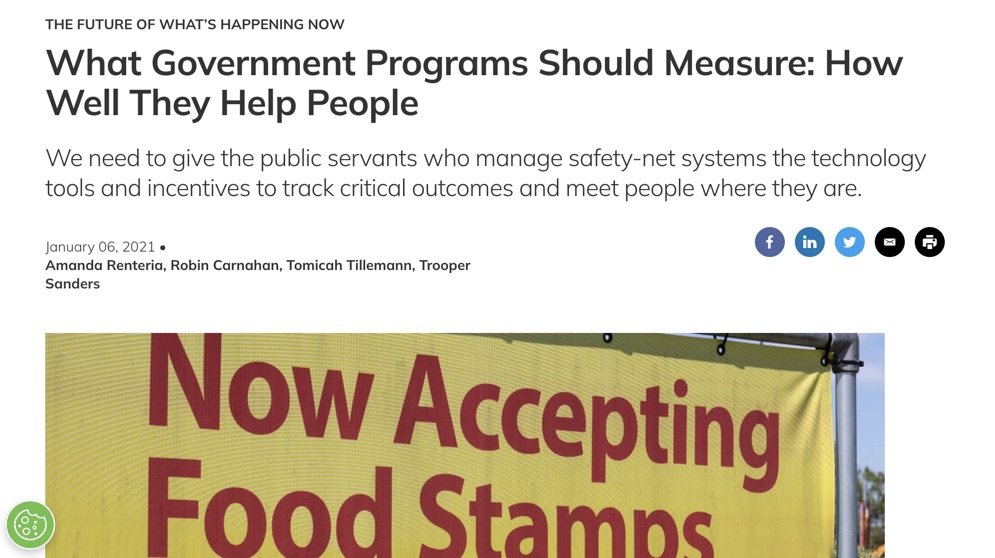
It is necessary give the public servants who manage safety-net systems the technology tools and incentives to track critical outcomes and meet people where they are.
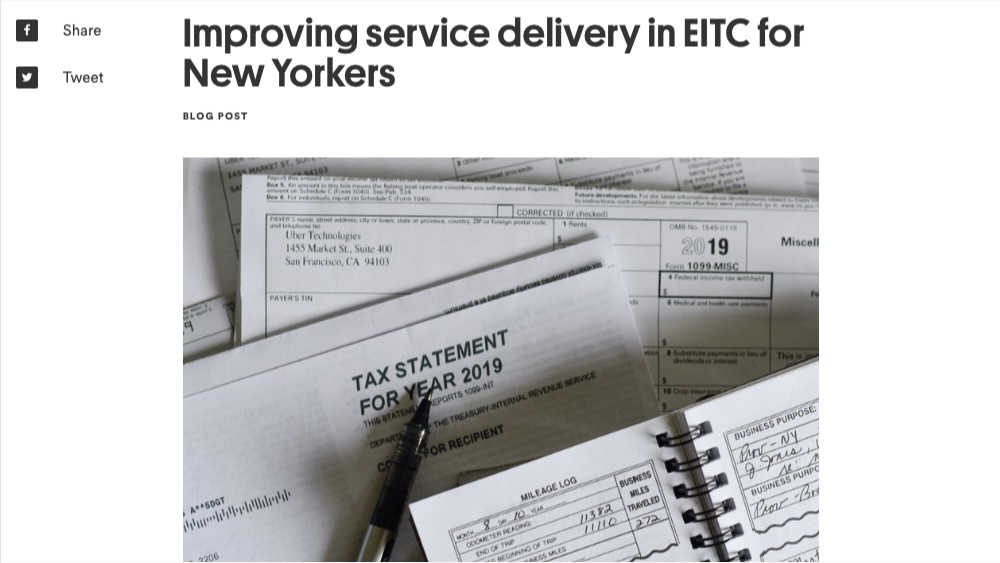
The Improving Service Delivery in EITC for New Yorkers initiative explores ways to enhance access to the Earned Income Tax Credit (EITC) through improved outreach, application processes, and service delivery.
The report discusses how state Medicaid agencies can enhance efficiency and maintain coverage for eligible individuals by implementing ex parte renewals, which automatically renew beneficiaries' coverage using existing data without requiring action from enrollees.
Based on state agency survey responses, this report summarizes key findings from the first calendar year of pandemic response and provides policy considerations for the future of SNAP.
American Public Human Services Association (APHSA)
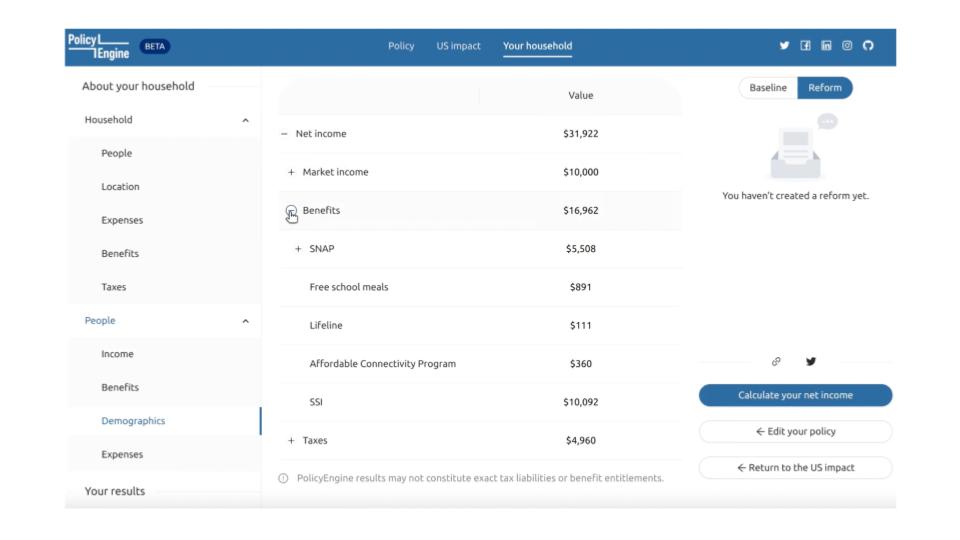
PolicyEngine is a nonprofit that provides a free, open-source web app enabling users in the US and UK to estimate taxes and benefits at the household level, while also simulating the effects of policy changes. By combining tax and benefits data, PolicyEngine helps individuals and policymakers better understand the impacts of existing policies and proposed reforms, using microsimulation models built from legislation and enhanced survey data.
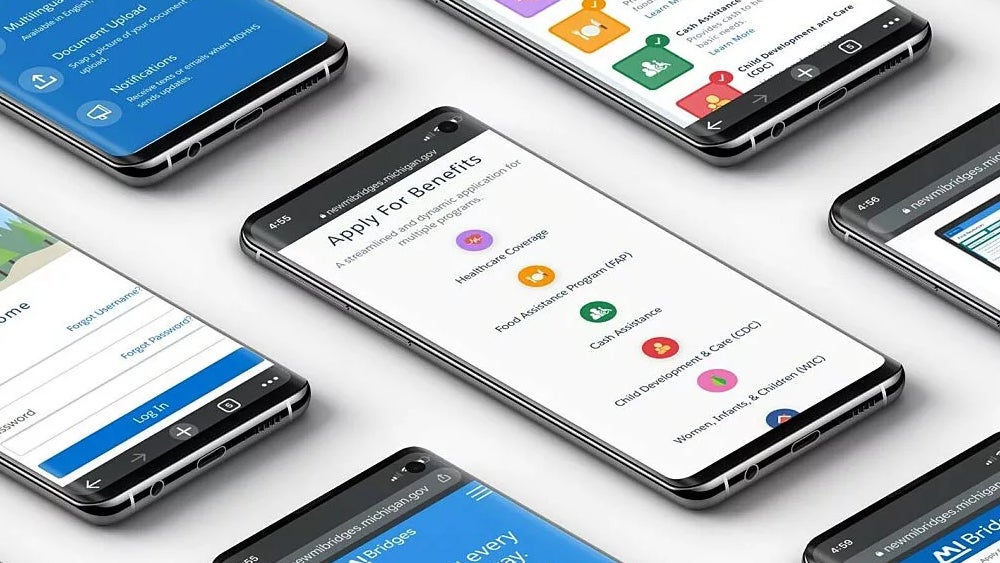
This case study documents how Civilla partnered with the Michigan Department of Health and Human Services (MDHHS) to redesign and modernize online enrollment for the state’s largest benefit programs.
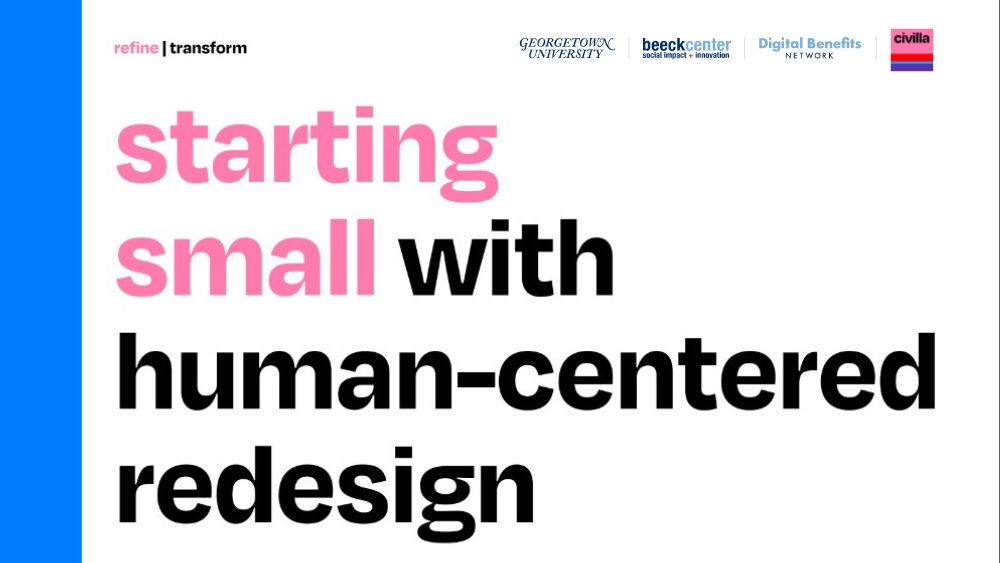
This guide highlights approachable ideas for state and local public benefits agencies to improve applications, renewals, and correspondence. As outlined in this resource, even small improvements can be transformative for residents and caseworkers alike.
The US General Services Administration announces that it is seeking a limited number of state and local government partners to take advantage of login.gov to administer their federally funded programs.