This internal glossary defines key terms and concepts related to automating enrollment proofs for public benefits programs to support shared understanding among product and policy teams.
This case study details the development of a document extraction prototype to streamline benefits application processing through automated data capture and classification.
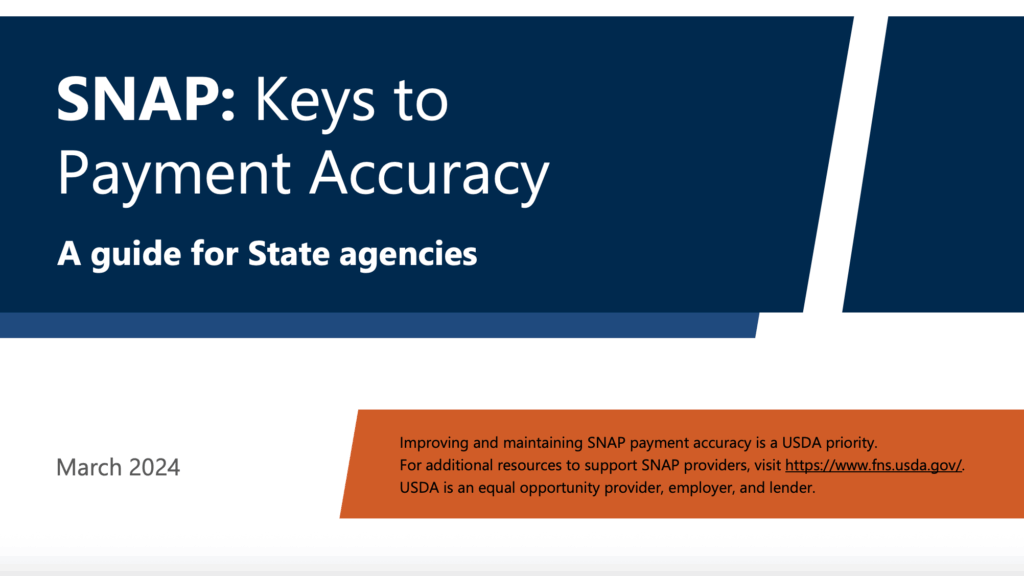
This guide outlines key strategies, definitions, and procedures for improving SNAP payment accuracy and reducing quality control (QC) error rates across states.
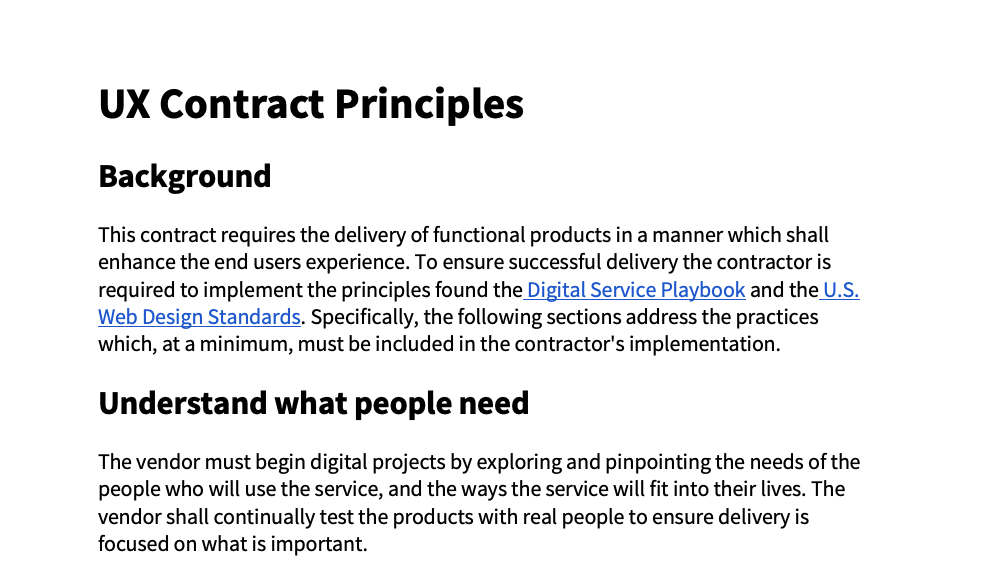
A set of contract-ready principles and requirements that define how vendors must deliver user-centered, accessible, and data-informed digital services.
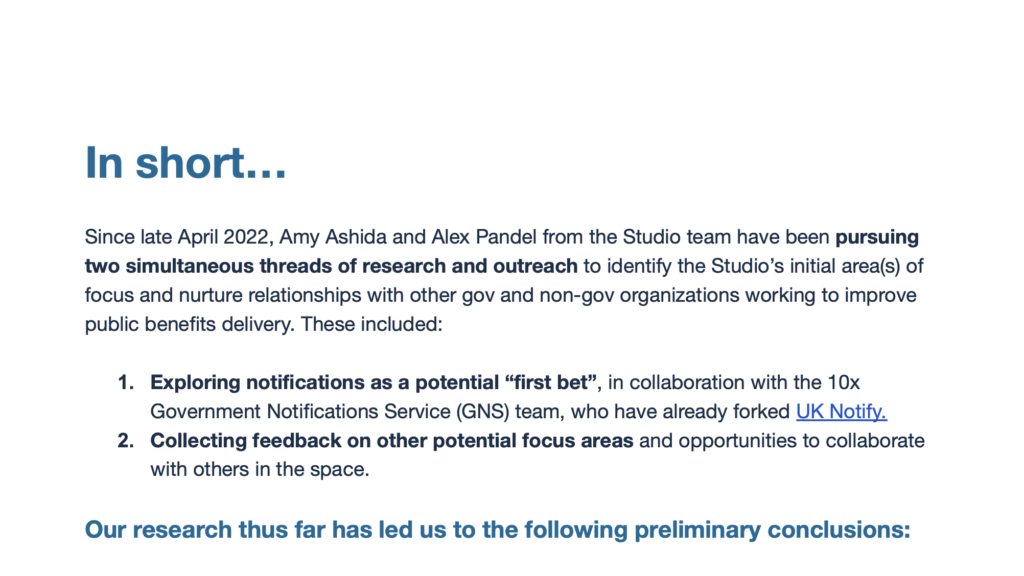
A research snapshot summarizing early findings from outreach and discovery work to identify high-impact opportunities for improving public benefits delivery, with an initial focus on notifications.
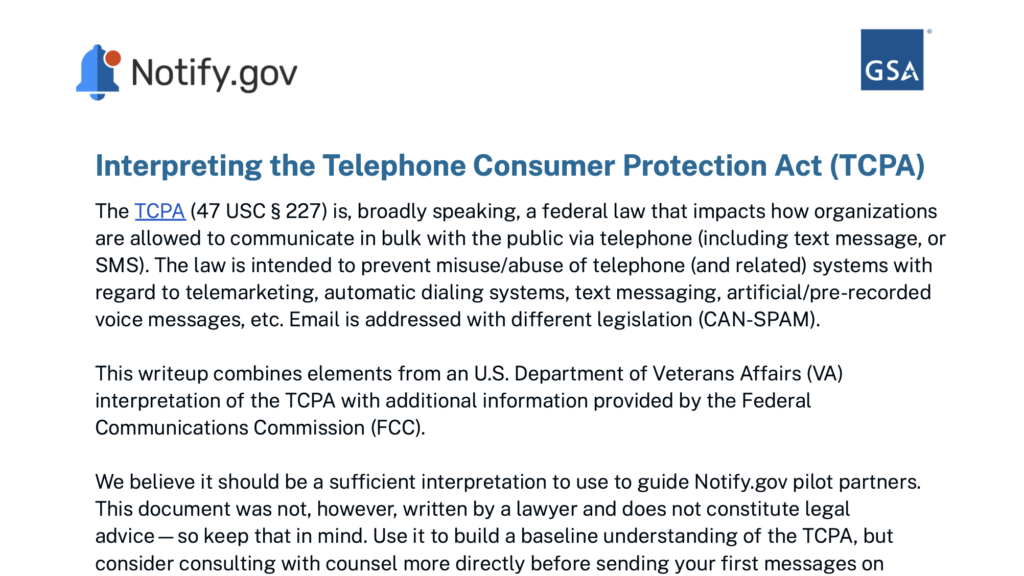
A plain-language overview explaining how federal law regulates automated calls and text messages to the public, including when consent is required and who is exempt.
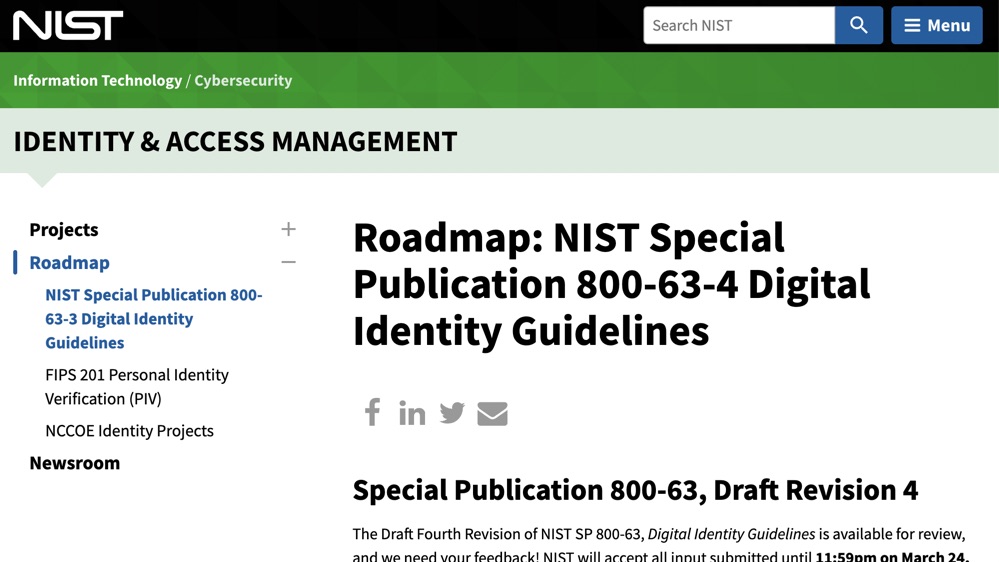
Revision 4 of the National Institute of Standards and Technology (NIST) Special Publication 800-63, Digital Identity Guidelines, responds to the changing digital landscape that has emerged since the last major revision of this suite was published in 2017.
The Technology Transformation Service at GSA recently created a new Public Benefits Studio to focus on fostering a more cohesive, coordinated experience for the public, across programs.