The Digital Service Network (DSN) spoke with Boston’s new Chief People Officer, Alex Lawrence, to understand how the City is transforming its approach to people management.
The Digital Service Network (DSN) spoke with Chief Digital Officer (CDO) Julia Gutiérrez of the Digital Services (DS) Team in the Department of Innovation and Technology (DoIT) and Chief Mariangely Solís Cervera of Boston’s Equity and Inclusion Cabinet.
Best practices for procuring and developing accessible tools that utilize artificial intelligence (AI) and how to ensure that they are in compliance with the Web Content Accessibility Guidelines (WCAG) 2.1 Level A and Level AA.
The Commonwealth of Massachusetts Executive Office of Technology Services and Security (EOTSS)
This annual report details Massachusetts' strategic advancements in digital transformation, cybersecurity, and data services, emphasizing modernization efforts and enhanced constituent engagement.
The Commonwealth of Massachusetts Executive Office of Technology Services and Security (EOTSS)
Led by the Digital Benefits Network in partnership with Public Policy Lab, the Digital Doorways research project amplifies the lived experiences of beneficiaries to provide new insights into people’s experiences with digital identity processes and technology in public benefits. This report details the project’s findings, directly highlighting the voices of beneficiaries through videos and photos.
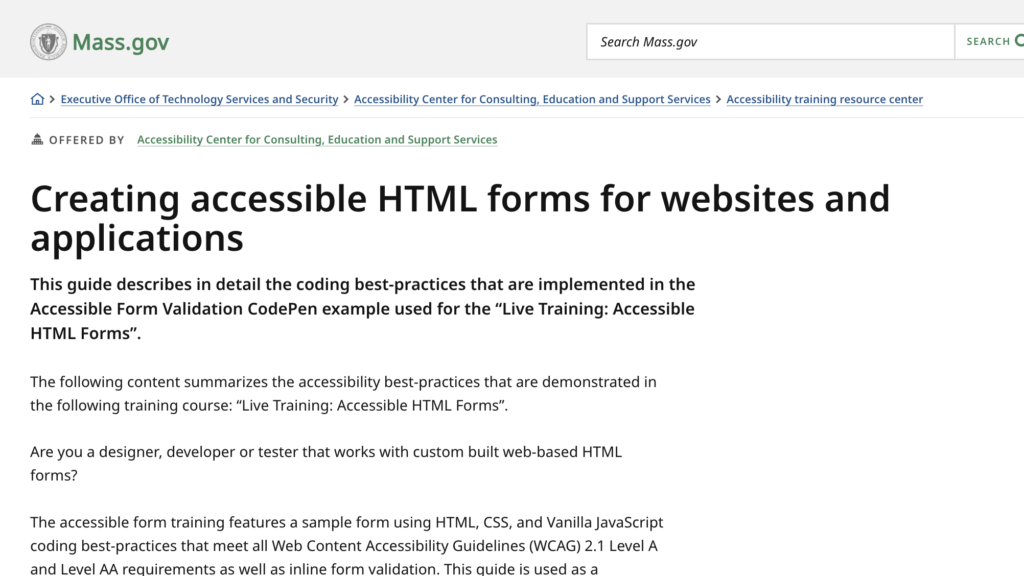
A practical guidance document that explains how to design, code, and test HTML web forms so they are accessible to all users, including people with disabilities.
This blog summarizes an event exploring how the City of Boston and Washington State are designing and implementing Single Sign-On (SSO) systems to simplify access to government services.
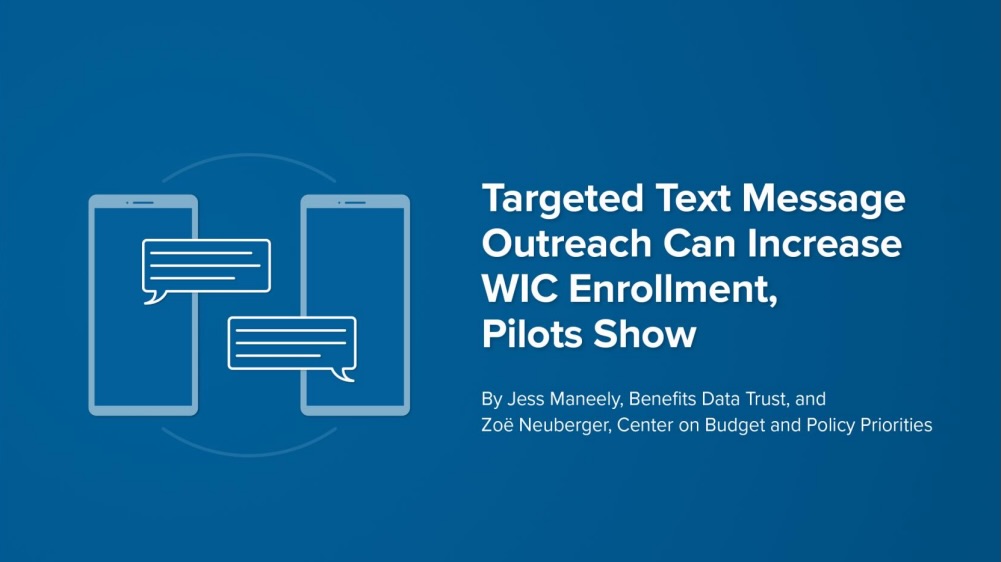
WIC enrollment has declined over the last decade, preventing millions of eligible low-income individuals from accessing its benefits. This report examines state WIC outreach pilots and discusses the effectiveness of text message outreach and key considerations when developing and launching targeted text outreach campaigns.
The Department of Innovation and Technology of the City of Boston enables its workforce to deliver a better government for every constituent. Technology and innovation enable equity, effectiveness, and efficiency.
The report examines pilot projects in multiple states that utilized data matching and targeted outreach to enroll eligible families with young children in the WIC program, demonstrating the effectiveness of this approach in increasing participation rates.
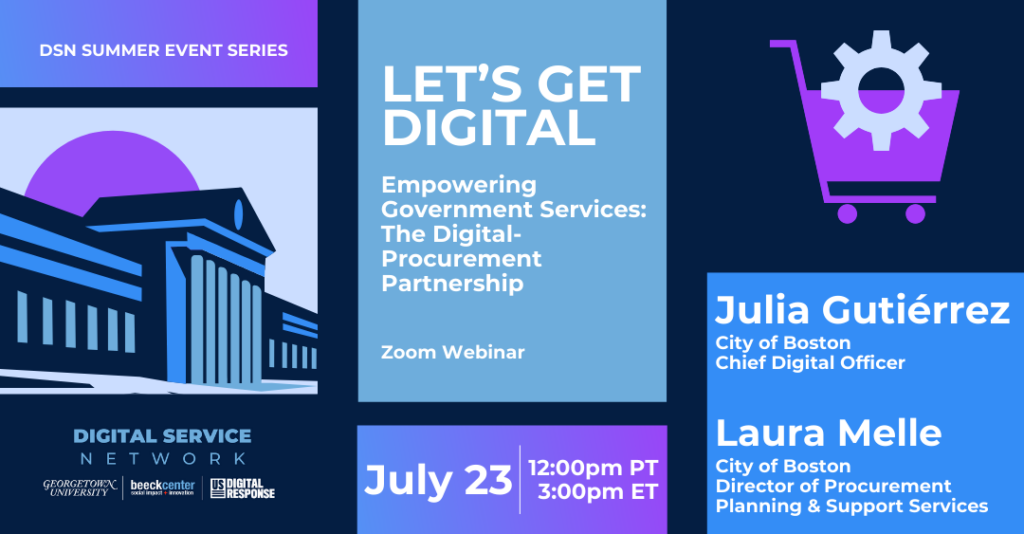
The second event in the Digital Service Network’s summer event series, Let’s Get Digital, focused on the City of Boston’s transformative journey to streamline its procurement processes.
This report provides guidance on building equitable and user-friendly affordable housing portals, highlighting best practices from platforms like Bloom Housing and Housing Navigator MA.