On July 16, members of the Digital Identity Community of practice gathered to learn how peers are gathering beneficiary feedback on their experiences with accounts and proving their identity.
Design systems are a foundational component of good government digital service delivery. This publication explores why design systems matter and includes a tracker of centralized design systems across U.S. states.
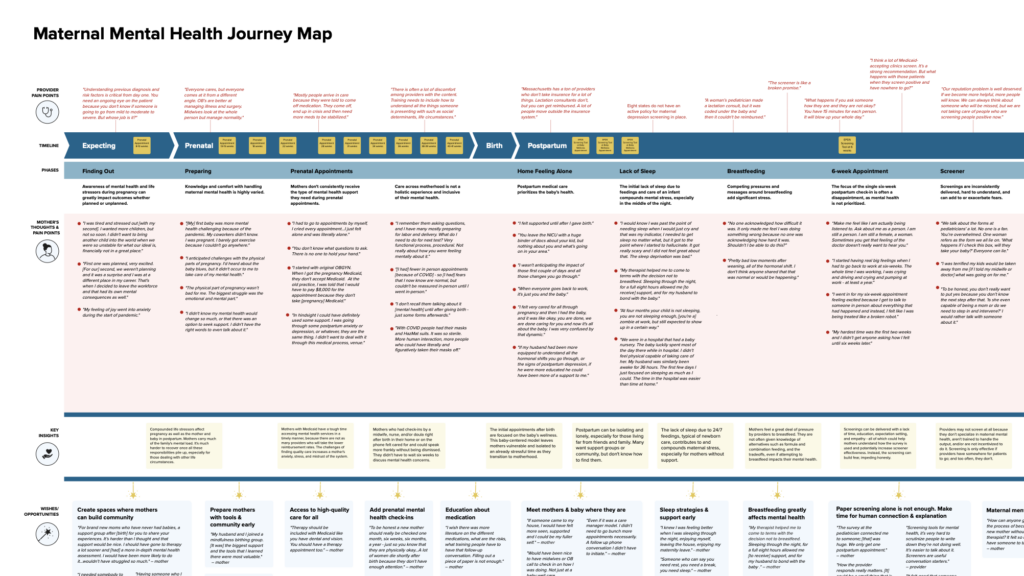
This research visualizes the complex emotional and clinical stages of the maternal mental health experience, from initial pregnancy through postpartum recovery and the return to work.
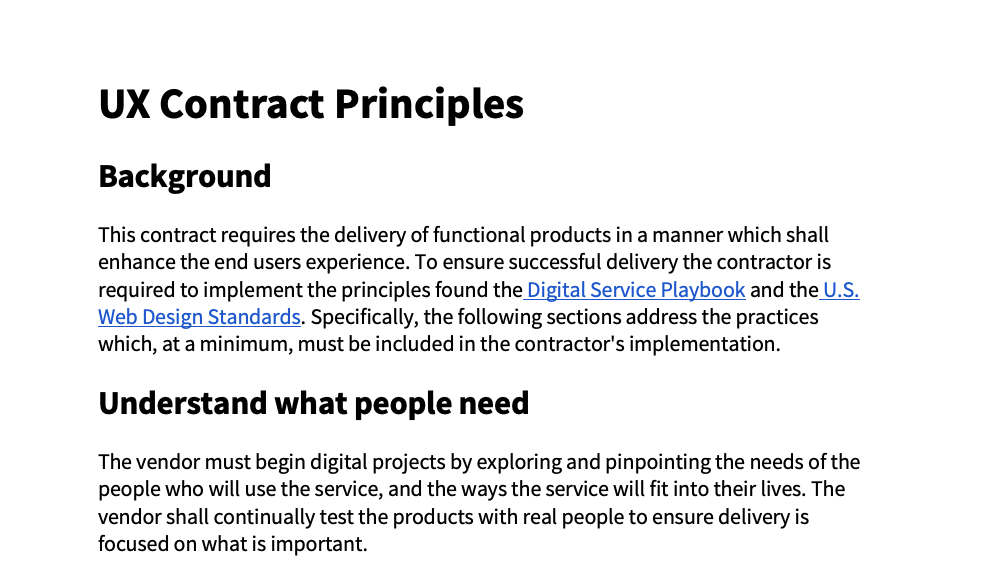
A set of contract-ready principles and requirements that define how vendors must deliver user-centered, accessible, and data-informed digital services.
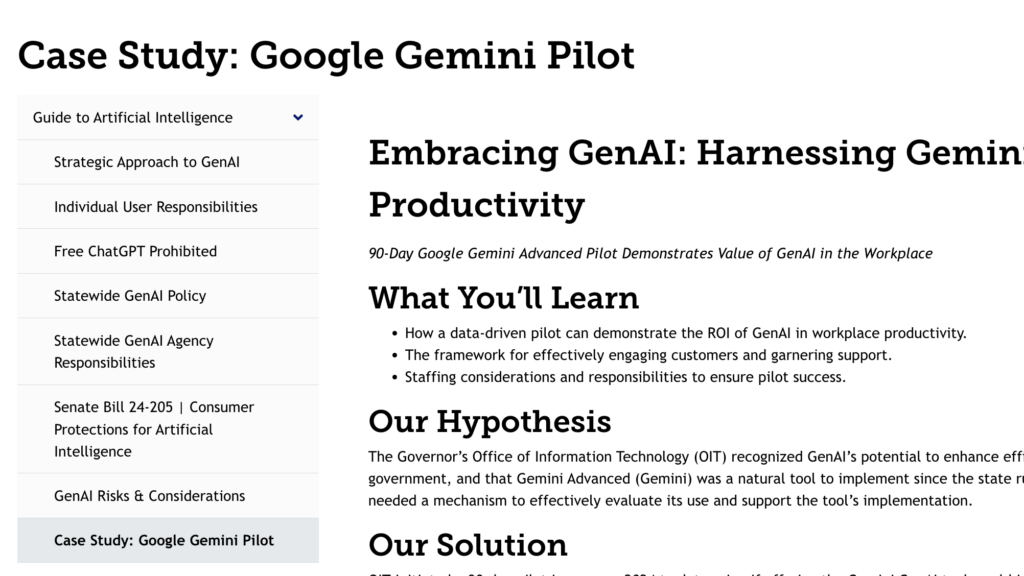
A case study describing how a 90-day generative AI (GenAI) pilot using Google’s Gemini tool was conducted across state agencies to assess productivity, creativity, and responsible use in government work.
Colorado Governor's Office of Information Technology (OIT)
Usability testing offers the opportunity to observe and learn from real users, enabling governments to iterate design to meet user needs. In this session Rua Williams, Assistant Professor in the School of Applied and Creative Computing from Purdue University, shared more about their research and practical steps government practitioners can take to conduct more inclusive and ethical usability testing. Attendees discussed partnering with disabled users in ways that are respectful, effective, and sustainable.
The UX Lead in the Data Strategy & Analytics division will be responsible for maintaining a user-centric focus throughout product development and creating a positive end user experience for a set of educational data and technology projects across multiple teams and will provide expertise and support to other agency initiatives.
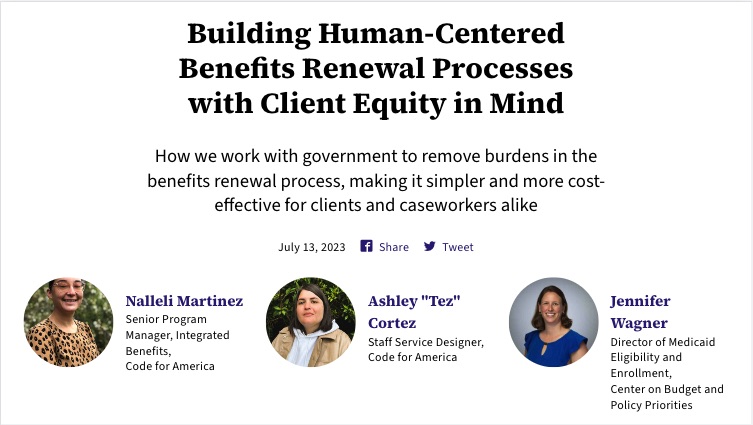
The Building Human-Centered Benefits Renewal Processes with Client Equity in Mind article by Code for America discusses the implementation of ex parte renewals in Minnesota's Medicaid program to streamline benefit renewals for aged, blind, and disabled populations, reducing administrative burdens and enhancing equity.
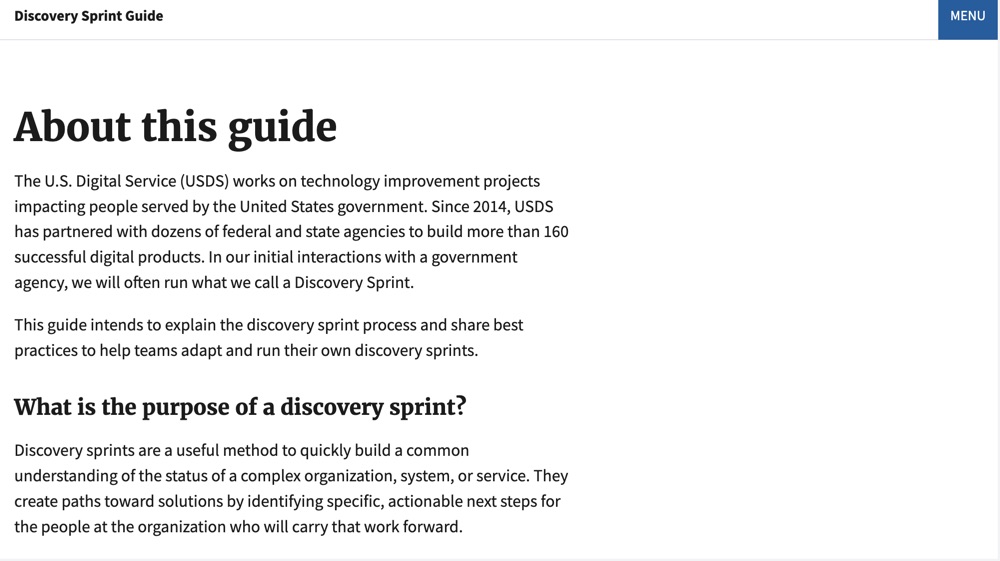
This guide explains the U.S. Digital Service’s “discovery sprint,” a process by which teams can quickly build a common understanding of the status of complex organization, system, or service.
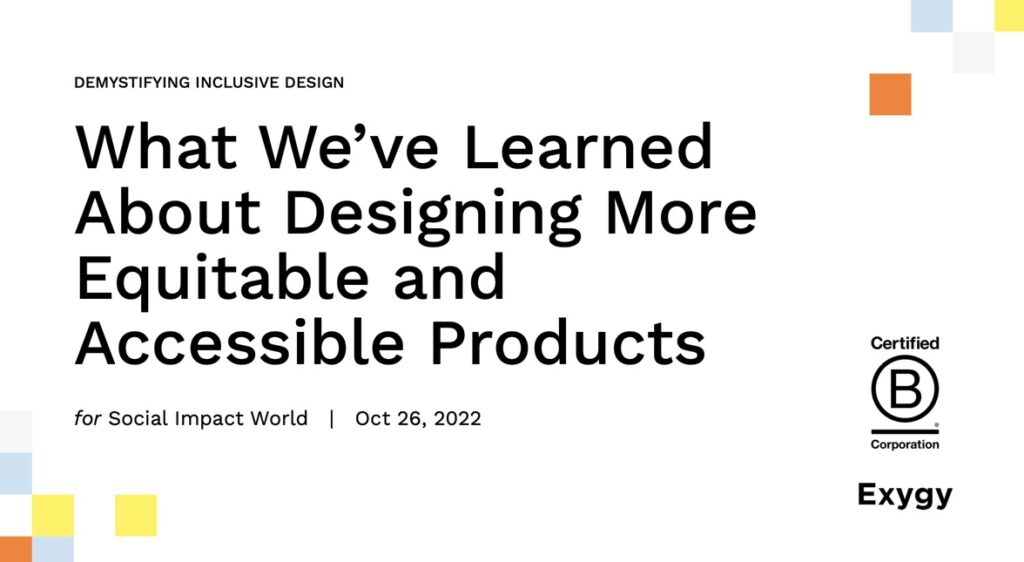
Inclusive design means making design choices that take into account personal identifiers like ability, race, economic status, language, age, and gender. This resource walks folks through an introduction to inclusive design, focusing on accessibility and equity.